
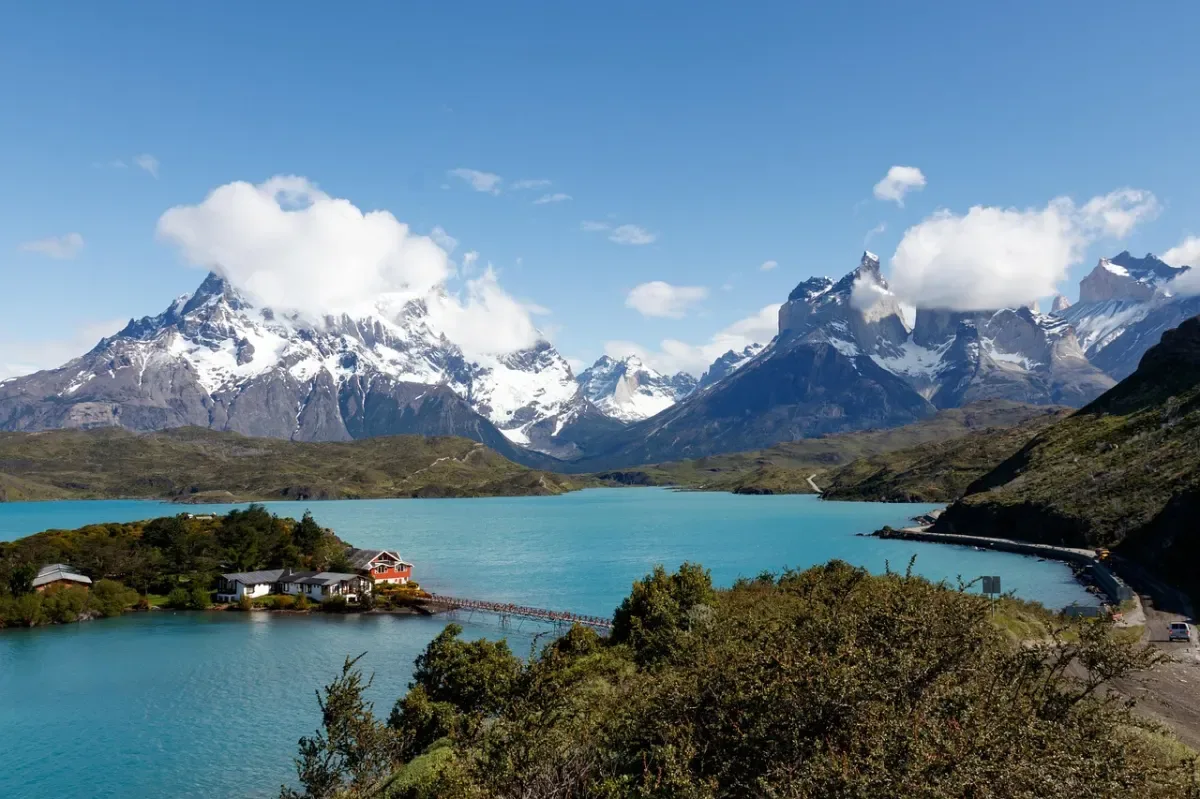
Patagonia sits at the southern tip of South America, a vast wilderness of jagged granite peaks, turquoise glacial lakes, ancient forests and some of the most dramatic landscapes on Earth. For hikers and trekkers, it is nothing short of paradise. The crown jewel of Patagonian trekking is Torres del Paine National Park in Chile, but the region offers far more than a single park. From Argentina's Los Glaciares to the remote trails of Tierra del Fuego, Patagonia rewards those willing to lace up their boots and venture into the wild.
Understanding Patagonia: Chile vs Argentina
Patagonia is split between two countries. The Chilean side is home to Torres del Paine, while the Argentine side boasts El Chalten, Perito Moreno Glacier and Los Glaciares National Park. Many trekkers visit both sides on a single trip, as the border crossings are straightforward and the landscapes complement each other beautifully.
The trekking season runs from October through April, with December through February being peak summer. Shoulder months (October, November, March, April) offer fewer crowds but more unpredictable weather. Patagonia is famous for its fierce winds, which can gust over 100 km/h even in summer, so come prepared.
Torres del Paine: The W Trek
The W Trek is the most popular route in Torres del Paine and one of the most iconic multi day hikes in the world. Named for the W shape it traces across the park, the trek typically takes four to five days and covers approximately 80 kilometers.
Day by Day Breakdown
- Day 1: Las Torres Base. The most strenuous day begins at Hotel Las Torres and climbs steeply to the base of the three granite towers. The final hour scrambles over a boulder field before revealing the towers reflected in an emerald glacial lake. This single view makes the entire trip worthwhile.
- Day 2: Los Cuernos to Frances Valley. A scenic trail hugs the shoreline of Lake Nordenskjold with the dramatic Cuernos del Paine (Horns of Paine) towering above.
- Day 3: Frances Valley. An out and back hike into the French Valley, surrounded by hanging glaciers and granite walls. On clear days, the panorama from the Britanico viewpoint is staggering.
- Day 4: Grey Glacier. The final arm of the W leads to the face of Grey Glacier, where massive icebergs calve into the milky turquoise lake. Some companies offer ice hiking excursions on the glacier itself.
Difficulty: Moderate to challenging. You need reasonable fitness but no technical climbing skills. The trails are well marked but can be muddy, windy and exposed.
Torres del Paine: The O Circuit
For those wanting a deeper wilderness experience, the O Circuit extends the W Trek into a full loop around the Paine massif, adding three to four days and approximately 50 more kilometers. The back section of the O passes through remote valleys, crosses the John Gardner Pass (the highest point at 1,241 meters) and offers a jaw dropping viewpoint over Grey Glacier from above.
The O Circuit must be hiked counterclockwise and requires camping at designated sites, most of which need to be booked months in advance. This is a serious trek requiring good gear and experience with multi day backcountry hiking.
Permits and Reservations
Booking early is essential. Torres del Paine requires reservations for all campsites and refugios (mountain lodges) along the W and O treks. During peak season, popular sites can sell out six months or more in advance. Reservations open in batches, typically starting in June or July for the following season.
Park entrance fees as of 2026 are approximately $40 USD for foreign visitors. You can enter with a multi day pass that covers your entire trekking period.
El Chalten: Argentina's Trekking Capital
Across the border in Argentina, the small mountain town of El Chalten is a trekker's dream. Unlike Torres del Paine, most of the best hikes here are free day hikes that start right from town, requiring no permits or reservations.
Top Hikes From El Chalten
- Laguna de los Tres: A challenging 25 km round trip hike to the base of Mount Fitz Roy, culminating in a heart stopping reveal of the iconic peak reflected in a glacial lake. This is the single best day hike in Patagonia.
- Laguna Torre: A gentler 18 km round trip trail leading to a lake at the foot of Cerro Torre, one of the most technically difficult peaks in the world to climb.
- Loma del Pliegue Tumbado: A less crowded trail offering panoramic views of both Fitz Roy and Cerro Torre from a high ridge.
El Chalten has excellent hostels, restaurants and gear shops, making it easy to base yourself here for several days of hiking.
Perito Moreno Glacier
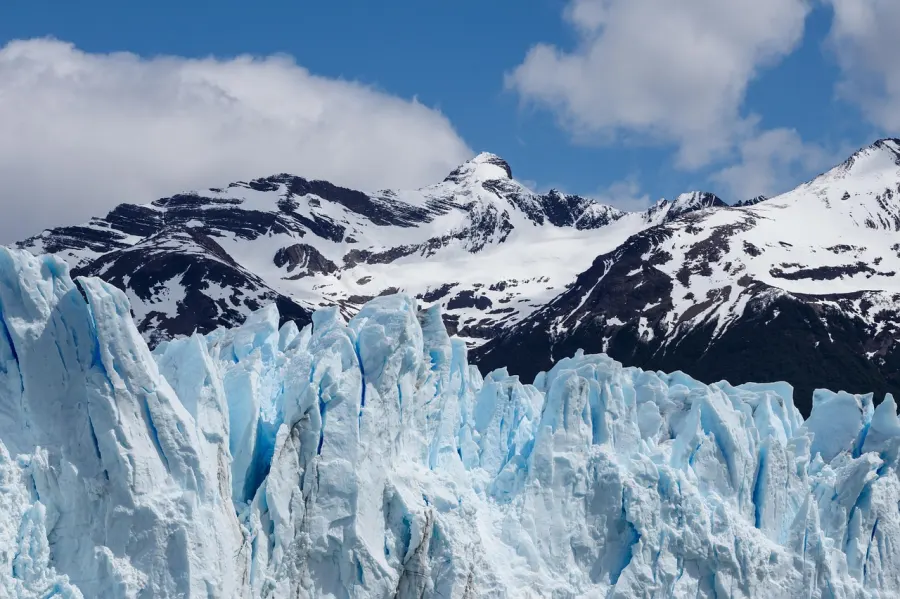
No trip to Argentine Patagonia is complete without visiting Perito Moreno Glacier near El Calafate. This massive glacier is one of the few in the world that is still advancing, and watching house sized chunks of ice calve into the lake with thunderous cracks is an unforgettable experience.
You can view the glacier from extensive boardwalks or book a boat tour or ice trekking excursion to walk on the glacier itself.
Essential Gear for Patagonia Trekking
Patagonia's weather is famously unpredictable. You can experience all four seasons in a single day. Pack accordingly:
- Layering system: Merino wool base layer, fleece or down mid layer, waterproof and windproof outer shell
- Waterproof hiking boots that are broken in before your trip
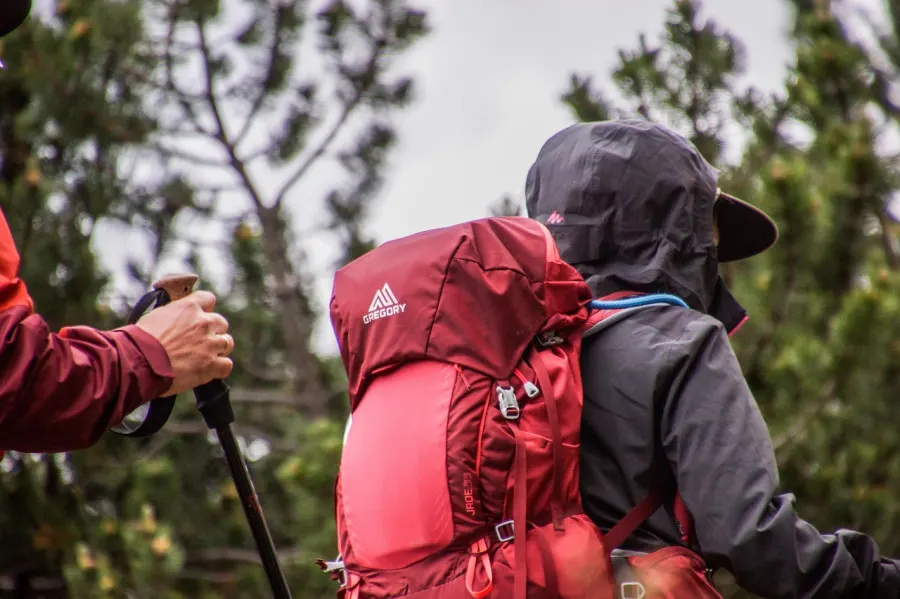
- Trekking poles: Essential for stability on uneven terrain and stream crossings
- Wind resistant backpack cover and dry bags for electronics and clothing
- Sun protection: The ozone layer is thinner at these latitudes. Bring SPF 50, sunglasses and a hat
- Sleeping bag rated to at least minus 5 Celsius for camping
- Camp stove and fuel (only approved stoves allowed in Torres del Paine)
Getting There and Getting Around
Most travelers fly into Punta Arenas or Puerto Natales on the Chilean side, or El Calafate on the Argentine side. From Puerto Natales, it is a 90 minute drive to Torres del Paine. From El Calafate, El Chalten is approximately 3.5 hours by bus.
Regular bus services connect the major towns, and many travelers rent cars for flexibility. Border crossings between Chile and Argentina are straightforward but can add several hours to your journey.
Budget Considerations
Patagonia is not a budget destination, but it does not have to break the bank either:
- Camping is the most affordable option, with basic campsite fees ranging from $10 to $30 per night
- Refugios (mountain huts) with meals cost $80 to $150 per night
- Guided treks with all gear, food and logistics included run $1,500 to $3,000 for the W Trek
- Food in El Chalten and Puerto Natales is moderately priced, with meals ranging from $10 to $25
Beyond the Big Names: Lesser Known Patagonia Treks
If you have extra time, consider these off the beaten path options:
- Dientes de Navarino: The southernmost trek in the world, on Isla Navarino near Cape Horn. Wild, remote and stunning.
- Huemul Circuit: A challenging four day loop near El Chalten involving river crossings and basic navigation skills. Not for beginners.
- Carretera Austral: Not a trek but a legendary road trip through Chilean Patagonia, passing volcanoes, fjords and turquoise rivers.
Final Thoughts
Trekking in Patagonia is a bucket list experience that lives up to every ounce of hype. The landscapes are genuinely otherworldly, the sense of wilderness is profound and the physical challenge makes the rewards all the sweeter. Book your campsites early, prepare for wild weather, pack your best camera and get ready for some of the most spectacular hiking on the planet.
For guided trekking experiences in Patagonia and South America, explore adventure tours on Viator.
For the best guided tours and travel experiences worldwide, browse top-rated activities on Viator.
What to Pack for Patagonia Trekking
Patagonia's weather is notoriously unpredictable, so layering is everything. Start with a moisture-wicking base layer, add a fleece or down mid-layer, and top it with a waterproof, windproof shell jacket. Wind speeds in Torres del Paine can reach 100 km/h, so a jacket with a sturdy hood and sealed seams is non-negotiable.
For footwear, invest in waterproof hiking boots that you have already broken in before the trip. Trail conditions range from dry gravel to muddy bogs, and river crossings are common on multi-day routes. Bring gaiters to keep debris out of your boots and trekking poles to ease the strain on steep descents.
Other essentials include a 30-liter daypack with a rain cover, a high-SPF sunscreen (the ozone layer is thinner this far south), polarized sunglasses, and a buff or balaclava for windy passes. If you are camping, a four-season tent rated for high winds is a must.
Best Time to Trek Patagonia
The trekking season runs from October through April, with December to February being the warmest months. January sees the longest daylight hours, giving you up to 17 hours of light for hiking. However, this is also peak season, so refugios (mountain huts) and campsites book up months in advance. For fewer crowds, consider November or March, when the weather is still manageable and the trails are quieter.
If Patagonia's rugged trails inspire you, our Canadian Rockies hiking guide offers a similar mountain experience in the Northern Hemisphere. And for a completely different trekking adventure, our Inca Trail to Machu Picchu guide covers everything from permits to altitude preparation for one of the world's most iconic walks.


Comments (0)
Leave a Comment