
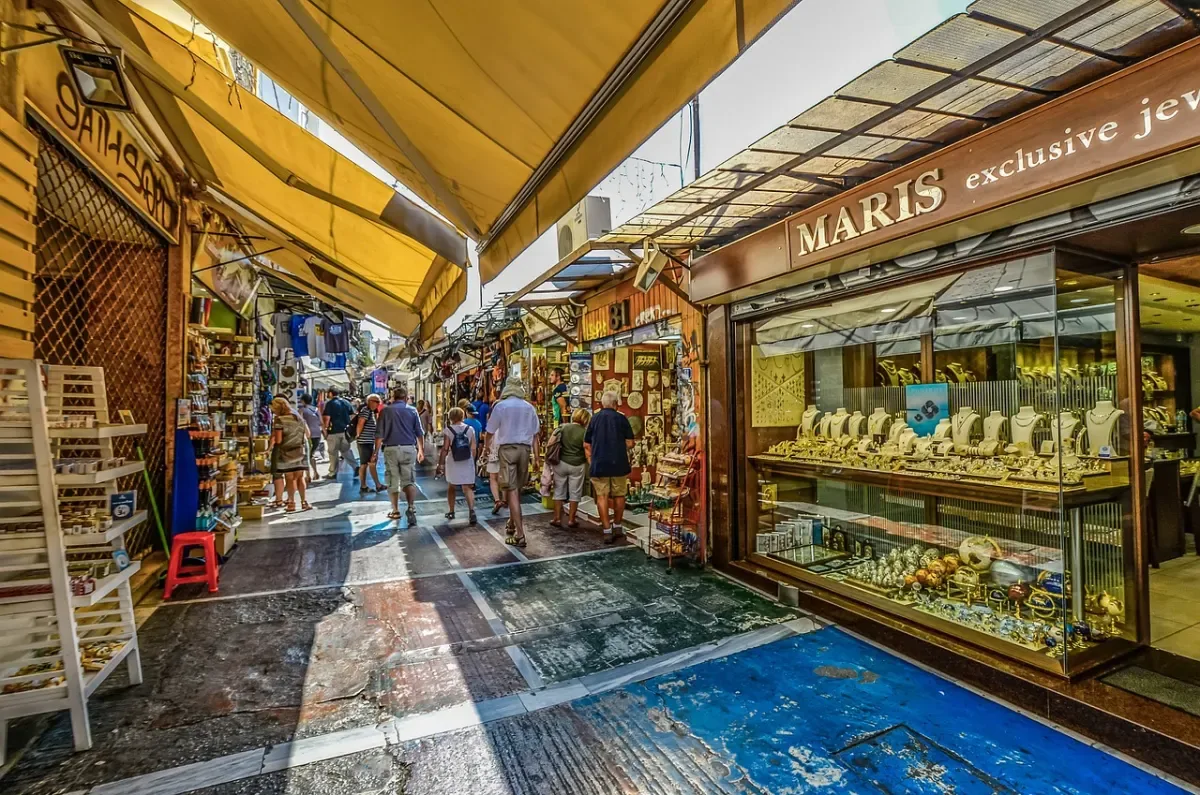
Every popular destination has them: overpriced restaurants near landmarks, "authentic" souvenir shops selling mass produced goods and attractions that promise the world but deliver disappointment. Tourist traps exist because they work, catching hurried visitors who do not know any better. But with a little preparation and some street smarts, you can sidestep them entirely and have a far richer travel experience.
What Exactly Makes Something a Tourist Trap?
A tourist trap is any business, attraction or service that exists primarily to extract maximum money from visitors while delivering minimal value. Common characteristics include:
- Inflated prices that are two to five times higher than what locals pay
- Aggressive touts outside the door trying to lure you in
- Menus with photos in multiple languages right on the main tourist drag
- Manufactured "authenticity" that feels staged rather than genuine
- Overcrowding with tour buses and selfie sticks rather than locals
The Two Block Rule for Restaurants
One of the simplest and most effective strategies is the two block rule. When you are near a major attraction and feeling hungry, walk at least two blocks away in any direction before choosing a restaurant. The further you get from the landmark, the more likely you are to find places where locals actually eat.
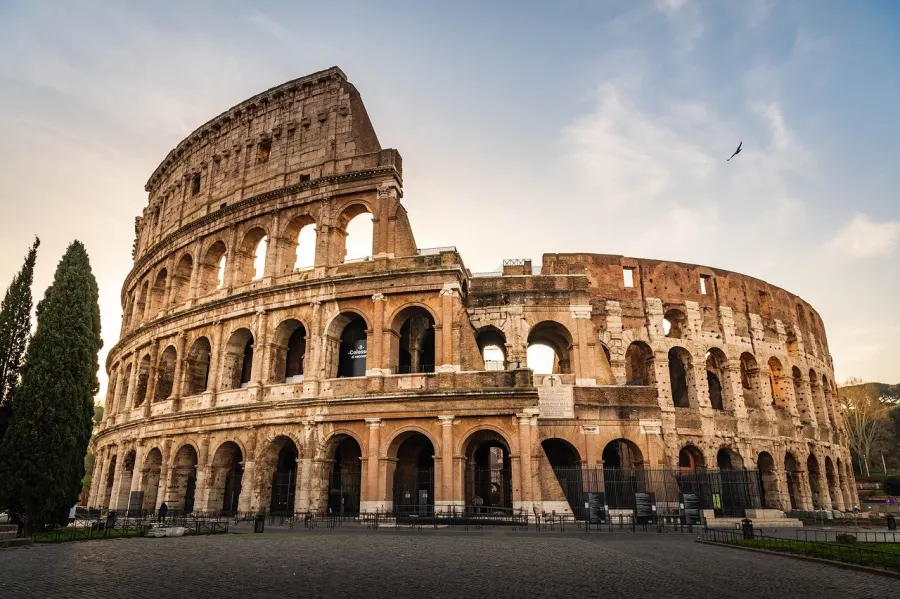
In Rome, for example, the restaurants immediately surrounding the Colosseum tend to serve mediocre pasta at premium prices. Walk ten minutes toward the Monti neighborhood and you will find trattorias with handmade pasta, local wine and prices that are half what you would pay at the tourist spots. If you want to explore authentic tours in Rome, look for experiences led by locals who can show you the real culinary gems.
Research Before You Go (But Not Too Much)
A little research goes a long way, but over planning can be just as harmful as no planning at all. Before your trip:
- Read recent reviews on Google Maps and TripAdvisor, filtering for the last six months. Older reviews may not reflect current quality.
- Check local food blogs rather than generic travel sites. Eater, The Infatuation and local equivalents in your destination city are goldmines.
- Ask on Reddit in destination specific subreddits. Locals are usually eager to share their favorite spots.
- Follow local Instagram accounts that focus on food, culture or neighborhood life rather than glossy travel influencers.
Recognizing Common Scams Around the World
Tourist traps are not just restaurants. Scams targeting travelers are common in popular destinations. Here are some of the most widespread ones:
The Friendship Bracelet Scam (Paris, Rome, Barcelona)
Someone approaches you, ties a bracelet on your wrist while chatting, then demands payment. The solution: keep your hands in your pockets or simply say "no" firmly and keep walking.
The Taxi Meter "Broken" Trick
A taxi driver claims the meter is broken and quotes an inflated flat rate. Always insist on the meter, or use ride hailing apps like Uber, Bolt or local equivalents. In cities like Barcelona, having a ride app on your phone saves both money and hassle.
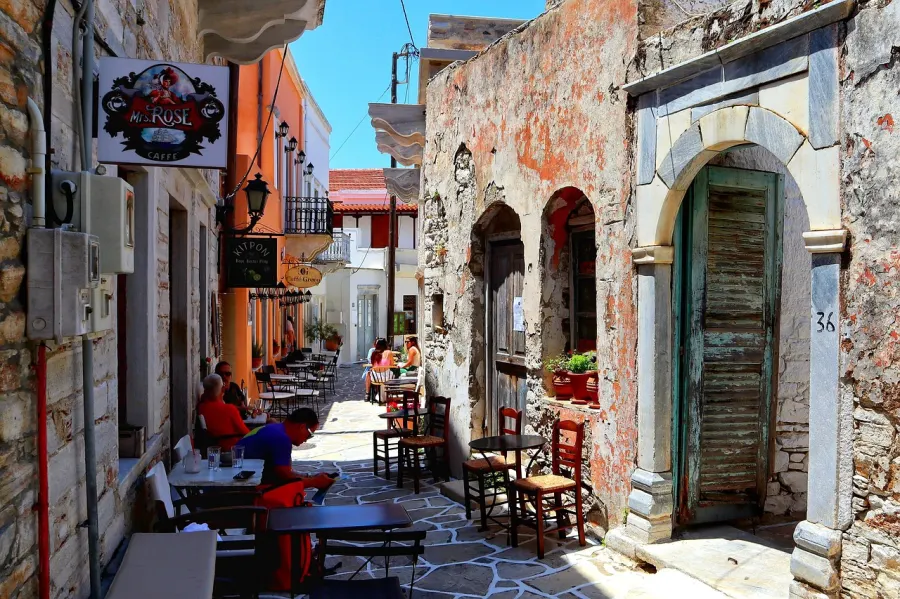
The Free Tour That Is Not Free
Some "free" walking tours are genuinely tip based and excellent. Others are bait and switch operations that pressure you into expensive add ons. Research the company beforehand and read reviews.
Currency Exchange Traps
Airport and tourist zone exchange offices often charge commissions of 10 percent or more. Use ATMs from reputable banks instead, and decline the "dynamic currency conversion" option that lets the machine choose the exchange rate.
How to Shop for Souvenirs Without Getting Ripped Off
The souvenir shops clustered around major landmarks are almost always the worst places to buy gifts. Instead:
- Visit local markets where artisans sell directly. These are common throughout Europe, Asia and Latin America.
- Look for neighborhood boutiques away from tourist areas that stock locally made goods.
- Buy consumables like spices, chocolate, tea or local spirits from grocery stores or specialty shops. These are often higher quality and lower priced than packaged "gift" versions.
- Check for "made in" labels. If the "authentic Italian leather" bag was made in China, you are in a tourist trap.
Attractions Worth the Hype (and Those That Are Not)
Not every popular attraction is a tourist trap. Some are genuinely worth the crowds and the price. The key is knowing which ones deliver real value:
Usually Worth It
- The Colosseum in Rome with a guided tour that includes underground access
- The Louvre in Paris if you go early or on a less busy day (Wednesday and Friday evenings are ideal)
- National parks anywhere in the world, which typically offer extraordinary value for the entrance fee
- Cooking classes in destination, which provide genuine cultural immersion
Often Overrated
- Hop on hop off buses in most cities, where public transit or walking gives you a better experience
- Hard Rock Cafes and chain restaurants in foreign cities
- Wax museums unless you genuinely enjoy them
- Overpriced observation decks when free or cheaper viewpoints exist nearby
Technology Tools That Help You Avoid Traps
Your smartphone is your best defense against tourist traps in 2026:
- Google Maps reviews and photos give you real time intel on any restaurant or shop
- Google Translate helps you read menus in local languages, so you can eat where locals eat
- Rome2Rio shows you the cheapest transport options between any two points
- Too Good To Go lets you grab surplus food from quality restaurants at a fraction of the price
The Mindset Shift: Be a Traveler, Not a Tourist
The biggest difference between travelers who fall for tourist traps and those who do not is mindset. Travelers who have the best experiences tend to:
- Slow down. Rushing from landmark to landmark makes you vulnerable. Take your time.
- Talk to locals. Hotel staff, bartenders and shopkeepers are often happy to share recommendations.
- Wander without a plan for at least part of each day. The best discoveries happen when you are not looking for them.
- Accept that missing a famous attraction is fine. The experience of a place is often more memorable than checking boxes on a list.
City Specific Tips
Paris: Skip the overpriced cafes on the Champs Elysees. Instead, find a corner bistro in the Marais or Saint Germain. If you want to book a guided Louvre experience, a skip the line tour is one of the few tourist oriented services that genuinely saves you time and frustration.
New York City: Avoid Times Square restaurants entirely. Walk to Hell's Kitchen or the East Village for far better food at lower prices. You can find great NYC experiences that take you beyond the obvious spots.
Bangkok: The tuk tuk drivers near the Grand Palace often run a gem shop scam. Use the BTS Skytrain and MRT subway to get around cheaply and efficiently.
Final Thoughts
Tourist traps are an inevitable part of popular travel destinations, but falling for them is entirely optional. With a little preparation, a healthy dose of skepticism and a willingness to venture beyond the obvious, you can save money, eat better food and have experiences that feel authentic rather than manufactured. The best travel memories rarely happen at the most famous restaurant on the main square. They happen in the side street trattoria, the neighborhood bar and the hidden viewpoint that only locals know about.
How Locals Spot Tourist Traps Instantly
One of the easiest tells is a menu with photos of every dish displayed outside the restaurant, especially near major landmarks. Locals walk right past these places. Another red flag is staff standing outside aggressively trying to lure you in. Great restaurants rarely need to pull people off the street.
Watch for inflated pricing on items that should be cheap. A bottle of water costing five times the normal rate near a popular monument is a classic trap. Walk two or three blocks in any direction and prices typically return to normal. The same applies to souvenir shops clustered around attractions. Better quality and lower prices are almost always found in neighborhood shops.
Research Strategies That Save You Money and Frustration
Before arriving at any destination, spend 20 minutes on food apps and local review platforms. Google Maps reviews from locals (look for reviews written in the local language) are more reliable than tourist-heavy sites. Reddit travel forums and city-specific subreddits are gold mines for honest recommendations.
Download offline maps before your trip so you can navigate side streets confidently without data. Getting slightly lost in residential neighborhoods often leads to the best discoveries. For detailed tips on finding authentic food experiences, check out our Barcelona street food guide as an example of how digging deeper rewards your taste buds.
Common Scams to Watch For
Beyond overpriced restaurants, be aware of these common schemes: the "free" bracelet or rosemary sprig (they will demand payment after), fake petition signers who distract you while a partner pickpockets you, and taxi drivers who claim the meter is broken. Always insist on the meter or use a ride-hailing app instead.
At currency exchange booths, the phrase "no commission" often hides terrible exchange rates buried in the fine print. Use ATMs from major banks for the best rates, and notify your bank before traveling to avoid card blocks. Staying informed is your best defense. Our guide on scoring cheap flights also includes tips for avoiding booking scams and hidden fees. And if you are planning a trip to a particularly tourist-heavy city, our Vatican without crowds guide shows how strategic planning beats the tourist trap cycle entirely.



Comments (0)
Leave a Comment