
Why the Inca Trail Is the World's Most Iconic Trek
The Classic Inca Trail is a four day, 26 mile (42 kilometer) trek through the Peruvian Andes that ends at the Sun Gate overlooking Machu Picchu. It is not just a hike. It is a pilgrimage through cloud forests, past ancient ruins, over mountain passes reaching 4,215 meters (13,828 feet) and into one of the New Seven Wonders of the World.
Roughly 500 trekkers start the trail each day (the government imposed permit limit), making this one of the most regulated and sought after treks on the planet. Planning well in advance is essential. Here is everything you need to know to make it happen.
When to Go: Best Months for the Inca Trail
The Inca Trail is open year round except February, when it closes for maintenance. The best trekking months are:
- May to September (dry season): Clear skies, cold nights, best visibility. This is peak season, so permits sell out 3 to 6 months ahead
- April and October (shoulder season): Fewer crowds, occasional rain, still excellent conditions
- November to March (wet season): Rain is frequent, trails can be muddy, but the landscape is lush green and permits are easier to get
Permits: Book Early or Miss Out
The Peruvian government limits the trail to 500 people per day, including guides and porters. That means only about 200 tourist spots are available each day. For peak season (June to August), permits sell out within days of being released in October or November of the previous year.
- Cost: Permits are typically $300 to $600+ per person as part of a guided tour package
- You must book through a licensed tour operator. Independent trekking is not allowed
- Passport required: Your passport number is on the permit, and you need the exact same passport at checkpoints
Day by Day Breakdown of the Classic 4 Day Trek
Day 1: Kilometer 82 to Wayllabamba (12 km / 7.5 miles)
The trek begins at Kilometer 82 on the rail line from Cusco. Day one is considered the easiest, following the Urubamba River valley through eucalyptus groves and past the ruins of Llactapata, your first Inca archaeological site. The trail gradually ascends to the campsite at Wayllabamba (3,000 meters).
Difficulty: Moderate. Mostly gentle uphill with some flat sections.
Day 2: Wayllabamba to Pacaymayo (12 km / 7.5 miles)
This is the hardest day. You climb from 3,000 meters to Dead Woman's Pass (Warmiwanusqa) at 4,215 meters, the highest point on the trail. The ascent is steep and relentless, with thin air making every step a challenge. After crossing the pass, you descend steeply to the Pacaymayo Valley campsite.
Difficulty: Very challenging. Allow 6 to 8 hours. Start early and pace yourself.
Day 3: Pacaymayo to Winay Wayna (16 km / 10 miles)
The longest day includes two more passes and the most impressive Inca ruins along the trail. Cross Runkurakay Pass (3,950 meters) and visit the circular ruins of Runkurakay. Continue past the stunning terraced complex of Sayacmarca and through magical cloud forest draped in orchids and moss. Arrive at Winay Wayna, a spectacular terraced site perched above the Urubamba gorge.
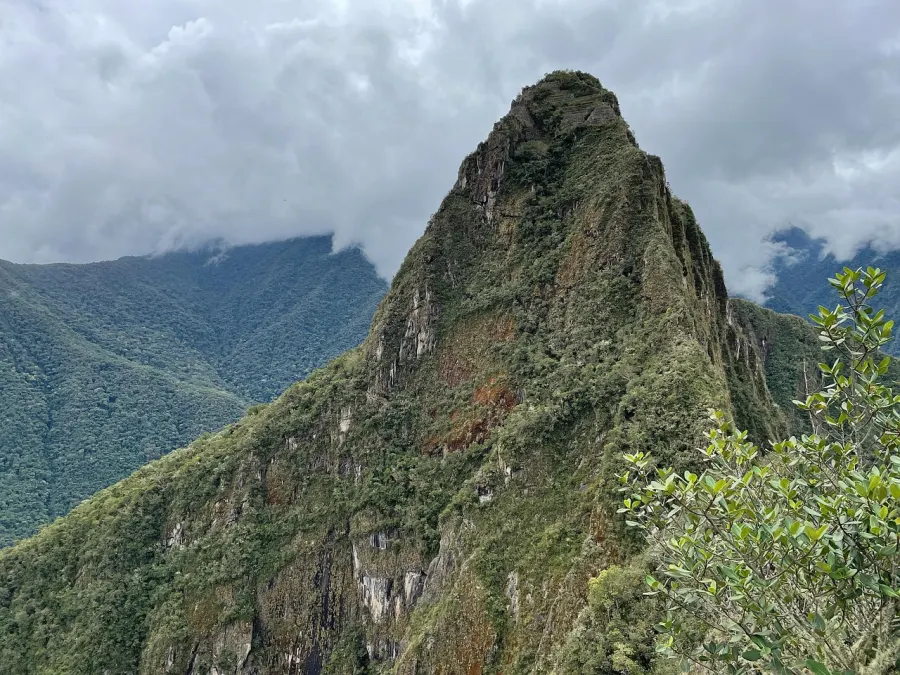
Difficulty: Challenging but varied. The scenery makes every step worthwhile.
Day 4: Winay Wayna to Machu Picchu (6 km / 3.7 miles)
Wake at 3:30 AM. Trekkers line up in the dark to pass through the final checkpoint at 5:30 AM. Hike along a narrow cliff side trail to Inti Punku (the Sun Gate) where you get your first breathtaking view of Machu Picchu spread out below, often wreathed in morning mist.
Descend to the citadel for a guided tour of Machu Picchu lasting about two hours. Explore the Temple of the Sun, the Intihuatana stone, the Room of Three Windows and the agricultural terraces. Take the bus down to Aguas Calientes for lunch and celebration before catching the train back to Cusco.
Altitude Acclimatization: Do Not Skip This
Cusco sits at 3,400 meters (11,150 feet) and the trail goes even higher. Altitude sickness is the number one reason people struggle on the Inca Trail. Arrive in Cusco at least 2 to 3 days before your trek to acclimatize.
- Drink coca tea, a traditional Andean remedy that genuinely helps
- Stay hydrated with 3 to 4 liters of water per day
- Avoid alcohol and heavy meals during your first 48 hours
- Consider visiting the Sacred Valley (lower altitude) before Cusco to ease the transition
- Talk to your doctor about acetazolamide (Diamox) as a preventive option
What to Pack for the Inca Trail
Your tour operator provides tents, meals and communal gear. You carry a daypack (6 to 8 kg recommended), while porters carry the rest. Essential items include:
- Layers: Mornings are cold (near freezing at high passes), afternoons can be warm
- Rain gear: Waterproof jacket and pack cover regardless of season
- Hiking boots: Broken in, waterproof, with ankle support
- Trekking poles: Highly recommended for steep descents
- Headlamp: Essential for the early Day 4 start
- Sun protection: High altitude sun is intense. Bring SPF 50, sunglasses and a hat
- Sleeping bag: Rated to minus 5 Celsius (most operators can rent these)
- Toilet paper and hand sanitizer: Restrooms on the trail are basic
Fitness Preparation
You do not need to be an elite athlete, but you should be reasonably fit. Start training 8 to 12 weeks before your trek:
- Hike with a loaded daypack for 2 to 3 hours at a time
- Focus on cardio: stair climbing, cycling, swimming or running
- Strengthen your legs and core with squats, lunges and planks
- Practice walking on uneven terrain if possible
Alternatives to the Classic Inca Trail
If permits are sold out or you want a different experience, consider:
- Salkantay Trek (5 days): More challenging, wilder scenery, no permit limits
- Lares Trek (4 days): Cultural route through Andean villages with hot springs
- Short Inca Trail (2 days): Starts at Kilometer 104, skips the hardest sections but still arrives through the Sun Gate
Costs and Budget Breakdown
- Guided trek with permit: $400 to $800+ depending on operator quality
- Round trip train (Aguas Calientes to Cusco): $60 to $90
- Machu Picchu entry: Included in most trek packages
- Tips for porters and guides: $50 to $100 recommended per trekker
- Cusco accommodation (3 nights pre/post trek): $30 to $80 per night
- Total estimated cost: $700 to $1,200 for the trek portion
Final Thoughts
Hiking the Inca Trail is one of those rare experiences that lives up to every ounce of hype. The combination of physical challenge, ancient history, stunning Andean landscapes and the emotional crescendo of seeing Machu Picchu emerge from the mist at sunrise is simply unmatched. Book your permit early, train your body, respect the altitude and prepare for a journey that will stay with you forever.
For guided tours of Machu Picchu and the Sacred Valley, explore Peru experiences on Viator.
For the best guided tours and travel experiences worldwide, browse top-rated activities on Viator.
Physical Preparation and Training
The Inca Trail is not a casual walk. You will cover roughly 26 miles over four days, with elevation gains reaching over 13,000 feet at Dead Woman's Pass. Start training at least eight weeks before your trek. Focus on cardiovascular fitness with regular hiking, stair climbing, and jogging. Incorporate leg strength exercises like squats and lunges, and practice walking on uneven terrain with a loaded daypack.
Altitude is the biggest challenge for most hikers. If possible, arrive in Cusco two to three days early to acclimatize. Stay hydrated, avoid alcohol for the first 48 hours, and consider drinking coca tea, a local remedy that helps ease altitude discomfort. Listen to your body and do not push through headaches or nausea without resting.
What to Pack for the Trek
Your porter will carry the bulk of your gear, but you will need a daypack with essentials: water bottles or a hydration bladder, rain gear, sunscreen, insect repellent, a headlamp, and layers for temperature swings. Mornings start cold, afternoons can be warm, and evenings drop quickly. Moisture-wicking base layers and a quality down jacket are non-negotiable. Broken-in hiking boots with ankle support are essential. Do not wear new boots on the trail.
Pack toilet paper, hand sanitizer, and personal medications including altitude sickness pills if recommended by your doctor. A good camera or smartphone with extra batteries will ensure you capture the sunrise over Machu Picchu on day four.
Permits and Booking Timeline
Only 500 people per day are allowed on the Inca Trail, and that number includes guides and porters. Permits sell out months in advance, especially for the peak season from May through September. Book your trek at least six months ahead, and earlier if you want a specific date. You must book through a licensed tour operator, as independent hiking is not permitted.
Expect to pay between $600 and $1,200 per person depending on the operator and level of service. Budget operators provide basic camping gear and meals, while premium operators include better tents, more varied food, and smaller group sizes. Read reviews carefully and confirm that your operator treats porters fairly with proper wages, equipment, and weight limits.
Day-by-Day Highlights
Day one is relatively gentle, following the Urubamba River through eucalyptus groves and past small Andean communities. Day two is the toughest, with the steep climb to Dead Woman's Pass at 13,828 feet. Day three rewards you with stunning cloud forest scenery and the beautiful ruins of Winay Wayna. Day four starts before dawn as you hike to the Sun Gate for your first view of Machu Picchu, a moment that makes every blister and sore muscle worth it.
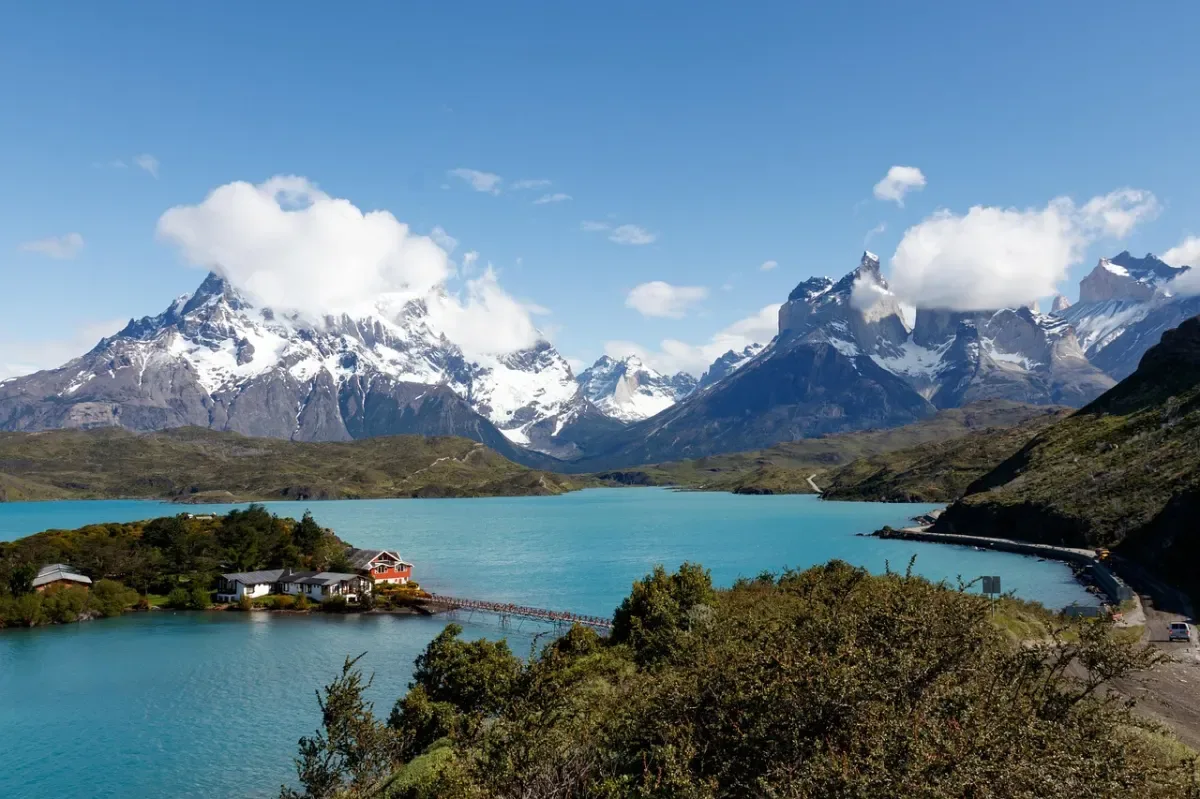
If you enjoy challenging treks in dramatic landscapes, our guide to trekking in Patagonia is another adventure worth planning. And for more tips on preparing for outdoor trips, check out our camping in national parks beginner guide.

Comments (0)
Leave a Comment