
The Art and Adventure of Fly Fishing Travel
Fly fishing is more than a sport. It is a way to connect with wild places, clear water, and the rhythms of nature that modern life tends to drown out. The best fly fishing destinations combine world class angling with stunning scenery, and many of them are in locations so remote and pristine that the fishing itself becomes secondary to the experience of simply being there.
Whether you are a seasoned angler chasing trophy trout or a beginner looking for your first guided fly fishing adventure, this list covers the destinations that belong on every fly fisher's bucket list.
Top Fly Fishing Destinations in the United States
Montana: The Last Best Place
Montana is the spiritual home of American fly fishing, immortalized in Norman Maclean's "A River Runs Through It." The state offers hundreds of miles of blue ribbon trout water, from the legendary Madison and Gallatin rivers near Yellowstone to the spring creeks of Paradise Valley. The Missouri River below Holter Dam produces some of the largest wild trout in the lower 48 states, with rainbows and browns regularly exceeding 20 inches.
The best time to fish Montana is from June through October, with the famous salmonfly hatch in late June creating explosive dry fly action. Guided float trips cost around $500 to $600 per day for two anglers, including lunch and all equipment. Budget conscious anglers can wade fish on their own for the cost of a $15 state fishing license. If you want to explore the area, consider booking Yellowstone tours to combine world class fishing with stunning geothermal features.
Colorado: High Altitude Trout
Colorado's Gold Medal waters offer incredible fishing in stunning mountain settings. The South Platte River near Deckers, the Frying Pan River near Basalt, and the Arkansas River near Salida all produce trophy trout on technical presentations. The Frying Pan's famous "Toilet Bowl" section below Ruedi Reservoir holds enormous rainbow trout that challenge even expert anglers.
Summer is prime time, with water temperatures ideal from July through September. Denver makes a great base camp, and many rivers are within a two hour drive. You can find tours and experiences in Denver to complement your fishing trip with brewery visits and mountain excursions.
Alaska: The Final Frontier of Fishing
Nothing compares to fly fishing in Alaska. The state's rivers teem with five species of Pacific salmon, massive rainbow trout, arctic char, and grayling. Bristol Bay's rivers, including the Naknek, Kvichak, and Nushagak, offer arguably the best salmon and trout fishing on Earth. Imagine casting to 30 inch rainbow trout gorging on salmon eggs while grizzly bears fish alongside you.
Alaska fishing lodges range from $3,000 to $8,000 per week, including floatplane access, guided fishing, meals, and accommodation. The season runs from June through September, with king salmon arriving first and silver salmon closing out the year. For a more affordable option, road accessible streams on the Kenai Peninsula offer excellent fishing for a fraction of the cost.
The Driftless Region: Hidden Gem
Spanning parts of Wisconsin, Minnesota, Iowa, and Illinois, the Driftless Area contains thousands of spring fed trout streams that escaped glaciation during the last Ice Age. These small, limestone fed creeks hold healthy populations of wild brown and brook trout in a pastoral landscape of rolling hills and farmland. Fishing here is intimate and accessible, with no crowds and no expensive guides needed.
International Fly Fishing Destinations
Patagonia, Argentina and Chile
Patagonia is the Southern Hemisphere's answer to Montana, with gin clear rivers flowing through dramatic mountain scenery. Rivers like the Rio Limay, Rio Chimehuin, and Rio Malleo hold large brown and rainbow trout that were introduced over a century ago and now thrive in pristine conditions. The season runs from November through April (the Southern Hemisphere summer), making it perfect for Northern Hemisphere anglers looking to extend their fishing year.
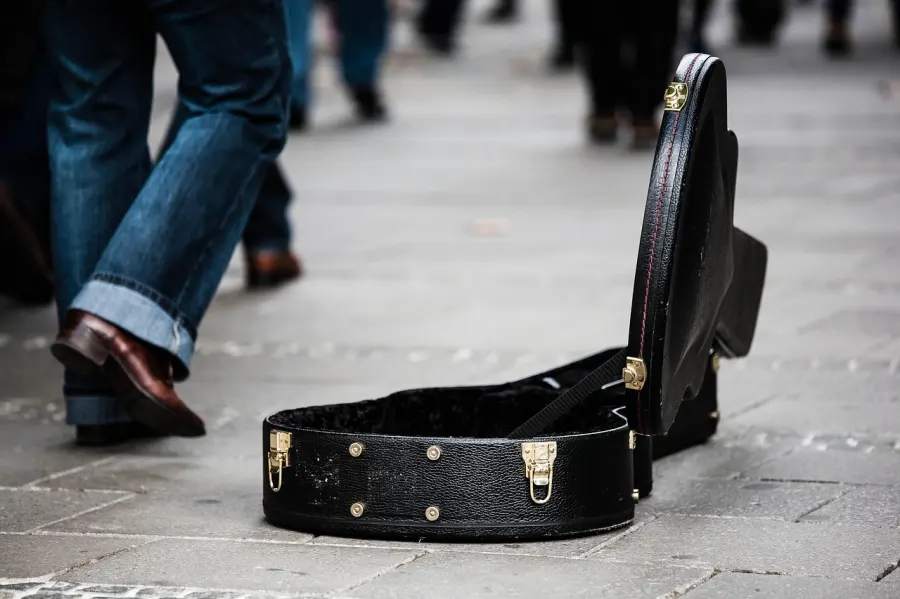
Guided trips cost around $400 to $600 per day, and all inclusive lodges range from $3,000 to $6,000 per week. The scenery alone, with snow capped Andes peaks, condors soaring overhead, and turquoise lakes, makes Patagonia worth the trip even on days when the fishing is slow.
New Zealand: Sight Fishing Paradise
New Zealand is famous for sight fishing to large, individual trout in crystal clear rivers. The South Island's backcountry streams hold brown and rainbow trout averaging four to six pounds, with fish over ten pounds a genuine possibility on any given day. The challenge is spotting these fish in the clear water and making a precise presentation, often with only one shot before they spook.
The best regions include Nelson, Southland, and the Canterbury high country. Guided trips run about $500 to $700 NZD per day. The season is from October through April, with January and February being peak months.
Iceland: Arctic Adventure
Iceland offers a unique fly fishing experience with Atlantic salmon, arctic char, and large brown trout in rivers flowing through volcanic landscapes. The salmon rivers are world famous but expensive, with rod fees ranging from $1,000 to $5,000 per day on premier beats. However, the lake fishing for brown trout and char is much more affordable and equally rewarding.
The midnight sun during summer means you can fish around the clock from June through August. Combine your fishing trip with sightseeing, from geysers and waterfalls to the Blue Lagoon.
Slovenia: Europe's Best Kept Secret
The Soca River in Slovenia is arguably the most beautiful trout river in Europe, with impossibly turquoise water flowing through alpine gorges. The river is home to the rare marble trout, found nowhere else on Earth, along with brown trout, rainbow trout, and grayling. Fishing permits cost around $80 to $120 per day, and the surrounding Julian Alps provide spectacular scenery.
Essential Gear for Fly Fishing Travel
- Multi piece travel rod: A 4 piece 9 foot 5 weight rod handles most trout situations and packs easily in luggage.
- Quality reel with extra spools: Bring floating and sinking lines to cover different water types.
- Breathable waders: Lightweight packable waders are essential for cold water destinations.
- Fly selection: Research local hatches before you go. Carry a mix of dry flies, nymphs, and streamers.
- Polarized sunglasses: Critical for spotting fish and protecting your eyes. Amber or copper lenses work best.
Tips for Planning a Fly Fishing Trip
Book guides early, especially for popular destinations during peak season. Good guides book up six months to a year in advance. Check licensing requirements carefully, as regulations vary widely between destinations. Consider shoulder seasons for better prices and fewer crowds. Many destinations fish well in early or late season when lodges offer discounts of 20 to 30 percent.
Practice your casting before you go. A few sessions at a local pond or casting clinic can dramatically improve your experience on the water. And always practice catch and release to protect these wild fisheries for future generations.
Final Thoughts
Fly fishing travel combines the thrill of the sport with the joy of exploring wild, beautiful places. Whether you are wading a Montana spring creek at dawn, casting to salmon in an Alaskan wilderness, or stalking trophy trout in New Zealand's backcountry, these experiences create memories that last a lifetime. Start planning your next fly fishing adventure today and discover why anglers around the world are hooked on this incredible pursuit.
Essential Gear for Your First Fly Fishing Trip
Getting started with fly fishing does not require spending thousands on gear. A quality 5-weight rod and reel combo in the $200 to $400 range is versatile enough for trout, bass, and panfish in most freshwater settings. This setup handles the majority of fly fishing situations you will encounter as a beginner and intermediate angler.
Waders and wading boots are your next priority if you plan to fish rivers and streams. Breathable waders from brands like Simms, Orvis, and Patagonia keep you dry while allowing freedom of movement. Boot-foot waders are simpler, but stocking-foot waders paired with separate boots give you better ankle support and traction on slippery riverbeds.

Your fly box should include a basic assortment that covers the major categories: a few dry flies (like Elk Hair Caddis and Adams), nymphs (Pheasant Tail and Hare's Ear), and streamers (Woolly Bugger in black and olive). Ask at local fly shops about which patterns are currently producing, because matching the hatch to local insect activity is often the difference between a great day and a slow one.
Polarized sunglasses are essential gear that beginners often overlook. They cut through surface glare and let you see fish holding in the water, read the current structure, and spot subsurface obstacles. Amber and copper lens tints work best in variable light conditions.
Guided Trips vs. Going Solo
For your first time at a new destination, hiring a guide is almost always worth the investment. A good guide puts you on fish, teaches you about local water conditions, and accelerates your learning curve by years compared to figuring things out alone. Full-day guided trips typically cost $400 to $600 for one or two anglers and include flies, use of equipment, and often lunch.
Half-day trips are a great option if you want guided instruction in the morning and solo exploration in the afternoon. Many guides are happy to share general tips about nearby public water where you can practice on your own after your session together.
Once you have fished a destination with a guide, returning solo with that knowledge gives you a much more rewarding independent experience. You will know where the fish hold, which flies work, and how to read the water, all information that would take multiple solo trips to figure out.
For destination fly fishing trips that involve travel logistics, consider booking through a specialty outfitter who handles lodging, meals, transportation, and guide scheduling as a package. This approach reduces stress and often provides access to private water that independent anglers cannot reach.
Conservation and Catch-and-Release Best Practices
Fly fishing and conservation go hand in hand, and responsible anglers play a critical role in protecting fisheries for future generations. Practice proper catch-and-release techniques by using barbless hooks (or pinching down your barbs), keeping the fish in the water as much as possible, and handling them with wet hands to protect their slime coat.
Use a rubber mesh landing net rather than knotted nylon, which can damage fins and scales. When photographing your catch, keep the fish low over the water and snap your photo quickly. If the fish is not swimming away strongly after release, gently hold it facing into the current until it regains strength and kicks away on its own.
Support local conservation organizations like Trout Unlimited, the Bonefish and Tarpon Trust, and river-specific watershed groups that work to protect and restore the waters you love to fish. Many of these organizations offer volunteer opportunities for stream cleanups, habitat restoration, and fish population monitoring.
For more outdoor adventure inspiration, check out our Canadian Rockies hiking guide for mountain adventures near world-class fishing waters. Planning a road trip to hit multiple fishing spots? Our Colorado road trip guide covers a region with outstanding trout streams.

Comments (0)
Leave a Comment