
Why the Canadian Rockies Are a Hiker Paradise
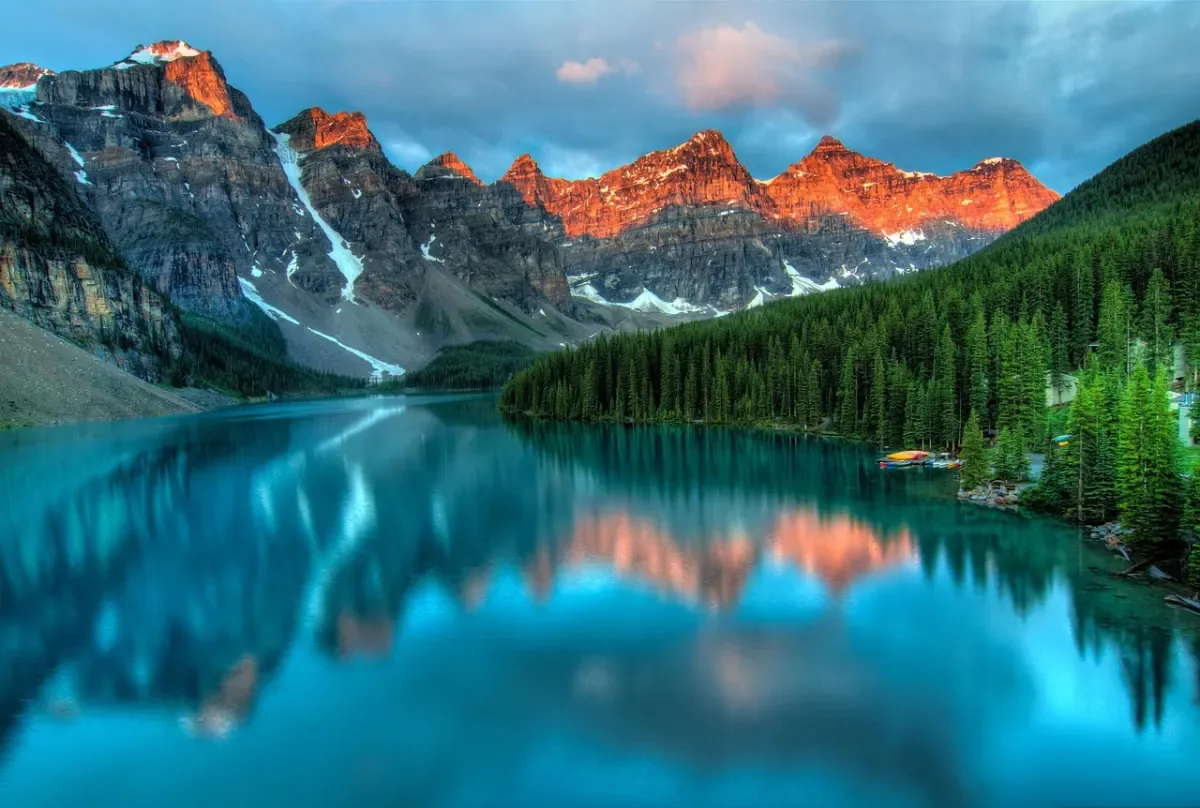
The Canadian Rockies stretch across Alberta and British Columbia, offering some of the most dramatic mountain scenery on the planet. Turquoise glacier-fed lakes, towering peaks, ancient glaciers, and dense forests create a landscape that feels almost otherworldly. Banff National Park, established in 1885 as Canada's first national park, sits at the heart of this mountain paradise.
Whether you are a seasoned mountaineer or a casual day hiker, the Canadian Rockies have trails for every ability level. The well-maintained trail system in Banff, Jasper, and the surrounding areas makes it easy to plan hikes ranging from gentle one-hour walks to multi-day backcountry adventures.
Best Time to Hike in the Canadian Rockies
The prime hiking season runs from late June through mid-September. During this window, most trails are free of snow, wildflowers blanket the alpine meadows, and daytime temperatures are comfortable in the 60s and 70s Fahrenheit.
Month by Month Breakdown
- June: Lower elevation trails open first. Higher alpine trails may still have snow patches. Waterfalls are at their most powerful from snowmelt.
- July: Peak wildflower season. Most trails are accessible. This is the busiest month, so start early to avoid crowds.
- August: Warm, stable weather. Excellent conditions for high alpine hikes. Smoke from forest fires can occasionally affect visibility.
- September: Larch trees turn golden, creating spectacular scenery. Cooler temperatures, fewer crowds, and crisp air make this a favorite month for experienced hikers.
Top Hiking Trails in Banff National Park
1. Plain of Six Glaciers Trail
Distance: 13.8 km (8.6 miles) round trip | Elevation Gain: 587 m (1,926 ft) | Difficulty: Moderate
Starting from the shores of Lake Louise, this trail follows the lakeshore before climbing through forest and moraine to a historic teahouse perched below six glaciers. The teahouse, built in 1924, serves fresh tea and baked goods (cash only) with views that are hard to beat anywhere in the Rockies. On a clear day, you can see and hear glacial ice calving from the Victoria Glacier above.
2. Sentinel Pass via Larch Valley
Distance: 11.6 km (7.2 miles) round trip | Elevation Gain: 725 m (2,379 ft) | Difficulty: Challenging
This trail climbs through the Valley of the Ten Peaks, passes through a stunning larch forest (spectacular in late September), and reaches Sentinel Pass at 2,611 meters, one of the highest points accessible by trail in the Canadian Rockies. The panoramic views from the pass are absolutely breathtaking. Note that Parks Canada requires hikers to travel in groups of four or more on this trail due to grizzly bear activity.
3. Johnston Canyon
Distance: 5.4 km (3.4 miles) to Upper Falls | Elevation Gain: 135 m (443 ft) | Difficulty: Easy
This is one of the most accessible and popular trails in Banff. A well-built catwalk follows Johnston Creek through a narrow limestone canyon to two impressive waterfalls. The Lower Falls are just 1.1 km from the trailhead, making this perfect for families or anyone wanting a short scenic walk. Visit early in the morning or late afternoon to avoid the biggest crowds.
4. Sunshine Meadows
Distance: Variable, 8 to 20 km | Elevation Gain: Variable | Difficulty: Easy to Moderate
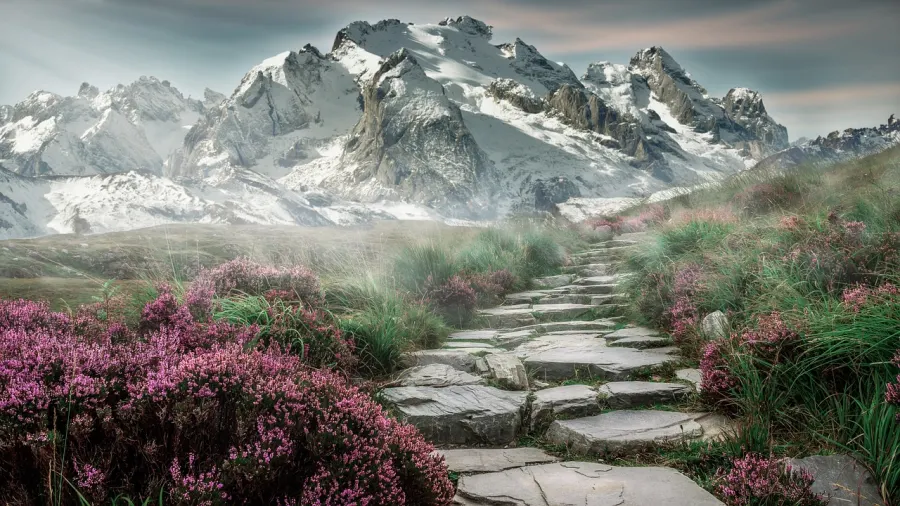
Take the Sunshine Village gondola to access some of the most beautiful alpine meadows in the Rockies. In July and August, the meadows explode with wildflowers, and the views stretch across the Continental Divide. Several interconnected trails let you customize your hike, including a walk along the Alberta-British Columbia border. This area is accessible to hikers of varying abilities thanks to the gondola.
Stunning Trails Beyond Banff
5. Berg Lake Trail, Mount Robson Provincial Park
Distance: 44 km (27.3 miles) round trip | Elevation Gain: 795 m (2,608 ft) | Difficulty: Challenging (multi-day)
This trail leads to the base of Mount Robson, the highest peak in the Canadian Rockies at 3,954 meters. The turquoise Berg Lake sits below towering glaciers that regularly calve icebergs into the water. The trail passes through diverse landscapes including forests, waterfalls, and glacial moraines. Most hikers take two to three days to complete this trek, camping at designated sites along the way.
6. Moraine Lake Rockpile Trail
Distance: 0.6 km (0.4 miles) | Elevation Gain: 24 m (79 ft) | Difficulty: Easy
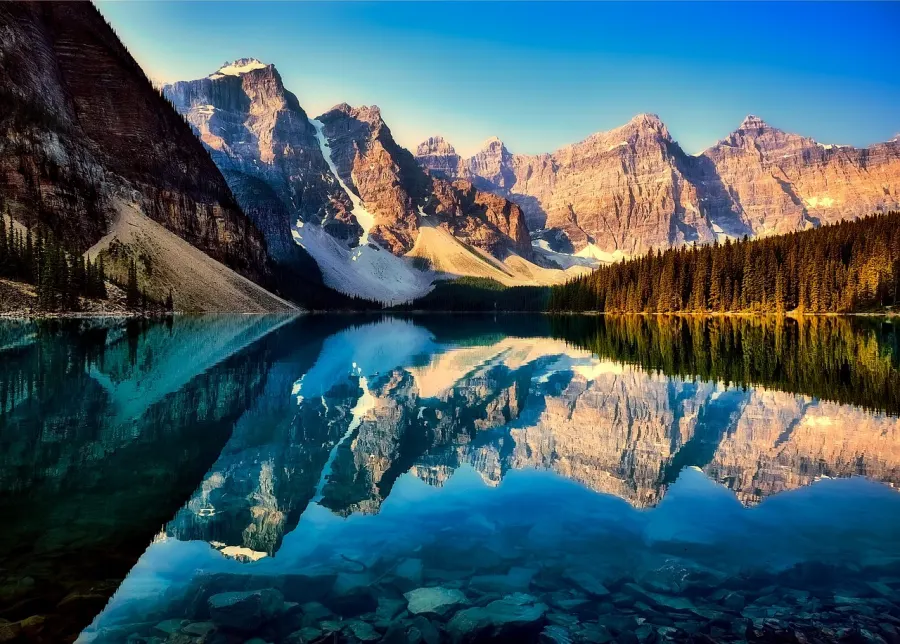
Sometimes the shortest trails deliver the biggest rewards. This brief climb up a glacial moraine leads to the iconic viewpoint of Moraine Lake, surrounded by the Valley of the Ten Peaks. The stunning turquoise water backed by rugged mountain peaks is one of the most photographed scenes in all of Canada. Arrive before 7 AM in peak season, as the parking lot fills up incredibly fast.
7. Parker Ridge Trail, Icefields Parkway
Distance: 5.2 km (3.2 miles) round trip | Elevation Gain: 250 m (820 ft) | Difficulty: Moderate
Located along the famous Icefields Parkway between Banff and Jasper, this short but rewarding trail climbs above treeline to reveal a dramatic view of the Saskatchewan Glacier, the largest outlet of the Columbia Icefield. The trail crosses alpine meadows filled with wildflowers in summer, and the view from the ridgeline is one of the best glacier viewpoints accessible by a short hike.
Essential Tips for Hiking in the Canadian Rockies
Wildlife Safety
The Canadian Rockies are home to grizzly bears, black bears, elk, moose, and mountain goats. Bear encounters are a real possibility on many trails.
- Carry bear spray and know how to use it. Keep it accessible on your hip, not buried in your pack.
- Make noise while hiking, especially around blind corners and near streams where bears may not hear you approaching.
- Never approach or feed wildlife. Maintain a distance of at least 100 meters from bears and 30 meters from other large animals.
- Store food properly at backcountry campsites using bear-proof containers or food storage cables.
Weather Preparedness
Mountain weather in the Rockies can change rapidly. A sunny morning can turn into a cold rain or even snowfall at higher elevations, even in July.
- Dress in layers and always carry a waterproof jacket
- Pack warm clothing for high alpine trails, even in summer
- Start early in the day to avoid afternoon thunderstorms that are common in July and August
- Check trail conditions and weather forecasts at the Parks Canada website before heading out
Park Passes and Permits
You need a Parks Canada pass to enter Banff, Jasper, and other national parks. A daily pass costs about $10.50 CAD per adult, or you can purchase an annual Discovery Pass for $72.25 CAD, which grants unlimited access to all national parks and historic sites across Canada for a full year. Backcountry camping requires a separate wilderness pass and reservations, which should be booked well in advance for popular routes.
Where to Stay Near the Trails
The town of Banff is the most popular base for exploring the area. It offers everything from budget hostels to luxury hotels, plus restaurants, gear shops, and a lively nightlife scene. Lake Louise Village is a smaller, quieter option that puts you closer to some of the best trails. Canmore, just outside the park boundary, offers more affordable accommodations and a charming downtown.
For a unique experience, consider staying at one of the backcountry lodges operated by the Alpine Club of Canada. These rustic mountain huts sit in remote locations accessible only on foot, offering a true wilderness experience with basic amenities.
Combining Hiking with Other Activities
The Canadian Rockies offer much more than hiking. Between trail days, consider paddling a canoe on Lake Louise, soaking in the Banff Upper Hot Springs, driving the Icefields Parkway (one of the most scenic roads in the world), or taking a wildlife tour in Jasper National Park. You can also explore guided tours in the Canadian Rockies for experiences led by local experts who know the best trails and hidden viewpoints.
Final Thoughts
The Canadian Rockies deliver some of the most spectacular hiking on Earth. From the iconic turquoise lakes of Banff to the remote glaciers of Mount Robson, every trail offers something extraordinary. Plan your trip for peak season, pack for unpredictable weather, respect the wildlife, and prepare to be humbled by some of the most beautiful mountain scenery you will ever see. Whether you spend a weekend or a month, the Rockies will leave a lasting impression.
Wildlife You Might Encounter on the Trails
The Canadian Rockies are home to an impressive array of wildlife, and spotting animals along the trail is one of the highlights of hiking here. Elk, bighorn sheep, and mountain goats are commonly seen near the treeline, while black bears and grizzlies roam the valleys and alpine meadows. Always carry bear spray, make noise on the trail, and store food in bear-proof containers at campsites.
Early morning and late afternoon are the best times for wildlife sightings. The Bow Valley Parkway between Banff and Lake Louise is one of the most reliable spots for seeing bears, wolves, and elk from a safe distance. If you love wildlife encounters, you might also enjoy our wildlife safari guide to Costa Rica for a completely different ecosystem adventure.
What to Pack for Rocky Mountain Hikes
Mountain weather in the Rockies changes fast, so layering is essential. Bring a moisture-wicking base layer, an insulating fleece, and a waterproof shell even on sunny days. Sturdy hiking boots with ankle support are a must for rocky terrain, and trekking poles will save your knees on steep descents. Do not forget sunscreen, as UV exposure is stronger at higher elevations.
A hydration system or water filter is important for longer day hikes, since many trails have stream crossings where you can refill. Pack high-energy snacks like trail mix, jerky, and energy bars to keep your fuel levels up. For more trail preparation advice, check out our beginner guide to camping in national parks, which covers gear essentials that apply to Rocky Mountain adventures. Photography lovers should also read our travel photography tips to capture the stunning mountain scenery.


Comments (0)
Leave a Comment