
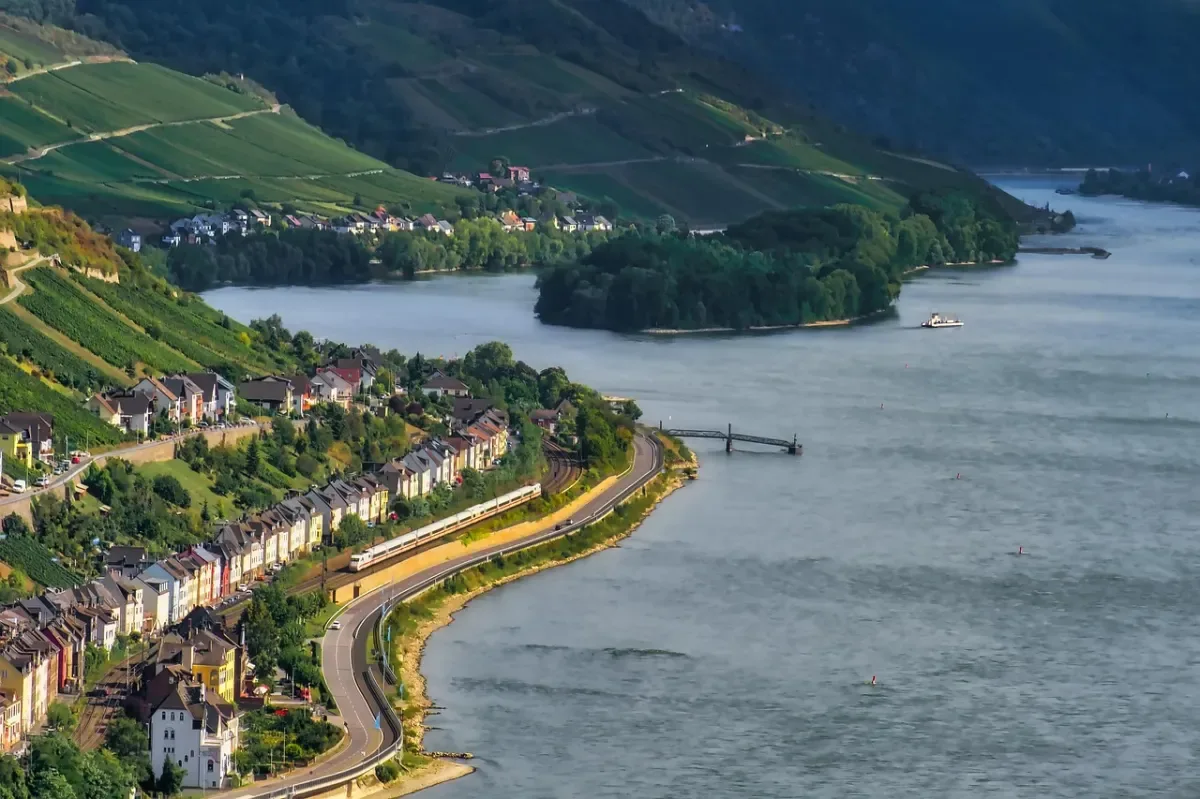
River cruising through Europe offers something no other form of travel can replicate: the chance to glide past centuries of history, vineyard-covered hillsides and storybook villages while your floating hotel does all the work. Whether you are a first time cruiser or a seasoned traveler looking for a fresh perspective, 2026 is shaping up to be one of the best years ever for European river cruises.
Why Choose a River Cruise Over an Ocean Cruise?
Unlike massive ocean liners, river cruise ships are intimate, typically carrying between 100 and 200 passengers. You will dock right in the heart of cities and towns, eliminating the need for long shuttle rides from distant ports. The pace is relaxed, the scenery is ever changing, and you wake up each morning in a new destination without ever having to repack your bags.
River cruises also tend to be more inclusive, with many lines bundling excursions, meals, wine and even gratuities into the fare. This makes budgeting simpler and the overall experience more seamless.
The Danube: A Classic First Timer Route
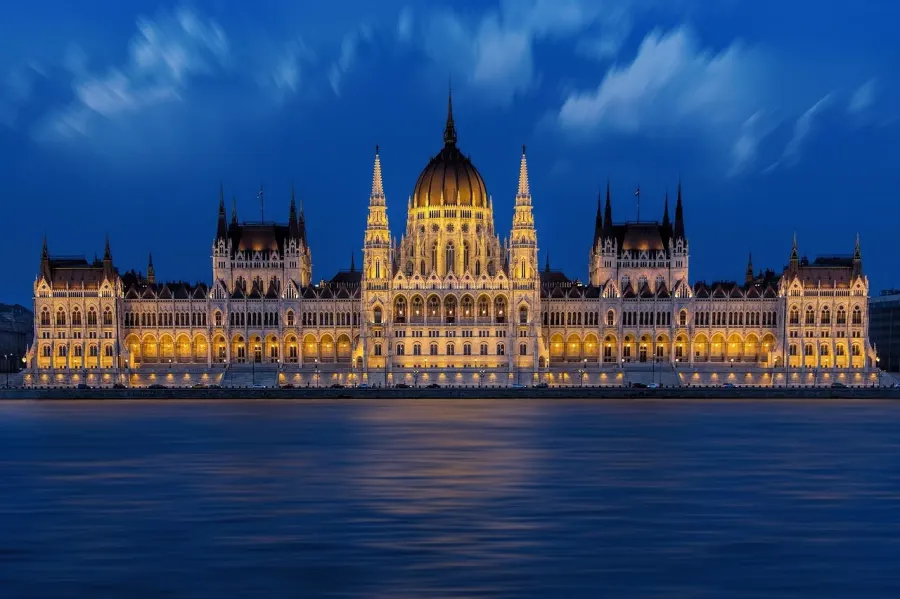
The Danube River stretches across 10 countries, making it the most versatile waterway in Europe. A typical weeklong Danube cruise takes you from Budapest to Passau (or the reverse), with stops in Vienna, Bratislava, Melk and the stunning Wachau Valley. Extended itineraries continue to Nuremberg or even Amsterdam.
Highlights along the Danube include touring the grand palaces of Vienna, sampling apricot schnapps in the Wachau Valley and exploring the medieval streets of Regensburg. If you want to explore tours in European capital cities, the Danube route hits several of the continent's most celebrated ones.
Best time to sail: April through October. Spring and fall offer smaller crowds and comfortable temperatures, while summer brings the longest daylight hours.
Price range: Expect to pay between $2,000 and $5,000 per person for a seven night cruise, depending on the line and cabin category.
The Rhine: Castles and Vineyards Galore
The Rhine River flowing through Switzerland, France, Germany and the Netherlands is perhaps the most scenic waterway in Europe. The stretch between Koblenz and Rudesheim, known as the Rhine Gorge, is a UNESCO World Heritage Site lined with over 40 medieval castles perched on steep hillsides.
A classic Rhine itinerary runs from Amsterdam to Basel (or vice versa) over seven to ten nights. Along the way you will visit Cologne with its towering cathedral, Strasbourg with its half timbered Alsatian charm, and the wine villages of the Rhine Valley where you can sample crisp Rieslings straight from the vineyard.
The Rhine is also one of the best rivers for holiday season cruises. Christmas market sailings in late November and December are incredibly popular, with ships docking near twinkling markets selling mulled wine, roasted chestnuts and handmade ornaments.
The Douro: Portugal's Hidden Gem
For travelers who have already done the Danube and Rhine, the Douro River in Portugal offers something wonderfully different. This relatively short river winds through terraced vineyards, olive groves and granite gorges in one of Europe's least explored corners.
Most Douro cruises begin or end in Porto, giving you time to explore the city's colorful Ribeira district, taste port wine in Vila Nova de Gaia and admire the azulejo tiled buildings. The sailing portion takes you deep into the Douro Valley, a UNESCO listed wine region where port wine has been produced for centuries.
Excursions typically include visits to family run quintas (wine estates), cooking demonstrations and walking tours of charming villages like Pinhao and Lamego. The pace is deliberately slow, making this an ideal cruise for couples and wine lovers.
The Rhone and Saone: A Taste of Southern France
If food and wine are your primary motivators, the Rhone and Saone rivers in southern France will feel like paradise. Itineraries typically run between Lyon and Avignon, passing through the heart of Burgundy, the Beaujolais wine region, the lavender fields of Provence and the Roman ruins of Arles.
Lyon itself is considered the gastronomic capital of France, with more restaurants per capita than almost any city in the world. A pre or post cruise stay here is highly recommended. You can find the best tours in France to enhance your experience with guided tastings and market visits.
The Rhone is also a fantastic option for history buffs. Stops include the Papal Palace in Avignon, the amphitheater in Arles (where Van Gogh painted some of his most famous works) and the vineyards of Chateauneuf du Pape.
The Seine: Paris and Normandy
A Seine River cruise is the perfect way to combine a Paris city break with the pastoral beauty of Normandy. Most itineraries begin in Paris, where you will sail right past the Eiffel Tower, Notre Dame and the Louvre before heading downstream toward the English Channel.
Stops along the way include Giverny (home of Claude Monet's famous gardens), the historic D Day beaches of Normandy, the medieval city of Rouen and the charming port of Honfleur. If you have always wanted to book experiences near the Eiffel Tower, combining a river cruise with a few extra days in Paris is the ideal approach.
Pro tip: Many Seine cruises are shorter than other European itineraries, running five to seven nights, making them a great option if you have limited vacation time.
Choosing the Right Cruise Line
The European river cruise market has expanded significantly, offering options for every budget and travel style:
- Viking River Cruises: The largest river cruise line with a focus on cultural enrichment and destination immersion. Their Longships are elegant and modern with Scandinavian design.
- AmaWaterways: Known for excellent food, generous included excursions and wellness programs including a partnership with Backroads for active shore excursions.
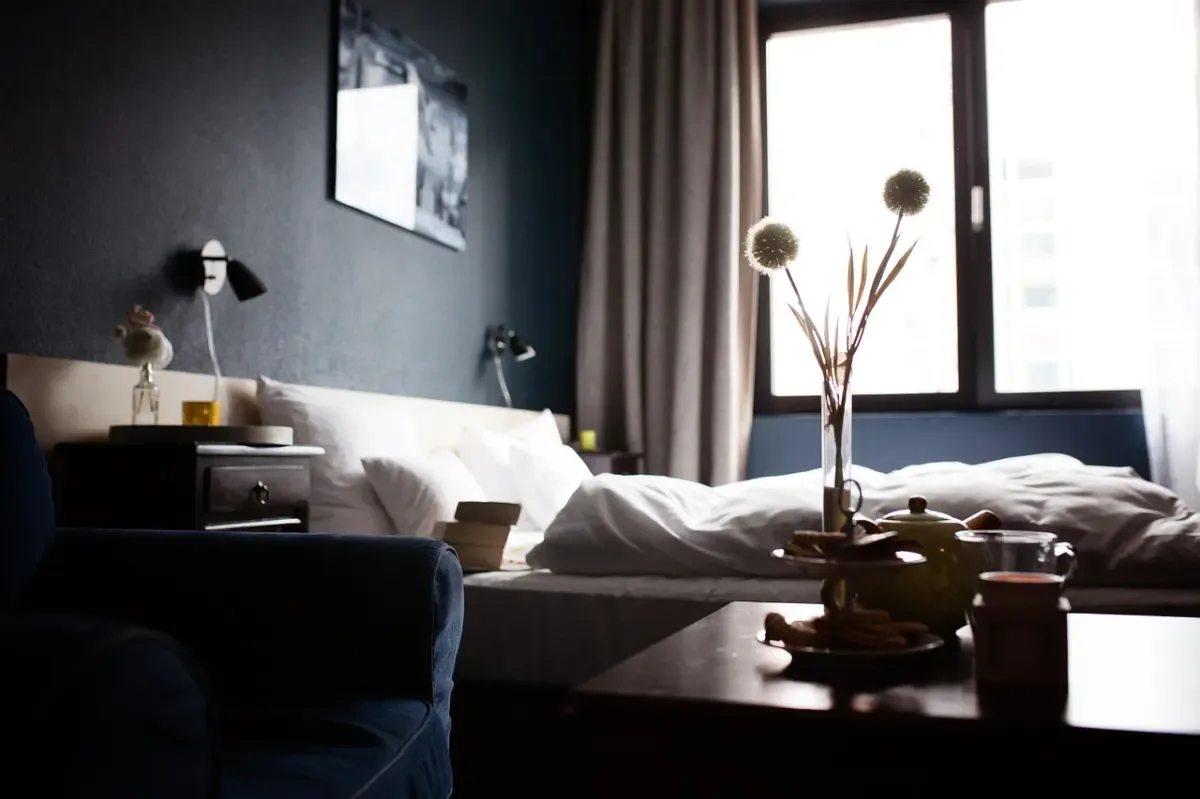
- Avalon Waterways: Famous for their Panorama Suites with wall to wall, floor to ceiling windows that convert your entire cabin into an open air balcony.
- Uniworld: The luxury leader, with ornately decorated ships, butler service and Michelin inspired cuisine.
- Emerald Cruises: A great value option that includes most excursions, drinks with meals and innovative onboard features like a heated pool with a retractable roof.
Tips for Booking Your 2026 River Cruise
River cruise ships are small, and the best cabins sell out quickly. Here are some practical tips:
- Book early for the best cabin selection and early booking discounts, often 10 to 20 percent off.
- Consider shoulder season (April, May, September, October) for lower prices and fewer crowds.
- Mid ship cabins offer the smoothest ride and least engine noise.
- French balcony vs. full balcony: A French balcony is a floor to ceiling window that opens but has no step out space. Full balconies are available on some lines at a premium.
- Travel insurance is essential. River levels can fluctuate, occasionally requiring itinerary changes or bus transfers between ports.
What to Pack for a River Cruise
River cruises are more casual than ocean cruises. Daytime attire is smart casual, and evenings are typically "elegant casual," meaning no formal nights. Pack comfortable walking shoes for excursions, layers for variable weather and a light rain jacket. Most lines have onboard laundry service if you want to pack light.
Final Thoughts
A European river cruise in 2026 is one of the most rewarding ways to experience the continent. You will cover incredible ground without the hassle of airports, hotel check ins or navigating unfamiliar roads. Whether you choose the castle lined Rhine, the wine soaked Douro or the gastronomic Rhone, you are in for an unforgettable journey.
Start planning now, lock in early booking rates and get ready for a voyage that blends luxury, culture and breathtaking scenery in a way that only river cruising can deliver.
What to Pack for a European River Cruise
River cruises are more relaxed than ocean voyages, but smart packing makes a difference. Bring comfortable walking shoes for cobblestone streets during port excursions, a light rain jacket, and layers for variable weather along the river. Most ships have a casual dress code during the day, with one or two evenings calling for smart casual attire. Leave the formal gown at home.
A small daypack is invaluable for carrying water, a camera, and souvenirs during shore stops. Power adapters for European outlets are a must, and a portable battery pack keeps your phone charged during long days exploring cities like Vienna, Budapest, or Strasbourg.
How to Choose the Right River Cruise Line
Each cruise line has a personality. Viking appeals to culture-focused travelers with included excursions and onboard lectures. AmaWaterways leans into active experiences with guided bike rides and hiking. Uniworld offers a more luxurious atmosphere with boutique hotel-style decor and all-inclusive pricing. For budget-conscious travelers, Avalon Waterways balances quality and value with panoramic window cabins at competitive rates.
Consider the itinerary length too. First-timers often enjoy a 7-night Danube or Rhine cruise, while experienced river cruisers might prefer a longer 14-night voyage combining multiple rivers. If you are looking for other luxury travel experiences on rails instead of water, our luxury train journeys guide offers a wonderful alternative. And for travelers who prefer to drive through Europe's countryside, our South of France road trip guide covers similar scenic territory at your own pace.
Frequently Asked Questions
When is the best time for a European river cruise? Late spring (May to June) and early fall (September to October) offer mild weather and fewer crowds. Christmas market cruises in December are also incredibly popular.
Are river cruises good for first-time cruisers? Absolutely. The intimate ship size (typically 100 to 190 passengers), calm waters, and included excursions make river cruising one of the easiest and most rewarding ways to explore Europe.


Comments (0)
Leave a Comment