
Barcelona: A Street Food Paradise
Barcelona is a city that eats well. Really well. While the Catalan capital is famous for its Gaudi architecture, Mediterranean beaches, and electric nightlife, its food scene is what truly sets it apart. From bustling markets overflowing with fresh produce to tiny tapas bars tucked into Gothic Quarter alleyways, Barcelona street food culture is a feast for all the senses.
This guide takes you on a culinary tour of the city best street food, market stalls, and casual eateries where locals and visitors alike come together over incredible food.
La Boqueria Market: The Crown Jewel
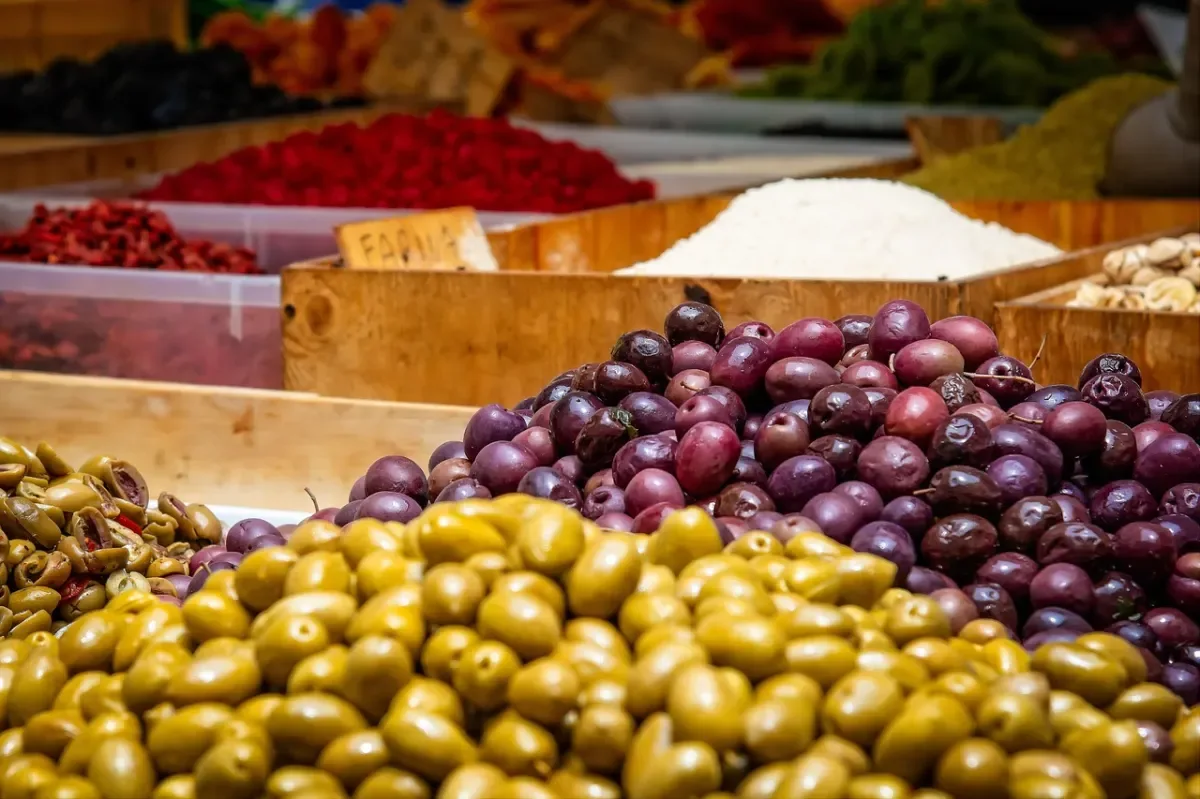
Mercat de la Boqueria, located right off La Rambla, is one of the most famous food markets in the world, and it lives up to every bit of its reputation. Walking through its entrance, you are hit with a kaleidoscope of colors: pyramids of tropical fruit, glistening piles of seafood, rows of cured meats, and stalls serving fresh juices in every shade of the rainbow.
What to Eat at La Boqueria
- Fresh fruit smoothies: Every stall offers them, and they cost 2 to 4 euros for a generous cup of blended tropical goodness
- Seafood cones: Paper cones filled with fried calamari, prawns, or mixed seafood, perfect for eating while you walk
- Jamon iberico: Spain legendary cured ham, sliced paper thin and melting on your tongue
- Bacalao (salt cod) croquettes: Crispy on the outside, creamy on the inside
- Fresh oysters: Several stalls shuck them to order, served with a squeeze of lemon
Insider tip: Avoid the stalls right at the entrance, which tend to be pricier and cater to tourists. Walk deeper into the market for better prices and more authentic experiences.
Mercat de Sant Josep and Beyond: Other Markets Worth Visiting
Mercat de Santa Caterina
Less touristic than La Boqueria, Santa Caterina is a stunning market in the Born neighborhood with a colorful, wave shaped roof. The stalls here cater more to locals, which means better prices and a more authentic atmosphere. The market restaurant, Cuines Santa Caterina, serves excellent seasonal dishes at reasonable prices.
Mercat de Sant Antoni
Recently renovated, Sant Antoni is a beautiful iron and glass market in the Eixample neighborhood. On Sundays, a massive outdoor book and coin market surrounds the building. Inside, you will find excellent produce, butchers, fishmongers, and several casual food counters serving everything from vermouth and olives to grilled meats.
Essential Barcelona Street Foods to Try
Patatas Bravas
Patatas bravas are arguably Barcelona most iconic street food. Crispy fried potato cubes are topped with a spicy red bravas sauce and sometimes aioli (garlic mayonnaise). Every bar has its own version, and debates about who makes the best bravas are a local pastime. Some top spots include Bar Tomas in Sarria, Cerveceria Catalana in Eixample, and La Cova Fumada in Barceloneta.
Pan con Tomate (Pa amb Tomaquet)
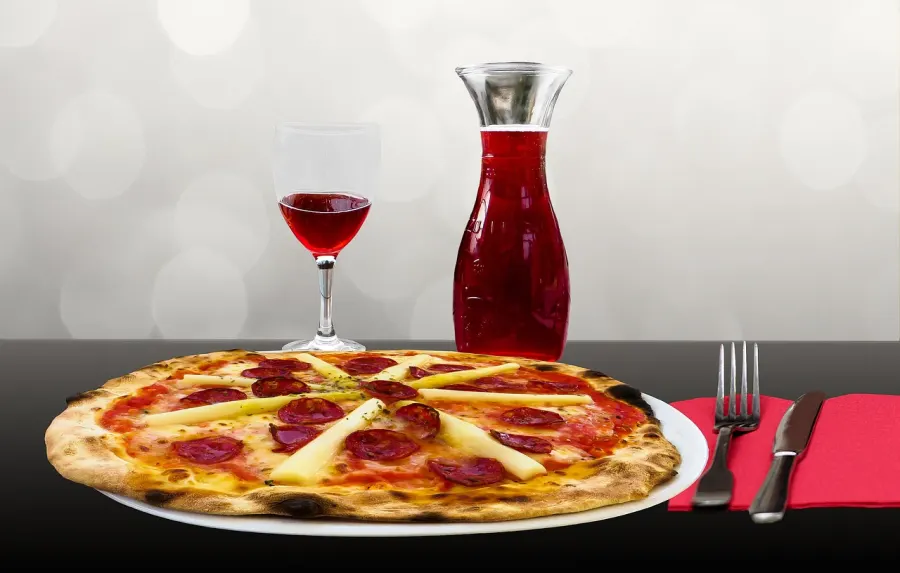
Simple, perfect, and quintessentially Catalan. Pan con tomate is toasted bread rubbed with ripe tomato, drizzled with olive oil, and sprinkled with salt. It sounds basic, but when made with quality ingredients, it is transcendent. You will find it at virtually every restaurant and tapas bar in the city, and it is the ideal accompaniment to cured meats and cheese.
Bombas
Originating from the Barceloneta neighborhood, bombas are large, round potato croquettes filled with spiced meat, deep fried, and served with spicy sauce and aioli. The name reportedly comes from the bombs thrown during the Spanish Civil War, and these flavor bombs are equally explosive. La Cova Fumada claims to have invented them.
Churros con Chocolate
For a sweet treat, nothing beats churros con chocolate. These crispy fried dough sticks are dusted with sugar and served with a cup of thick, dark hot chocolate for dipping. The best churrerias in Barcelona include Xurreria Trebol near La Boqueria and Granja Viader in the Raval neighborhood.
Pintxos
While pintxos (small bites on bread skewered with a toothpick) originate from the Basque Country, Barcelona has enthusiastically adopted this tradition. Several bars in the Born and Gothic Quarter neighborhoods lay out elaborate pintxos spreads, and you simply grab what looks good and pay by the toothpick at the end. This is one of the most fun and affordable ways to eat in the city.
Neighborhood Food Walks
El Born
The Born neighborhood is a treasure trove for food lovers. Its narrow medieval streets are lined with wine bars, artisan bakeries, and creative tapas restaurants. Do not miss the Passeig del Born, a tree lined boulevard that comes alive in the evening with outdoor dining and cocktail bars.
Barceloneta
The old fishing quarter of Barceloneta is the place for seafood. Beach shack restaurants (chiringuitos) serve grilled sardines, paella, and fried fish with views of the Mediterranean. For a more upscale experience, try the seafood restaurants along Passeig Joan de Borbo.
To explore even more of Barcelona culinary and cultural offerings, discover the best tours in Barcelona including guided food walks that take you to hidden gems most visitors never find.
Gracia
This bohemian neighborhood feels like a small village within the city. Placa del Sol and the surrounding streets are packed with eclectic restaurants, from Middle Eastern falafel joints to traditional Catalan taverns. Gracia is also known for its craft beer scene, with several excellent microbreweries.
The Vermouth Hour: A Barcelona Tradition
One of Barcelona most beloved food traditions is the hora del vermut (vermouth hour), typically enjoyed on weekend mornings or early afternoons. Head to a traditional bar, order a glass of house vermouth on the rocks with an olive and a slice of orange, and pair it with a plate of olives, anchovies, or conservas (tinned seafood). It is a relaxed, social ritual that captures the essence of Barcelona laid back lifestyle.
Where to Find the Best Paella
A word of caution: avoid the paella restaurants on La Rambla. Most serve mediocre, overpriced versions aimed at tourists. Instead, seek out these spots for authentic paella:
- Can Paixano (La Xampanyeria): Known for its cava and casual vibe
- Restaurante Martinez: Perched on Montjuic hill with panoramic city views
- Can Sole: A Barceloneta institution since 1903
- El Cangrejo Loco: Waterfront seafood paella at the Olympic Port
Remember that traditional Valencian paella uses rabbit and snails, not seafood. The seafood version popular in Barcelona is technically called "arroz a banda" or "fideuá" (made with short noodles instead of rice). Both are delicious.
Sweet Endings: Barcelona Desserts and Pastries
- Crema Catalana: The Catalan version of creme brulee, with a perfectly caramelized sugar top
- Xuixo: A deep fried pastry filled with crema Catalana, originally from Girona but beloved in Barcelona
- Mel i mato: Fresh cheese drizzled with honey, a simple but addictive dessert
- Gelato: Barcelona gelaterias rival those in Italy, with creative flavors like saffron, turron, and olive oil
Practical Tips for Food Lovers in Barcelona
- Eat on local time: Lunch is 1:30 to 3:30 PM and dinner starts at 9 PM. Eating earlier marks you as a tourist.
- Look for "menu del dia": Many restaurants offer a fixed price lunch menu (10 to 15 euros) that includes a starter, main, dessert, drink, and bread.
- Tipping: Not expected but appreciated. Rounding up or leaving 5 to 10 percent is generous.
- Learn a few words in Catalan: "Gracies" (thank you) and "si us plau" (please) go a long way.
- Visit the Sagrada Familia before or after a food tour to combine two of Barcelona greatest attractions in one day.
Final Thoughts
Barcelona street food scene is a reflection of the city itself: vibrant, creative, deeply rooted in tradition, and always evolving. Whether you are crunching into patatas bravas at a corner bar, slurping a smoothie at La Boqueria, or savoring pintxos in a candlelit wine bar, every bite tells a story. Come hungry, eat widely, and let Barcelona incredible flavors guide your journey through this extraordinary city.
Neighborhood Food Walks Worth Your Time
While La Boqueria gets all the attention, some of the best street food in Barcelona hides in neighborhoods most tourists never visit. Poble-sec, at the foot of Montjuic, is packed with tiny tapas bars along Carrer de Blai where each pintxo costs just 1 to 2 euros. You can hop from bar to bar, sampling everything from grilled octopus to Manchego cheese with quince paste, without spending more than 15 euros total.
In the Gracia neighborhood, the atmosphere feels like a small village within the city. Local bakeries sell coca de recapte, a Catalan flatbread topped with roasted vegetables and sometimes sardines. Street corners host small vendors selling fresh churros and horchata, especially during summer evenings. For a deeper look at Barcelona's lesser-known food spots and cultural gems, our guide to hidden gems in Barcelona covers plenty of off-the-beaten-path favorites.
What to Drink With Your Street Food
Vermouth is having a massive comeback in Barcelona. Locals gather for "la hora del vermut" on weekend mornings, pairing a glass of sweet, herbal vermouth with olives, chips, and canned seafood at old-school bodegas. Try it at a traditional vermuteria in Barceloneta or El Born for the authentic experience. Clara, a mix of beer and lemon soda, is the go-to refreshment on hot afternoons. For something non-alcoholic, fresh-squeezed orange juice from market stalls costs about 2 euros and is the perfect companion to any savory snack.
Practical Tips for Street Food in Barcelona
- Eat on local time. Lunch runs from 1:30 to 3:30 PM and dinner starts no earlier than 8:30 PM. Eating at typical tourist hours means you will miss the freshest preparations.
- Carry cash in small bills. Many street vendors and small tapas bars do not accept cards, or have a minimum purchase requirement for card payments.
- Learn a few Catalan phrases. While Spanish works fine, using "gracies" (thank you) and "si us plau" (please) in Catalan earns genuine smiles from local vendors.
- Visit markets early. La Boqueria and Santa Caterina Market are best before 11 AM, when produce is freshest and the crowds are manageable.
If your travels take you to other food-focused cities, do not miss our guides to London's best food markets and street food in Bangkok for more international flavor inspiration.


Comments (0)
Leave a Comment