
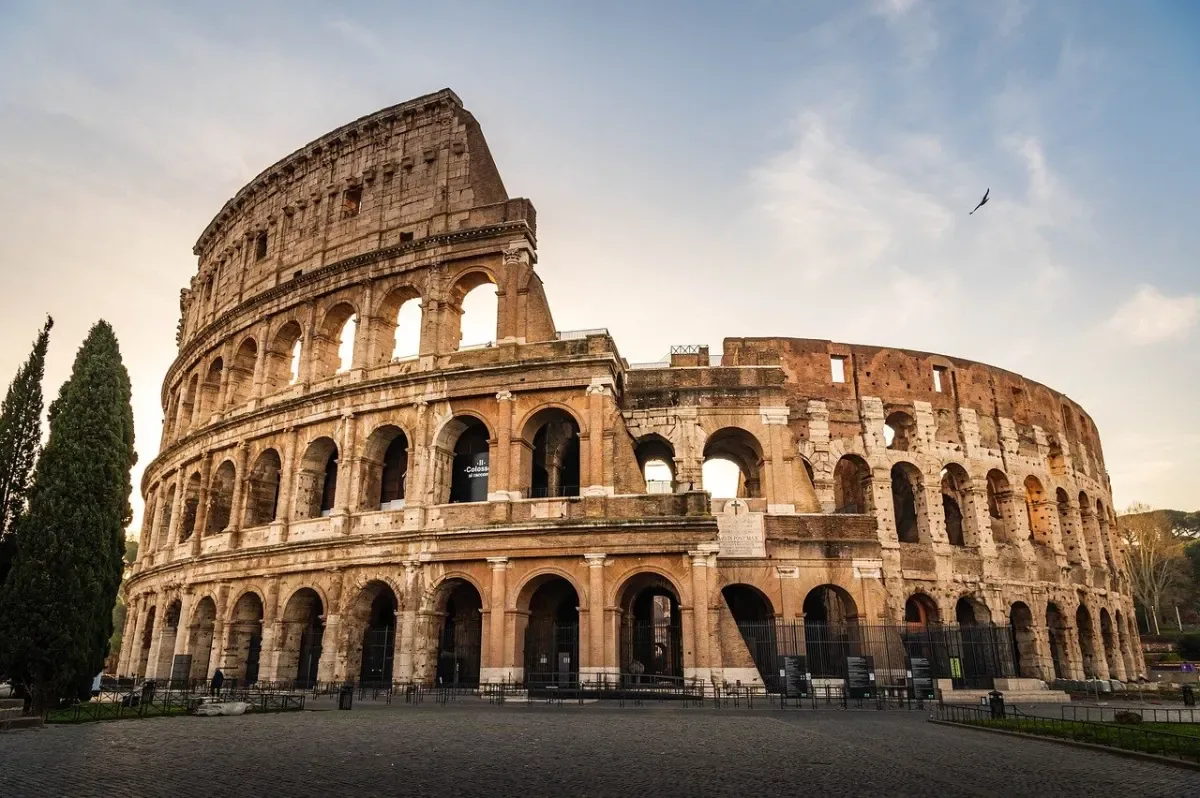
Welcome to the Eternal City
Rome is one of those cities that lives up to the hype, and then some. With nearly 3,000 years of history layered into its streets, piazzas, and ruins, the Italian capital offers a depth of experience that few cities on Earth can match. Whether you are standing in the center of the Colosseum, tossing a coin into the Trevi Fountain, or biting into a perfect cacio e pepe at a tiny trattoria, Rome has a way of making every moment feel significant.
If this is your first visit, the city can feel overwhelming. There is so much to see and do that knowing where to start is half the battle. This guide breaks down everything a first time visitor needs to know, from the must see sights to the neighborhoods where locals actually eat.
Must See Attractions in Rome
The Colosseum
No trip to Rome is complete without visiting the Colosseum, the iconic amphitheater that once hosted gladiatorial combat, wild animal hunts, and public spectacles for up to 80,000 spectators. Built in 80 AD, it remains one of the most impressive architectural achievements in human history.
Book a Colosseum tour in advance to skip the long ticket lines and gain access to restricted areas like the underground chambers where gladiators prepared for battle. A good guide brings the history to life in ways that simply reading plaques cannot match.
Tips for Visiting the Colosseum
- Book tickets online: Walk up lines can stretch for 1 to 2 hours in peak season
- Visit early morning or late afternoon: The light is better and crowds are smaller
- Combo ticket: Your Colosseum ticket also includes entry to the Roman Forum and Palatine Hill
- Wear comfortable shoes: The uneven ancient stone floors are tough on feet
The Roman Forum and Palatine Hill
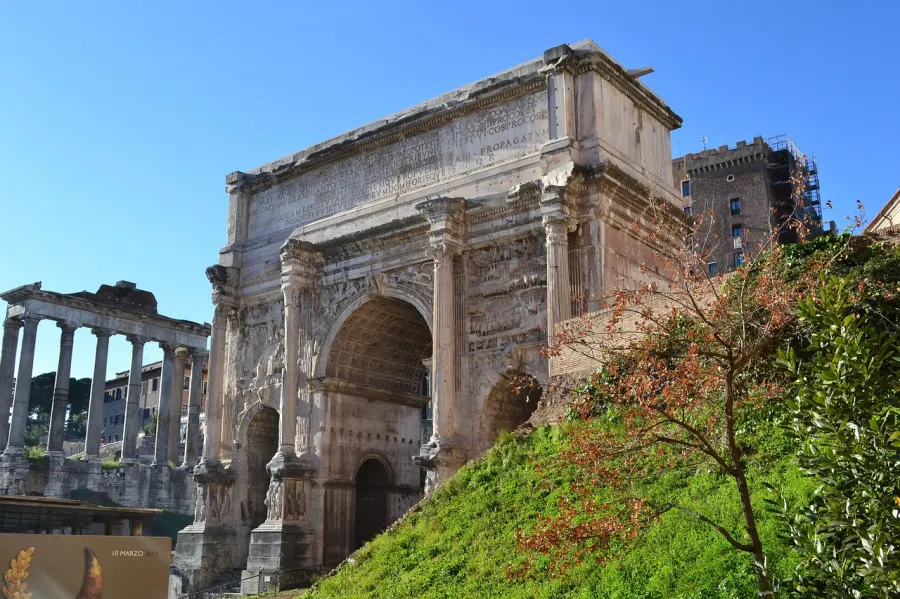
Right next to the Colosseum, the Roman Forum was the center of political, religious, and commercial life in ancient Rome. Walking among the ruined temples, arches, and senate buildings gives you a visceral connection to the civilization that shaped the Western world. Palatine Hill, rising above the Forum, offers the best views of the area and is where legend says Romulus founded the city.
The Vatican
Even if you are not religious, the Vatican is an absolute must visit. St. Peter Basilica is the largest church in the world, and its art collection is staggering. The Sistine Chapel, with Michelangelo famous ceiling, is the highlight for most visitors. A guided Vatican tour is highly recommended, as it helps you navigate the massive museum complex and understand the significance of what you are seeing.
The Pantheon
The Pantheon is one of the best preserved ancient Roman buildings in the world. Its massive unreinforced concrete dome, completed in 125 AD, still holds the record as the world largest of its kind. Entry is free (though a small reservation fee was recently introduced), and standing beneath the oculus, the circular opening at the top of the dome, is a genuinely awe inspiring experience.
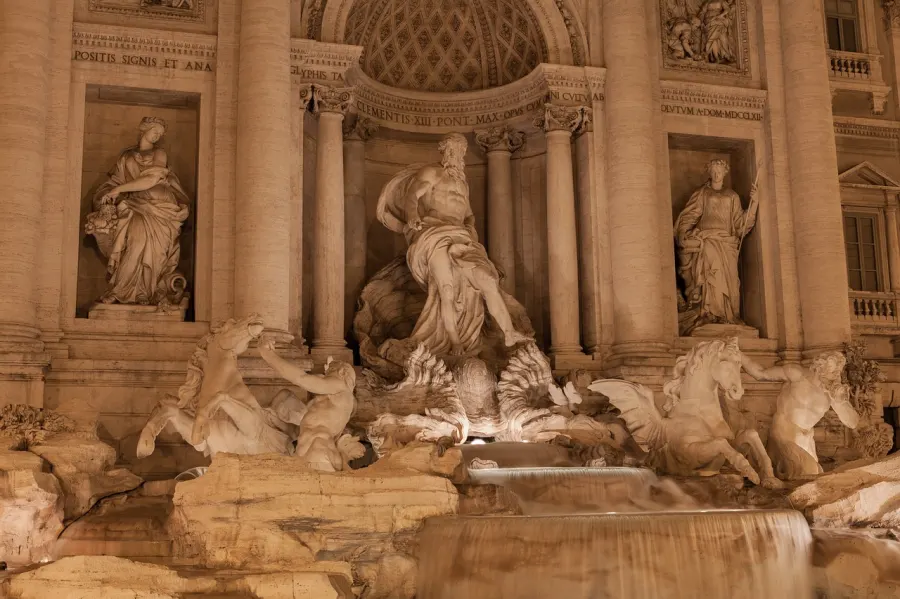
Trevi Fountain
This baroque masterpiece is one of Rome most visited landmarks. Legend says that tossing a coin over your left shoulder into the fountain guarantees your return to Rome. The fountain collects around 3,000 euros daily, which is donated to charity. Visit at night when it is beautifully illuminated and the crowds thin out.
Spanish Steps and Piazza Navona
The Spanish Steps are a monumental stairway connecting the Piazza di Spagna to the Trinita dei Monti church above. It is a great people watching spot and a good starting point for exploring the upscale shopping streets nearby. Piazza Navona, with its three stunning fountains and street performers, is one of Rome most lively squares and perfect for an evening stroll.
Best Neighborhoods for Food and Atmosphere
Trastevere
Cross the Tiber River and you will find Trastevere, Rome most charming neighborhood. Cobblestone streets, ivy covered buildings, and some of the best trattorias in the city make this the perfect place for dinner. Try Da Enzo al 29 for classic Roman pasta (expect a line, but it is worth it) or grab a slice of pizza al taglio from a local bakery.
Testaccio
Often called Rome "real" food neighborhood, Testaccio is where you will find authentic Roman cuisine without the tourist markup. This is the birthplace of dishes like coda alla vaccinara (oxtail stew) and the neighborhood market is excellent for sampling local cheeses, cured meats, and supplì (fried rice balls).
Monti
Rome hippest neighborhood, Monti is full of vintage shops, artisan boutiques, cocktail bars, and cozy wine bars. It is a great area for an evening aperitivo (the Italian version of happy hour, where drinks come with complimentary snacks).
Practical Tips for First Time Visitors
Getting Around Rome
- Walk: Rome is surprisingly walkable, and many major attractions are within 20 to 30 minutes of each other on foot
- Metro: Two main lines (A and B) that connect key areas. Single rides cost 1.50 euros
- Buses: Extensive network but can be confusing for visitors. The 40 and 64 lines are useful for getting to the Vatican
- Avoid taxis from airports without agreeing on a fixed fare first
Money Saving Tips
- Drink water from the nasoni (public drinking fountains) found throughout the city. The water is fresh, clean, and free.
- Avoid restaurants with picture menus directly facing major attractions. Walk one or two blocks away for better food at lower prices.
- Standing at the bar for coffee is significantly cheaper than sitting at a table in Italy.
- Free churches with incredible art are everywhere. Santa Maria del Popolo and San Luigi dei Francesi (home to Caravaggio paintings) are must visits.
What to Eat in Rome
Roman cuisine is simple, bold, and deeply satisfying. The four iconic Roman pasta dishes are:
- Cacio e pepe: Pecorino cheese and black pepper
- Carbonara: Egg, pecorino, guanciale (cured pork cheek), and black pepper
- Amatriciana: Tomato sauce with guanciale and pecorino
- Gricia: Guanciale and pecorino without tomato
Also try supplì (fried rice balls), pizza al taglio (pizza by the slice), and finish every meal with a gelato from an artisan gelateria.
Safety in Rome
Rome is generally very safe for tourists, but pickpocketing is common in crowded areas like the Metro, Colosseum, and Trevi Fountain. Keep your belongings secure, use a crossbody bag, and be wary of common scams like the "friendship bracelet" trick near tourist sites.
How Many Days Do You Need in Rome?
A minimum of 3 to 4 days allows you to see the major highlights without feeling rushed. With 5 to 7 days, you can add day trips to places like Pompeii, Tivoli, or Florence, and truly soak in the Roman pace of life. Remember, Rome was not built in a day, and it certainly cannot be explored in one either.
Final Thoughts
Rome is a city that rewards the curious traveler. Beyond the famous landmarks lies a living, breathing city where ancient history meets modern Italian life in the most beautiful way. Take your time, eat well, walk slowly, and let the Eternal City work its magic on you. You will leave with a full heart, a full stomach, and an unshakable desire to return.
Getting Around Rome Like a Local
Rome's public transportation system is affordable and straightforward once you understand the basics. The Metro has three lines (A, B, and B1), and a single ticket costs just 1.50 euros. If you are staying for a few days, grab a 72-hour travel pass for 18 euros, which covers unlimited rides on the metro, buses, and trams. Most major attractions, including the Colosseum, Vatican, and Spanish Steps, sit within walking distance of a metro stop.
That said, walking is the best way to experience Rome. The city reveals its magic in the narrow cobblestone alleys, hidden piazzas, and unexpected fountains that you would never find from a bus window. Wear comfortable shoes with good support, because Roman streets are tough on flimsy sandals. Taxis are regulated and metered, with set fares from the airports to the city center (48 euros from Fiumicino, 31 euros from Ciampino).
Where to Eat Without Falling Into Tourist Traps
Eating well in Rome does not require spending a fortune, but it does require knowing where to look. Avoid restaurants with picture menus displayed outside, staff standing at the door trying to lure you in, or locations directly facing major landmarks. These are almost always overpriced and underwhelming.
Instead, head to neighborhoods like Trastevere, Testaccio, and Monti for authentic trattorias where Romans actually eat. In Testaccio, try classic dishes like cacio e pepe (pecorino and black pepper pasta) and supplì (fried rice balls stuffed with mozzarella). For the best pizza al taglio (pizza by the slice), follow the locals to Bonci Pizzarium near the Vatican. For more tips on avoiding overpriced tourist spots, check out our guide on how to avoid tourist traps.
Safety Tips for First-Time Visitors
- Watch for pickpockets on crowded buses (especially line 64 to the Vatican) and around major tourist sites. Keep your belongings in a front pocket or crossbody bag.
- Carry a refillable water bottle. Rome has over 2,500 free public drinking fountains called "nasoni" that flow with fresh, clean water throughout the city.
- Be cautious with street vendors who offer friendship bracelets or roses. They often demand payment afterward.
- Cross streets confidently. Roman drivers are aggressive but skilled. Make eye contact, step out at a steady pace, and they will stop.
Day Trips Worth Taking From Rome
If you have extra days in your itinerary, several incredible destinations sit within easy reach of Rome by train. Pompeii and Naples are about 70 minutes south on the high-speed train, giving you a full day to explore the ancient ruins and grab an authentic Neapolitan pizza. Florence is just 90 minutes north, perfect for a day of Renaissance art and Tuscan food. For a quieter escape, the hilltop town of Orvieto is 60 minutes away and offers stunning cathedral views, underground caves, and local white wine. If a wine-focused trip appeals to you, consider reading our Tuscany wine country road trip guide. And if you are planning to visit the Vatican during your stay, our guide to visiting the Vatican without crowds will help you skip the longest lines.


Comments (0)
Leave a Comment