
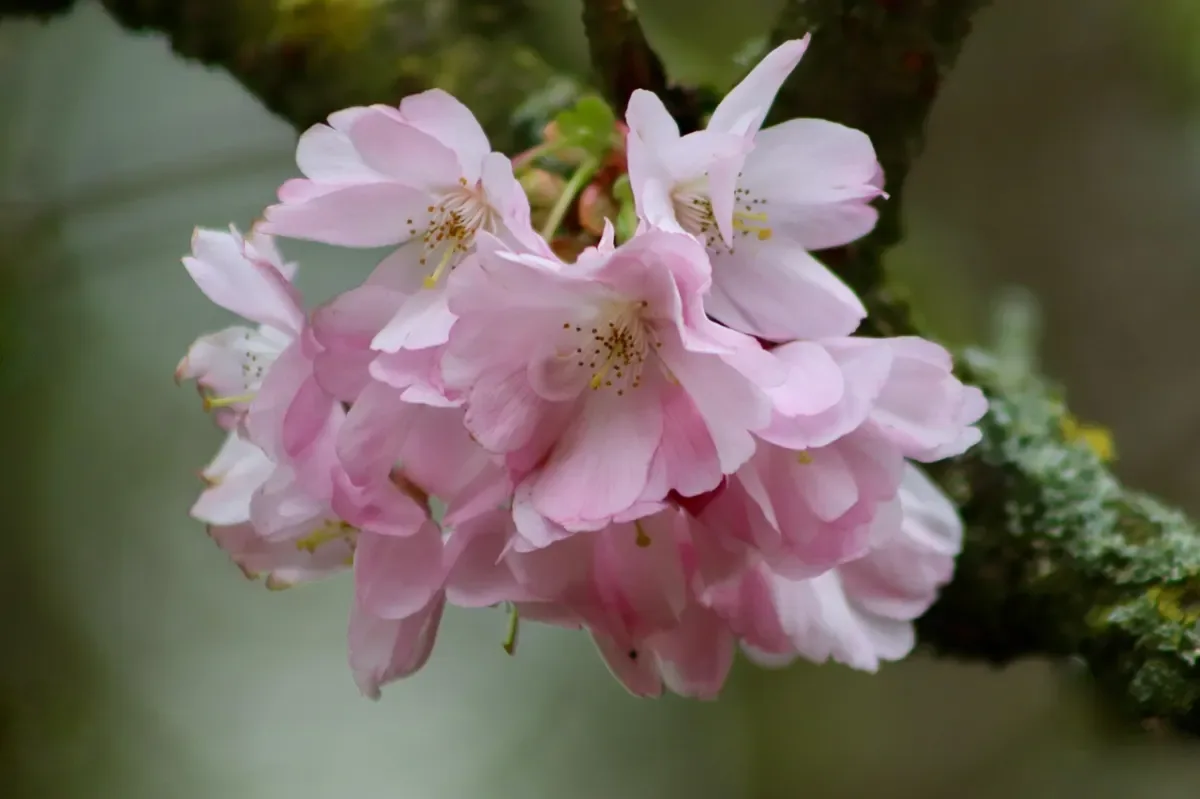
Why Japan During Cherry Blossom Season Is Unforgettable
Few natural spectacles rival the sight of cherry blossoms (sakura) sweeping across Japan each spring. From late March through mid April, delicate pink and white petals transform parks, temples, river banks and mountainsides into living watercolor paintings. Millions of visitors and locals alike gather beneath the canopy for hanami, the centuries old tradition of flower viewing, picnicking and celebrating the fleeting beauty of spring.
A two week trip gives you the ideal window to chase the bloom from south to north, experience world class cuisine, soak in hot springs and explore ancient temples alongside neon lit cities. This itinerary balances iconic highlights with lesser known stops so you get the best of both worlds.
When Exactly Do the Cherry Blossoms Bloom?
The sakura front (cherry blossom forecast) typically begins in southern Kyushu around late March and moves northward through Honshu over the following weeks. In most years:
- Tokyo: Late March to early April
- Kyoto and Osaka: Late March to mid April
- Hiroshima: Late March to early April
- Hokkaido: Late April to mid May
Check the Japan Meteorological Corporation forecast a few weeks before your trip to fine tune your schedule. Flexibility of even two to three days can make all the difference between bare branches and peak bloom.
Days 1 to 4: Tokyo, Where Tradition Meets the Future
Day 1: Arrive and Settle In
Fly into Narita or Haneda Airport and activate your Japan Rail Pass at the airport JR counter. Take the Narita Express or monorail to your hotel in Shinjuku or Shibuya. Spend the evening strolling through Shinjuku Gyoen National Garden, one of Tokyo's top sakura spots with over 1,000 cherry trees spanning early and late blooming varieties.
Day 2: Classic Tokyo Sightseeing
Start at Senso ji Temple in Asakusa, Tokyo's oldest temple. Walk through Nakamise shopping street for traditional snacks. Head to Ueno Park for another legendary cherry blossom viewing spot where locals spread blue tarps for all day hanami parties. In the afternoon, explore the Akihabara electronics district or visit the teamLab digital art museums.
Day 3: Shibuya, Harajuku and Meguro River
Cross the famous Shibuya Crossing, browse quirky fashion in Harajuku and walk Takeshita Street. In the afternoon, stroll along the Meguro River, arguably Tokyo's most photogenic sakura tunnel, where 800 trees line both banks and petals drift downstream like pink snow.
Day 4: Day Trip to Kamakura
Take a one hour train ride south to Kamakura, home of the towering Great Buddha statue and beautiful coastal hiking trails. Visit Tsurugaoka Hachimangu Shrine flanked by cherry trees and grab fresh seafood at Komachi dori street. Return to Tokyo for a farewell dinner in Ginza.
Days 5 to 8: Kyoto, the Cultural Heart of Japan
Day 5: Bullet Train to Kyoto
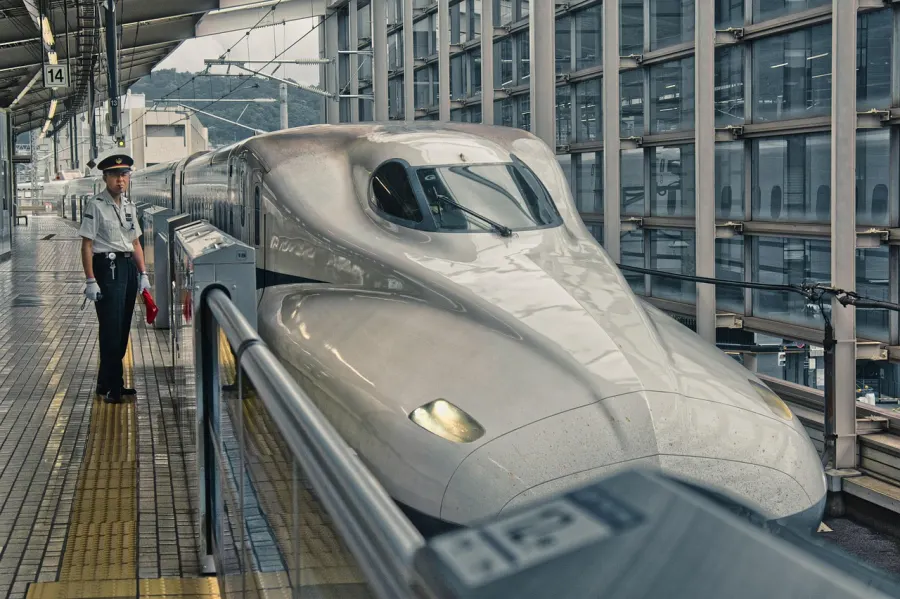
Ride the Shinkansen from Tokyo Station to Kyoto in just over two hours. Drop your bags and head straight to Maruyama Park, Kyoto's most popular hanami spot. The weeping cherry tree at the center is illuminated at night and makes a breathtaking first impression.
Day 6: Temples and Bamboo
Begin at Kinkaku ji (Golden Pavilion), then walk to Ryoan ji for its famous rock garden. In the afternoon, visit the Arashiyama Bamboo Grove and nearby Tenryu ji Temple. End the day with a boat ride on the Hozu River surrounded by blossoming hillsides.
Day 7: Philosopher's Path and Fushimi Inari
Walk the Philosopher's Path, a two kilometer canal side trail lined with hundreds of cherry trees connecting Ginkaku ji to Nanzen ji. This is peak sakura at its most serene. In the afternoon, hike the iconic Fushimi Inari Shrine with its thousands of vermillion torii gates winding up the mountainside.
Day 8: Nara Day Trip
Take a 45 minute train to Nara to meet the friendly bowing deer in Nara Park and see the massive bronze Buddha inside Todai ji Temple. Cherry blossoms frame the ancient temples beautifully. Return to Kyoto for a kaiseki dinner in the Gion district.
Days 9 to 10: Osaka, Street Food Capital
Take the 15 minute train from Kyoto to Osaka. Head straight to Osaka Castle, surrounded by a moat and over 3,000 cherry trees, one of the most impressive sakura views in all of Japan.
Spend the evening in Dotonbori, Osaka's legendary street food district. Try takoyaki (octopus balls), okonomiyaki (savory pancakes) and fresh sushi. The neon signs, canal reflections and buzzing energy make this Japan's most exciting food street.
On your second day, explore the trendy Shinsekai neighborhood, visit the Sumiyoshi Taisha Shrine and shop in the Shinsaibashi arcade. If you want a guided food experience, explore tours and experiences on Viator for curated Osaka food walks.
Days 11 to 12: Hiroshima and Miyajima Island
Take the Shinkansen west to Hiroshima. Visit the Peace Memorial Park and Museum, a deeply moving experience. Walk past the Atomic Bomb Dome and the memorial cenotaph. In the afternoon, take the ferry to Miyajima Island to see the famous floating torii gate of Itsukushima Shrine.
Stay overnight on Miyajima if possible. Cherry trees line the approach to the shrine and the island empties after day trippers leave, offering magical sunset and sunrise views. Try the local specialty, momiji manju (maple leaf shaped cakes).
Days 13 to 14: Hidden Gem and Departure
Day 13: Kanazawa or Takayama
For a lesser known gem, take the train to Kanazawa on the Sea of Japan coast. Visit Kenroku en, one of Japan's three great gardens, stunningly beautiful during cherry blossom season. Explore the samurai and geisha districts and the 21st Century Museum of Contemporary Art. Alternatively, head to Takayama in the Japanese Alps for charming Edo period streets and sake breweries.
Day 14: Return to Tokyo and Depart
Take the Shinkansen back to Tokyo for any last minute shopping in Shibuya or Akihabara. Pick up souvenirs at Tokyo Station's massive underground mall before heading to the airport.
Budget Tips for Two Weeks in Japan
- Japan Rail Pass: A 14 day pass costs around $420 and pays for itself after two or three long distance Shinkansen rides
- Accommodation: Mix business hotels ($60 to $100 per night) with traditional ryokans ($150+) for cultural immersion
- Food: Convenience store onigiri and bento boxes are delicious and cost $3 to $6. Budget $30 to $50 per day for meals
- Cherry blossom viewing: Completely free in all parks and temple grounds
- Total budget: Expect $2,500 to $4,500 per person for two weeks including flights from North America
Essential Packing List for Spring in Japan
Spring weather in Japan can be unpredictable. Daytime temperatures range from 10 to 20 degrees Celsius (50 to 68 Fahrenheit), with cool evenings and occasional rain.
- Light layers and a packable rain jacket
- Comfortable walking shoes (you will average 15,000+ steps per day)
- Portable Wi-Fi or SIM card for navigation
- A small picnic blanket for hanami
- Camera with a good zoom lens for blossom photography
Photography Tips for Cherry Blossom Season
Golden hour (early morning and late afternoon) provides the warmest light for sakura photos. Visit popular spots like Meguro River or the Philosopher's Path before 7 AM to avoid crowds. Night illuminations at temples like Kiyomizu dera and parks like Maruyama create dramatic, moody compositions. Use a wide aperture (f/2.8 or lower) to create soft bokeh backgrounds with individual blossoms in focus.
Final Thoughts
Two weeks in Japan during cherry blossom season is a once in a lifetime experience that blends natural beauty, rich history, incredible food and warm hospitality. Whether you are photographing sakura tunnels, savoring a bowl of ramen in a tiny Osaka alley or watching petals float across a temple pond in Kyoto, every day delivers something magical. Book early, stay flexible with your dates and prepare to fall deeply in love with Japan.
For the best guided tours and travel experiences worldwide, browse top-rated activities on Viator.
What to Eat During Cherry Blossom Season
Cherry blossom season in Japan brings a wave of seasonal treats you will not find any other time of year. Look for sakura mochi, a pink rice cake wrapped in a pickled cherry leaf, at convenience stores and traditional wagashi shops. Sakura-flavored lattes, ice cream, and even Kit Kats appear on shelves starting in late February. Street vendors near popular hanami spots sell yakitori, takoyaki, and warm dango skewers that pair perfectly with an afternoon under the trees.
Department store basements, called depachika, are goldmines for beautifully packaged seasonal sweets that double as souvenirs. Many restaurants also run limited cherry blossom menus featuring delicate dishes with edible flowers and spring vegetables.
Getting Around During Peak Season
The Japan Rail Pass remains one of the best deals for covering long distances between cherry blossom hotspots. Reserve seats on the Shinkansen as early as possible, because trains fill up fast during Golden Week and peak bloom weekends. Within cities like Kyoto, consider renting a bicycle to avoid crowded buses. Early morning visits to popular temples like Kiyomizu-dera and Philosopher's Path will reward you with smaller crowds and softer light for photos. For more tips on capturing those moments, read our travel photography guide. And if you love exploring food scenes while abroad, our Tokyo food guide is a perfect companion to your Japan trip.
Souvenirs to Bring Home
Pick up handcrafted tenugui cloths, sakura-themed ceramics, and matcha powder from local tea shops. These lightweight souvenirs capture the spirit of cherry blossom season and make thoughtful gifts for friends and family back home.

Comments (0)
Leave a Comment