
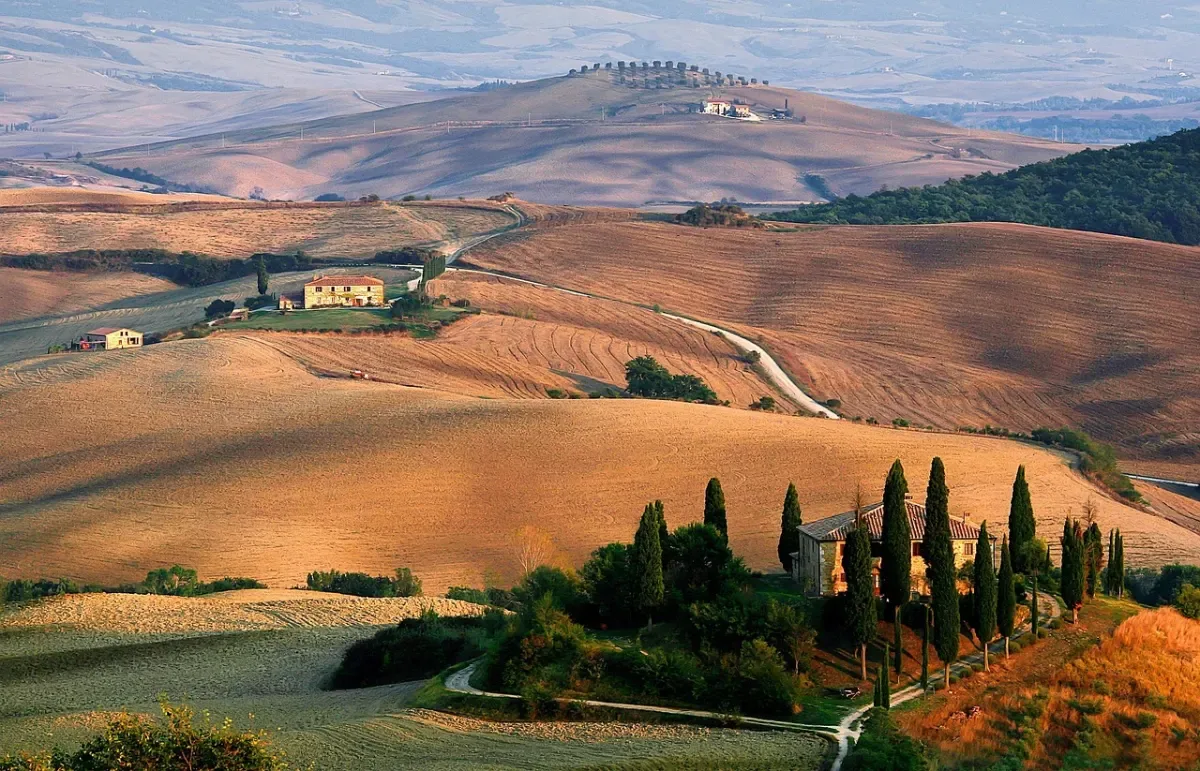
Few destinations in the world combine natural beauty, culinary excellence and cultural richness quite like Tuscany. A road trip through this legendary Italian region is a feast for every sense, from the golden light spilling over vineyard covered hills to the aroma of freshly made pasta drifting from a family run trattoria.
This guide will take you through the best stops on a Tuscany wine country road trip, including the magnificent city of Florence, charming hilltop towns and some of the finest wineries in Italy.
Starting Your Tuscany Road Trip: Florence
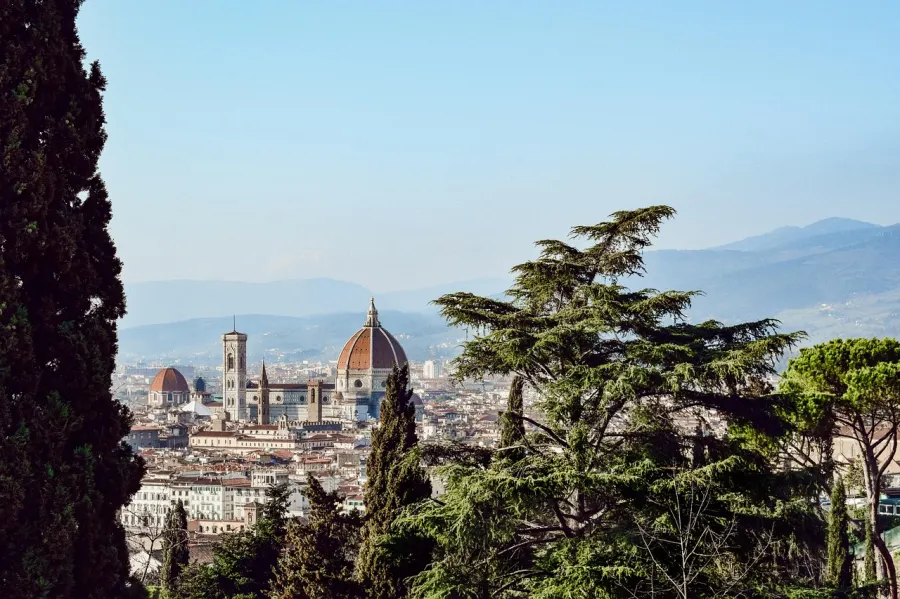
Florence is the natural starting point for any Tuscany adventure. This Renaissance masterpiece is home to some of the world is most important art, architecture and food. Plan to spend at least two full days here before heading into the countryside.
Must see attractions in Florence:
- The Uffizi Gallery, housing works by Botticelli, Leonardo da Vinci and Michelangelo
- The Duomo (Cathedral of Santa Maria del Fiore) and its stunning Brunelleschi dome
- Ponte Vecchio, the iconic bridge lined with gold and jewelry shops
- The Accademia Gallery, home to Michelangelo is David
- San Lorenzo Market for leather goods and local food products
Florence is a walking city, and getting lost in its narrow streets is part of the experience. Stop for gelato at every opportunity, try a lampredotto sandwich from a street cart and end each evening with an aperitivo overlooking the Arno River.
To make the most of your time, explore guided tours and experiences in Florence that give you skip the line access to popular attractions and insider knowledge from local guides.
Day 3 to 4: The Chianti Wine Region
Leaving Florence, drive south into the heart of Chianti Classico country. The SS222, known as the Chiantigiana, is one of the most beautiful drives in Italy. Winding through vineyards, olive groves and medieval villages, this road connects Florence to Siena through some of Tuscany is most picturesque landscape.
Best stops in Chianti:
- Greve in Chianti: A charming town with a triangular piazza, wine shops and the famous Macelleria Falorni butcher shop. Visit on Saturday morning for the weekly market.
- Castellina in Chianti: A hilltop town with underground medieval passageways and panoramic views of the surrounding vineyards.
- Radda in Chianti: One of the most authentic Chianti villages, with stone walls, a beautiful church and excellent small wineries nearby.
Wine Tasting in Chianti
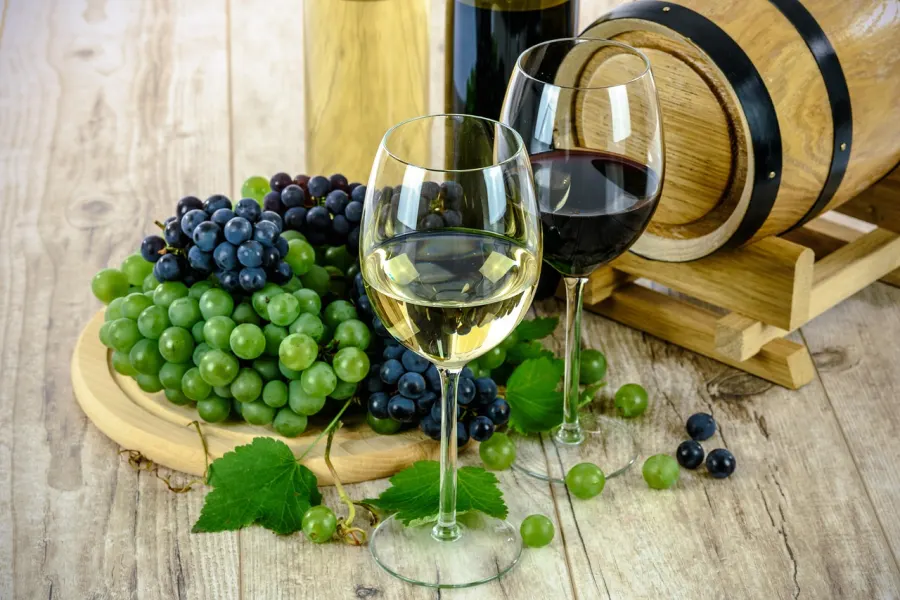
Chianti Classico is the star here, made primarily from Sangiovese grapes. Most wineries offer tastings by appointment, typically costing 15 to 40 euros per person. Many include tours of the cellars and food pairings with local cheeses, cured meats and olive oil.
Some recommended wineries include Castello di Verrazzano, Antinori nel Chianti Classico and Badia a Coltibuono. Booking ahead is essential, especially during summer and harvest season (September and October).
Day 5: Siena and Its Medieval Charm
Siena is one of Italy is best preserved medieval cities and a highlight of any Tuscany road trip. Its fan shaped Piazza del Campo is considered one of the most beautiful squares in Europe, and the city is Gothic architecture creates an atmosphere that feels like stepping back in time.
Top things to do in Siena:
- Walk around Piazza del Campo and climb the Torre del Mangia for sweeping views
- Visit the stunning Siena Cathedral (Duomo di Siena) with its intricate marble facade
- Explore the contrade (neighborhood districts) and learn about the famous Palio horse race
- Try local specialties like pici pasta, ribollita soup and panforte (spiced fruit cake)
Siena is compact enough to explore in a single day, though you could easily spend longer. The city has a wonderful evening atmosphere, with locals gathering in the piazza as the sun sets.
Day 6 to 7: Montalcino and the Val d Orcia
South of Siena lies the Val d Orcia, a UNESCO World Heritage landscape of rolling hills, cypress lined roads and golden wheat fields. This is the Tuscany you see on postcards and in movies, and it produces some of Italy is most celebrated wines.
Montalcino is the home of Brunello di Montalcino, one of Italy is greatest red wines. Visit the fortress for wine tastings with panoramic views, and explore the town is many enotecas (wine bars) for tastings of both Brunello and the more affordable Rosso di Montalcino.
Pienza is a tiny Renaissance town famous for its pecorino cheese. Walk the main street, Via del Corso, sampling cheese and honey at every shop, then head to the town is edge for breathtaking views of the Val d Orcia.
Montepulciano sits on a hilltop overlooking the surrounding countryside and is known for Vino Nobile di Montepulciano. The town has underground cellars dating back centuries where you can taste wine in atmospheric, ancient settings.
Day 8: San Gimignano, the Medieval Manhattan
San Gimignano is famous for its medieval towers, which once numbered over 70. Today, 14 remain, giving the town a distinctive skyline visible from miles away. It is touristy but absolutely worth a visit.
Things to do in San Gimignano:
- Climb the Torre Grossa for the best views in town
- Try the award winning gelato at Gelateria Dondoli in the main square
- Visit the Collegiate Church with its stunning 14th century frescoes
- Taste Vernaccia di San Gimignano, the local white wine
San Gimignano is best visited early in the morning or late in the afternoon when day trip crowds have thinned. Consider staying overnight to experience the town at its most magical.
Practical Tips for Your Tuscany Road Trip
Renting a Car
A car is essential for exploring Tuscany is countryside. Rent from Florence airport or the city center, and be prepared for narrow roads, limited parking in hilltop towns and ZTL (limited traffic zones) in city centers. An automatic transmission costs slightly more but is recommended if you are not used to driving manual.
Best Time to Visit
The best months are May, June, September and October. Spring brings wildflowers and mild weather, while autumn offers harvest season, truffle festivals and golden light. July and August are hot and crowded, though still beautiful. Winter is quiet and atmospheric, with lower prices.
Where to Stay
Agriturismos (farm stays) are the quintessential Tuscany accommodation. These working farms offer rooms, often with pools and incredible views, at prices ranging from 80 to 200 euros per night. They are an authentic way to experience rural Italian life and often include homemade breakfast with fresh produce.
Budget Breakdown
A week long Tuscany road trip typically costs $1,500 to $3,000 per person, including car rental ($40 to $70 per day), accommodation ($80 to $200 per night), food ($40 to $80 per day) and wine tastings ($15 to $40 each). Fuel costs are moderate as distances are short.
For a guided experience that handles the logistics, consider booking a Tuscany day trip from Florence that includes wine tasting, lunch and visits to charming towns.
Final Thoughts
A road trip through Tuscany is one of those travel experiences that stays with you forever. The combination of extraordinary wine, incredible food, stunning landscapes and rich history creates something truly special. Take your time, stop often, talk to the locals and let the beauty of this region unfold at its own pace.
Whether you are a wine connoisseur or simply someone who appreciates beautiful places and great food, Tuscany will exceed your expectations. Start planning, pack your appetite and get ready for the Italian road trip of a lifetime.
Planning Your Tuscan Wine Route
The beauty of a Tuscan road trip is the freedom to wander at your own pace, but a loose plan will help you make the most of your time. Start in Florence and head south through the Chianti Classico region, stopping at family-run estates along the way. Most vineyards welcome walk-in visitors, but the more prestigious ones, like Antinori nel Chianti Classico, require advance reservations for tastings and cellar tours.
From Chianti, continue south to Montalcino, the home of Brunello, one of Italy's most celebrated wines. The hilltop town itself is charming, with medieval walls, a fortress offering panoramic views, and trattorias serving wild boar ragu paired with local vintages. Nearby Montepulciano produces Vino Nobile, another excellent red worth seeking out.
Where to Stay Along the Way
Tuscany is famous for its agriturismos, working farms that offer guest accommodations. These properties range from rustic rooms above olive groves to beautifully restored villas with pools overlooking the rolling hills. Staying at an agriturismo gives you a genuine connection to the land and often includes home-cooked breakfasts featuring the farm's own products. Book well in advance for summer stays, as the best properties fill up quickly.
For those who prefer a more luxurious experience, boutique hotels in towns like San Gimignano and Cortona offer spa services, fine dining, and curated wine experiences. If you are combining Italy with other European destinations, our Amalfi Coast guide pairs perfectly with a Tuscan itinerary. Wine lovers planning a honeymoon should also check our affordable European honeymoon destinations for more romantic ideas across the continent.
What to Eat in Wine Country
Tuscan cuisine is built on simplicity and quality ingredients. Look for ribollita (a hearty bread and vegetable soup), bistecca alla fiorentina (a thick-cut T-bone steak), and pici pasta with garlic and breadcrumbs. Pair every meal with local wine and finish with cantucci biscuits dipped in Vin Santo dessert wine. For more food-focused travel, read our guide to eating your way through Tokyo for a completely different culinary adventure.

Comments (0)
Leave a Comment