
How to Pack Smart for Long International Flights
Long haul flights can be an adventure or an ordeal, and the difference often comes down to how well you pack. Whether you are facing a 10 hour flight to Europe or a 16 hour journey to Southeast Asia, having the right items within arm reach can transform your experience from miserable to manageable, or even enjoyable.
After years of crossing oceans and time zones, we have distilled our packing wisdom into 10 essential tips that will help you arrive at your destination feeling refreshed, organized, and ready to explore.
1. Invest in a Quality Carry On Bag
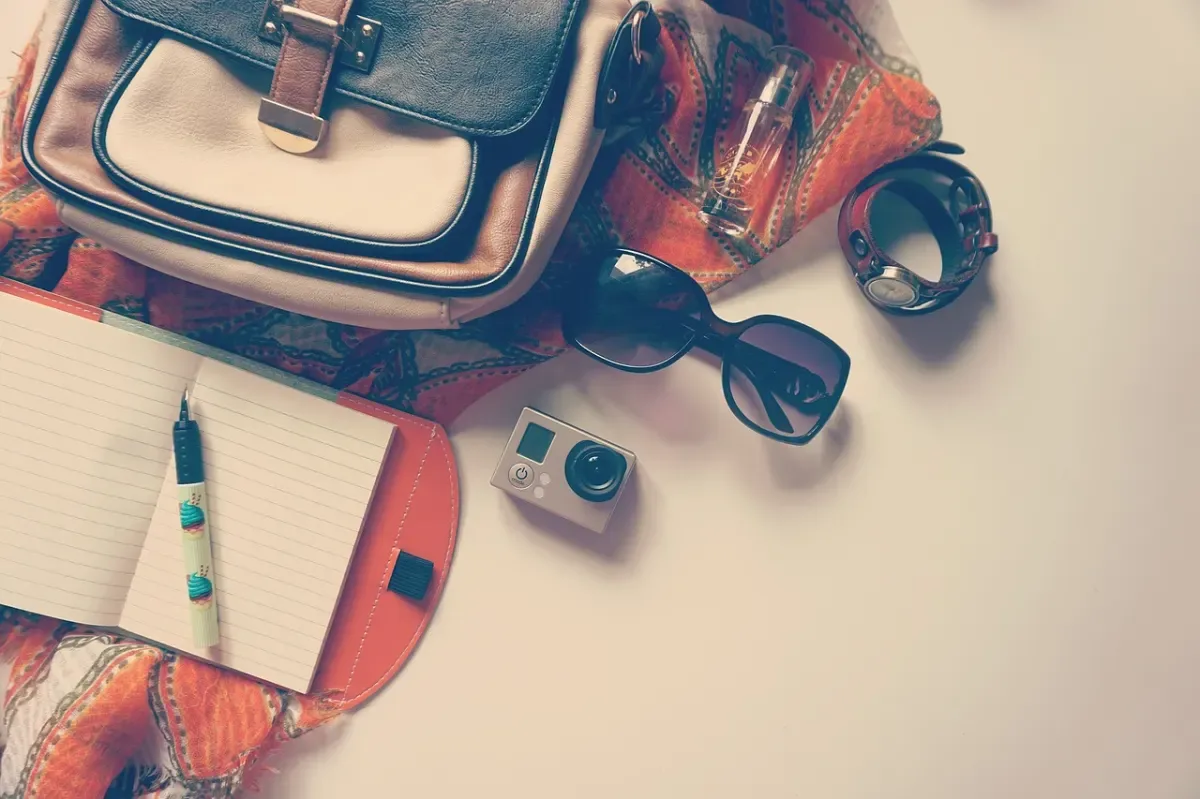
Your carry on is your lifeline on a long flight. Choose a bag that fits within airline size limits (typically 22 x 14 x 9 inches), has multiple compartments for easy organization, and can slide under the seat in front of you for in flight access. A backpack with a laptop sleeve, water bottle pocket, and easy access front pocket is ideal for most travelers.
Pro tip: Always pack a complete change of clothes in your carry on. If your checked luggage gets lost or delayed (it happens more often than you would think), you will be glad you have fresh clothes waiting.
2. Create a Personal Item Essentials Kit
Within your carry on, keep a small pouch or packing cube with your in flight essentials that you can grab and place in the seat pocket. This should include:
- Noise canceling headphones or quality earplugs: These are non negotiable for sleeping on planes
- Eye mask: A silk or contoured eye mask blocks light completely
- Neck pillow: Memory foam options pack flat and expand when needed
- Lip balm and moisturizer: Cabin air is extremely dry, typically around 10 to 20 percent humidity
- Hand sanitizer and disinfecting wipes: Tray tables and armrests are among the germiest surfaces
3. Dress in Layers
Airplane cabins are notoriously inconsistent with temperature. One row might feel like a sauna while the next is an icebox. The solution is simple: dress in layers. Wear comfortable, stretchy pants (not jeans), a breathable base layer, and bring a warm sweater or hoodie. Compression socks are also highly recommended for flights over 6 hours, as they improve circulation and reduce the risk of deep vein thrombosis.
4. Pack Medications and Documents Strategically
Never check essential medications. Keep them in your carry on in their original labeled containers. This includes prescription medications, pain relievers, motion sickness pills, melatonin for jet lag, and any allergy medications you might need.
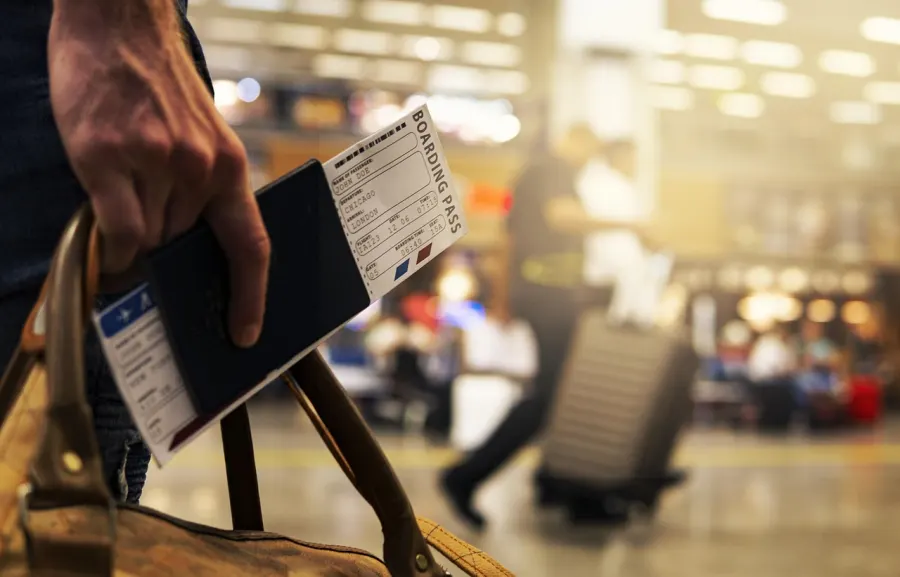
For documents, a travel wallet or passport holder keeps everything organized:
- Passport and visa documents
- Boarding passes (digital and paper backup)
- Travel insurance information
- Hotel reservation confirmations
- Emergency contact numbers
- Copies of important documents stored separately from originals
5. Master the Art of Packing Cubes
If you are not using packing cubes, you are making travel harder than it needs to be. These lightweight fabric containers organize your clothes by type or outfit, compress everything to save space, and make unpacking at your destination a breeze. Use one cube for tops, one for bottoms, one for undergarments, and one for accessories.
Most experienced travelers report that packing cubes allow them to fit 20 to 30 percent more into the same suitcase. They also keep your bag organized throughout your trip, so you are not rummaging through a jumbled mess every morning.
6. Bring Entertainment and Stay Charged
Even with in flight entertainment systems, it is wise to bring your own options. Download movies, shows, podcasts, and music to your devices before departure, as airplane Wi-Fi can be unreliable and expensive.
- Download content from streaming services for offline viewing
- Load up an e-reader with several books
- Bring a portable power bank (under 100Wh for airline compliance)
- Pack a universal power adapter if traveling internationally
- Bring a short charging cable that reaches from the seat power outlet to your device
7. Stay Hydrated (It Matters More Than You Think)
Cabin air humidity levels hover around 10 to 20 percent, which is drier than most deserts. This dehydration contributes to jet lag, fatigue, headaches, and that general "wrecked" feeling after a long flight. The solution is to drink water aggressively throughout the flight.
Bring an empty reusable water bottle through security and fill it at a water fountain before boarding. Aim to drink at least 8 ounces of water for every hour of flight time. Avoid excessive alcohol and caffeine, which accelerate dehydration.
8. Pack Snacks You Actually Want to Eat
Airline food has improved in recent years, but it is still inconsistent, and on some budget carriers, it costs extra. Pack a variety of satisfying snacks that travel well:
- Trail mix or mixed nuts (protein and healthy fats keep you full)
- Protein bars or granola bars
- Dried fruit
- Dark chocolate (a legitimate mood booster)
- Crackers with individual cheese or nut butter packets
Having snacks on hand is especially important for connecting flights where layover dining options may be limited or overpriced.
9. Use a Toiletry Bag That Meets TSA Requirements
The 3-1-1 rule for carry on liquids (3.4 ounce containers in a 1 quart clear bag, 1 bag per person) has been in effect for years, but travelers still get tripped up. Keep a pre-packed, TSA-compliant toiletry bag ready to go:
- Travel size toothpaste and toothbrush
- Miniature shampoo and conditioner
- Face wash and moisturizer
- Deodorant
- Contact lens solution (if applicable)
Pro tip: Solid toiletries (shampoo bars, solid deodorant, bar soap) do not count toward your liquid allowance and save valuable space.
10. Plan Your Checked Luggage Wisely
For your checked bag, roll clothes instead of folding to minimize wrinkles and maximize space. Place heavier items at the bottom (near the wheels) and fragile items in the center surrounded by soft clothing. Use the inside of shoes to store small items like socks, chargers, or jewelry.
Checked Bag Essentials Checklist
- Place a luggage tag on the outside and a contact card inside
- Use a TSA approved lock
- Take a photo of your packed bag in case you need to file a lost luggage claim
- Keep a copy of your bag description and contents for insurance purposes
- Add a colorful ribbon or sticker to quickly identify your bag on the carousel
Bonus: Beating Jet Lag
Smart packing goes hand in hand with smart travel habits. To minimize jet lag on long haul flights:
- Adjust your sleep schedule 2 to 3 days before departure
- Set your watch to the destination time zone when you board
- Sleep on the plane if it is nighttime at your destination
- Get sunlight exposure upon arrival to reset your circadian rhythm
- Consider low dose melatonin (0.5 to 3 mg) for the first few nights at your destination
Final Thoughts
Packing for a long haul international flight does not have to be stressful. With a thoughtful approach and the right gear, you can turn those hours in the air into a comfortable, even enjoyable, part of your journey. Start with these 10 tips, adjust based on your personal preferences, and you will arrive at your destination ready to hit the ground running. Happy travels!
For more travel inspiration and to find guided experiences at your destination, explore tours and activities on Viator before your next trip.
For the best guided tours and travel experiences worldwide, browse top-rated activities on Viator.
In-Flight Comfort Essentials You Should Not Forget
Beyond packing your luggage smartly, what you bring into the cabin with you can make or break a 10-plus-hour flight. A good neck pillow is worth the investment, and memory foam options that clip onto your carry-on are far better than the inflatable versions that slip around. Noise-canceling headphones are a huge advantage for sleeping through engine noise and chatty neighbors. If you do not want to invest in a premium pair, even basic foam earplugs combined with an eye mask do wonders.
Wear compression socks on any flight longer than 6 hours. They improve circulation, reduce swelling in your feet and ankles, and lower the risk of deep vein thrombosis. Pair them with loose, stretchy clothing and slip-on shoes so you can easily move around the cabin. Staying hydrated is critical at altitude, so bring an empty reusable water bottle through security and fill it before boarding. Aim to drink at least 8 ounces of water every hour during the flight.
How to Organize Your Carry-On Like a Pro
A well-organized carry-on eliminates the frustration of digging through your bag mid-flight. Use a simple system: top layer for items you need during the flight (headphones, snacks, book, charger), middle layer for a change of clothes in case your checked bag gets delayed, and bottom layer for items you will not need until landing.
Keep all your documents, passport, boarding pass, and any printed hotel confirmations in a single travel wallet or pouch that stays in the same pocket every time. This small habit saves you from panicked searching at immigration counters. A portable phone charger with at least 10,000 mAh capacity ensures your devices stay powered throughout layovers and delays. For a full breakdown of efficient packing, our minimalist packing guide covers everything from clothing rolls to digital checklists.
Frequently Asked Questions
What snacks should I bring on a long-haul flight?
Choose snacks that are protein-rich and not too messy. Trail mix, protein bars, dried fruit, and nut butter packets travel well and keep your energy steady. Avoid overly salty snacks, which contribute to dehydration and bloating at altitude. Fresh fruit like apples and grapes are allowed through security in most countries but must be consumed before landing at your destination due to agricultural restrictions.
Should I take melatonin on overnight flights?
Melatonin can help reset your internal clock, especially if you are crossing multiple time zones. A low dose of 1 to 3 milligrams taken about 30 minutes before you want to sleep is generally effective. Always test it before your trip to see how your body responds, and consult your doctor if you take other medications.
How early should I arrive at the airport for an international flight?
Arrive at least 3 hours before departure for international flights. This gives you time for check-in, security screening, and potential immigration checks without rushing. If you are flying from a busy hub during peak travel season, consider adding an extra 30 minutes. For more travel planning advice, check out our tips on booking smarter flights and our travel insurance guide to make sure you are fully prepared.



Comments (0)
Leave a Comment