
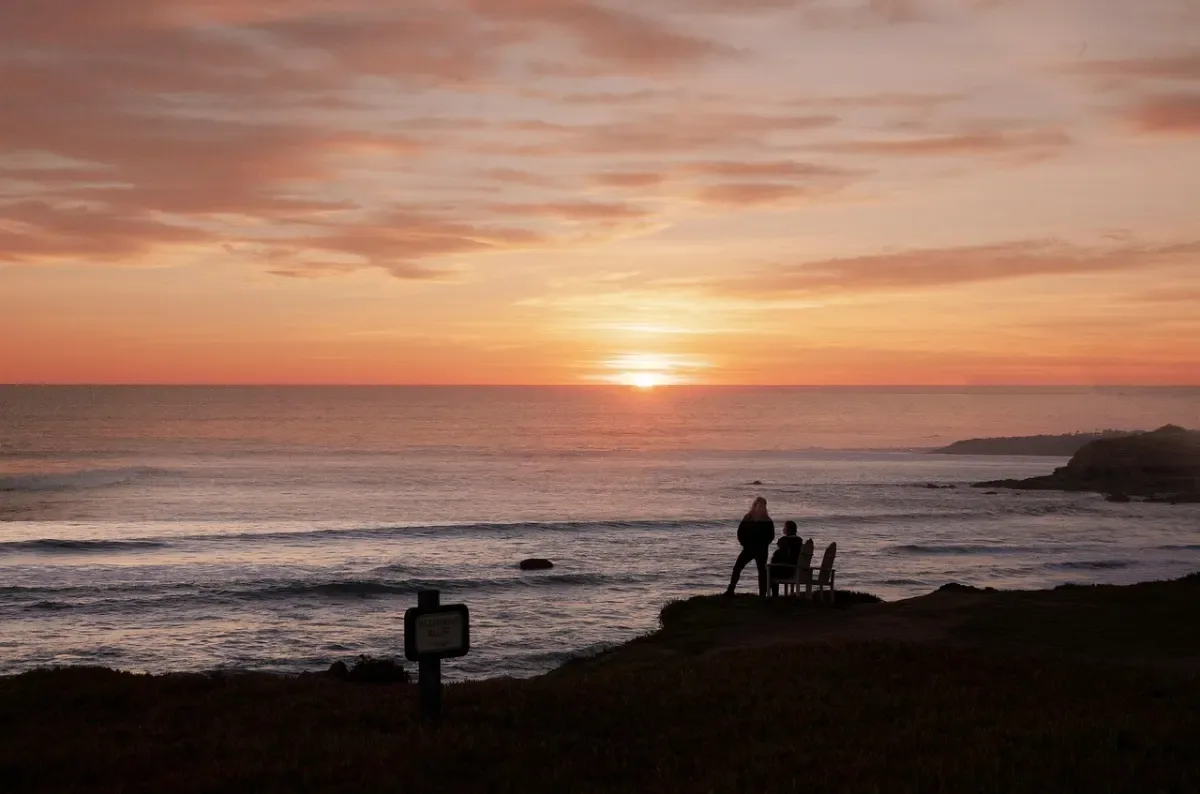
Why the Pacific Coast Highway Is America's Greatest Road Trip
The Pacific Coast Highway (PCH), also known as California State Route 1, is widely considered one of the most scenic drives on the planet. Stretching along the California coastline from Dana Point in the south to Leggett in the north, this legendary route offers jaw dropping ocean views, charming coastal towns, towering redwoods, and some of the most photographed bridges in the world.
Whether you have a long weekend or two full weeks, the PCH delivers an experience that stays with you forever. In this guide, we cover everything you need to know to plan the ultimate road trip along this iconic highway.
Planning Your Route: North to South or South to North?
This is the first big decision every PCH road tripper faces. Most travel experts recommend driving north to south, starting in San Francisco and ending in Los Angeles (or San Diego). The reason is simple: when you drive southbound, you are on the ocean side of the road, giving you unobstructed views of the coastline and easier access to pull off spots and viewpoints.
That said, driving south to north has its own charm, especially if you want to save the dramatic Big Sur section as a grand finale. Either direction works beautifully.
Suggested Itineraries
- 3 to 4 days: San Francisco to Los Angeles, hitting major highlights
- 5 to 7 days: San Francisco to San Diego with time for detours and beach days
- 10 to 14 days: The full experience from Crescent City to San Diego, including inland excursions
Top Stops Along the Pacific Coast Highway
San Francisco
Start your journey in the City by the Bay. Cross the Golden Gate Bridge, explore Fisherman Wharf, ride a cable car, and fuel up with cioppino (a hearty seafood stew born in San Francisco). The city is packed with tours and experiences that can fill an entire day before you even hit the highway.
Half Moon Bay
Just 45 minutes south of San Francisco, Half Moon Bay is a laid back coastal town known for its stunning beaches, pumpkin patches in fall, and Mavericks, one of the world most famous big wave surf spots. Grab breakfast at a beachside cafe and watch surfers tackle the waves.
Santa Cruz
Home to the famous Santa Cruz Beach Boardwalk, this funky surf town has a retro vibe that is hard to resist. Ride the Giant Dipper roller coaster (built in 1924), browse vintage shops on Pacific Avenue, and watch sea lions lounge on the wharf.
Monterey and Carmel by the Sea
Monterey is famous for its world class aquarium, Cannery Row, and whale watching tours. Just down the road, Carmel by the Sea is a storybook village with art galleries, wine tasting rooms, and a pristine white sand beach. Do not miss the 17 Mile Drive through Pebble Beach for some of the most iconic coastal scenery on the entire route.
Big Sur
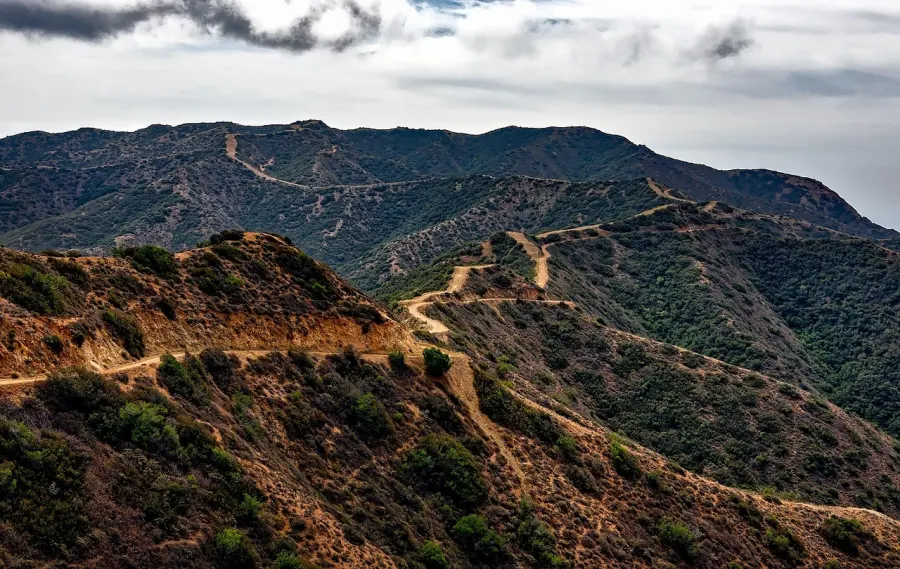
This is the crown jewel of the Pacific Coast Highway. Big Sur is a 90 mile stretch of rugged coastline where mountains plunge dramatically into the Pacific Ocean. Highlights include Bixby Creek Bridge, McWay Falls (an 80 foot waterfall that drops directly onto a beach), and Point Lobos State Reserve. Plan to spend at least a full day here, stopping at every viewpoint and soaking in the raw beauty.
Practical Tips for Big Sur
- Gas stations are scarce and expensive, so fill up before entering
- Cell service is limited to nonexistent in most areas
- Book camping or lodging well in advance, especially for summer
- Check road conditions before your trip, as landslides occasionally close sections
San Luis Obispo
Known as SLO (and locals love the slow pace that the acronym suggests), this charming college town is the perfect overnight stop. Explore Bubblegum Alley (yes, it is exactly what it sounds like), visit local wineries in the Edna Valley, and grab dinner on Higuera Street.
Santa Barbara
Often called the American Riviera, Santa Barbara has Spanish colonial architecture, palm lined beaches, and a vibrant food scene. Walk along Stearns Wharf, hike to Inspiration Point for panoramic views, and sample local wines in the Funk Zone neighborhood.
Malibu
As you approach Los Angeles, the coastline shifts to the glamorous beaches of Malibu. Stop at El Matador Beach for dramatic rock formations and tide pools, grab fish tacos from a roadside stand, and watch surfers catch waves at Zuma Beach.
Los Angeles and Beyond
LA is a worthy destination in its own right. From the Hollywood Sign to Venice Beach, from Griffith Observatory to the Getty Museum, there is enough to fill days. If you are continuing south, explore tours in San Diego for an incredible finale to your road trip, including the famous San Diego Zoo, Gaslamp Quarter, and La Jolla Cove.
Budget Breakdown for a PCH Road Trip
Costs vary widely depending on your travel style, but here is a general breakdown for two travelers over 5 to 7 days:
- Car rental: $200 to $400 for the week (book a convertible for the ultimate experience)
- Gas: $100 to $180 depending on your vehicle and how far you drive
- Accommodation: $100 to $250 per night for hotels; $30 to $60 for camping
- Food: $50 to $100 per day for two people eating at a mix of casual and mid range restaurants
- Activities: $20 to $50 per attraction (aquariums, state parks, wine tastings)
Total estimated cost: $1,500 to $4,000 for two people over a week, depending on your style.
Best Time to Drive the PCH
The Pacific Coast Highway is beautiful year round, but each season offers something different:
- Spring (March to May): Wildflowers bloom, whales migrate along the coast, and crowds are manageable
- Summer (June to August): Warmest weather and longest days, but also the busiest
- Fall (September to November): Warm temperatures, fewer crowds, and stunning light for photography
- Winter (December to February): Dramatic storms, elephant seal pupping season in San Simeon, and the lowest prices
Essential Packing List
- Sunscreen and sunglasses (the California sun is strong)
- Layers for coastal fog, especially in Northern California
- Comfortable hiking shoes for trails and beach walks
- A good camera or smartphone with plenty of storage
- Reusable water bottle
- Paper maps as a backup since cell service is unreliable in remote stretches
Safety Tips for Your Road Trip
The PCH is a stunning but winding road that demands your attention. Drive slowly on curves, use pull offs for photos (never stop in the middle of the road), and be cautious of fog, especially near Big Sur. If you are not comfortable with cliffside driving, take it slow and let faster traffic pass.
Final Thoughts
The Pacific Coast Highway is more than just a drive. It is an experience that captures the very essence of California: wild, beautiful, and endlessly surprising. Every curve in the road reveals a new vista, every small town has a story to tell, and by the time you reach your final destination, you will already be planning your next trip back. Start mapping out your route, book your car, and get ready for the road trip of a lifetime.
Where to Stay Along the Pacific Coast Highway
Finding the right accommodation along PCH can make or break your road trip experience. In Big Sur, consider staying at one of the rustic lodges tucked into the redwood forests. Post Ranch Inn offers cliff-side rooms with panoramic ocean views, while more budget-friendly options like Fernwood Resort provide cozy cabins surrounded by towering trees. In Santa Barbara, boutique hotels along State Street put you within walking distance of wine tasting rooms, local restaurants, and the waterfront.
If you are heading further south toward San Luis Obispo, the Madonna Inn is a quirky, unforgettable overnight stop with uniquely themed rooms. For travelers watching their wallets, campgrounds at state beaches like Kirk Creek or Plaskett Creek offer oceanfront tent sites for under $35 a night. Booking ahead during summer months is strongly recommended, as popular spots fill up weeks in advance.
Best Roadside Stops You Should Not Skip
Between the big-name destinations, PCH is loaded with smaller stops that deserve your attention. McWay Falls in Julia Pfeiffer Burns State Park is one of only two waterfalls in California that drop directly onto a beach. The short trail to the overlook takes about 10 minutes, and the view is absolutely worth pulling over for.
The Elephant Seal Vista Point near San Simeon is free to visit and home to hundreds of elephant seals lounging on the beach, especially between December and March. Further north, the tiny town of Cambria has charming art galleries, antique shops, and excellent clam chowder at local seafood spots. If you love capturing vacation photos, every bend on this highway delivers something frame-worthy.
Pro Tips for a Smooth PCH Road Trip
- Drive northbound to southbound for the best ocean-side views, since you will be on the cliff side of the road closest to the water.
- Fill up your gas tank whenever you see a station, especially through Big Sur, where gas stations are sparse and prices are higher.
- Start early in the morning to beat fog along the central coast. Coastal fog usually burns off by late morning, giving you clear skies for photos.
- Pack layers even in summer. Coastal temperatures can swing from 75 degrees inland to 55 degrees at the shoreline within a few miles.
- Download offline maps before you go. Cell service is unreliable through much of Big Sur and the rural stretches of Highway 1.
For tips on preparing for a long drive, check out our guide on packing for long journeys. And if you are combining your PCH trip with a city visit, our San Francisco 3-day itinerary pairs perfectly with a southbound coastal drive.
Frequently Asked Questions
How many days do you need for a PCH road trip?
A minimum of 3 to 4 days allows you to enjoy the highlights without rushing. If you want to explore side trails, small towns, and spend time at beaches, plan for 5 to 7 days.
Is the Pacific Coast Highway safe to drive?
Yes, but it requires attention. The road has tight curves, steep drop-offs, and occasional rockslides. Drive during daylight hours, stay under the speed limit on winding sections, and pull over at designated turnouts if cars stack up behind you.
What is the best car for a PCH road trip?
A convertible is the classic choice for warm weather. Otherwise, any reliable mid-size car works well. You do not need an SUV or four-wheel drive unless you plan on venturing onto unpaved forest roads off the main highway.

Comments (0)
Leave a Comment