
Great travel photos do more than document where you have been. They tell stories, evoke emotions, and transport viewers to places they have never visited. Whether you are shooting with a professional DSLR or the latest smartphone, the principles of compelling travel photography remain the same. This guide shares practical tips that will help you capture stunning images on your next trip.
Understanding Light: The Most Important Factor
Light is everything in photography. The difference between a mediocre photo and a breathtaking one often comes down to when and how you use natural light.
Golden Hour Magic
The golden hour, roughly the first hour after sunrise and the last hour before sunset, produces warm, soft light that flatters every subject. Landscapes glow, skin tones look natural, and shadows add depth without harshness. If you only follow one photography tip, make it this: shoot during golden hour whenever possible.
Blue Hour Beauty
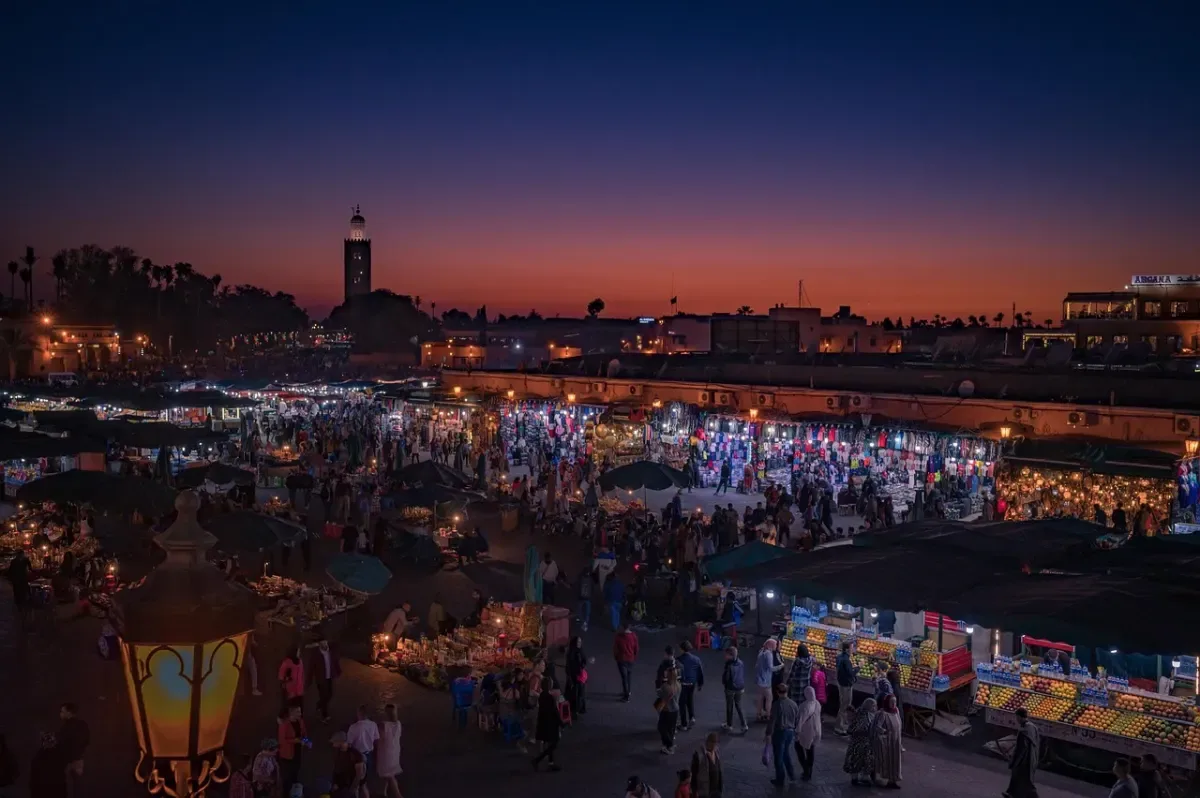
The blue hour occurs just before sunrise and just after sunset, when the sky takes on deep blue and purple tones. This is the ideal time to photograph city skylines, as artificial lights create a beautiful contrast against the twilight sky.
Dealing with Harsh Midday Light
When you cannot avoid shooting at noon, look for:
- Open shade: Move subjects under trees, archways, or building overhangs
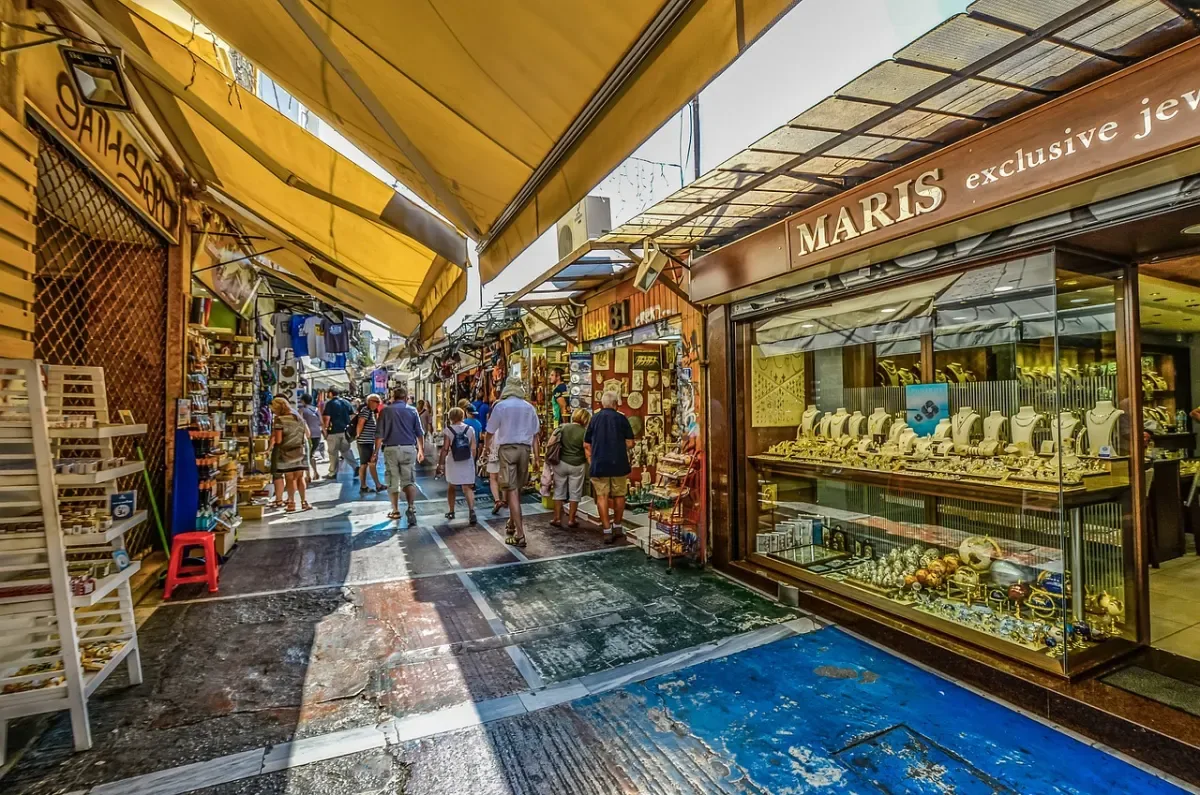
- Indoor scenes: Markets, cafes, and museums often have beautiful window light
- Reflections: Use wet surfaces and water to add interest to midday shots
- Silhouettes: Shoot toward the sun to create dramatic silhouette compositions
Composition Techniques That Transform Your Photos
The Rule of Thirds
Imagine your frame divided into a 3x3 grid. Placing your main subject along these lines or at their intersections creates a more balanced, visually appealing image. Most cameras and smartphones let you overlay this grid on your screen.
Leading Lines
Use roads, pathways, fences, rivers, or architectural elements to guide the viewer eye through the image toward your main subject. Leading lines add depth and draw people into the scene.
Framing
Use natural or architectural frames like doorways, windows, arches, or tree branches to surround your subject. This technique adds layers and context to your photos while directing attention to the focal point.
Foreground Interest
Including something in the foreground of landscape shots, whether it is a rock, flower, or piece of fabric, creates depth and dimension. Without foreground interest, landscapes can look flat and uninteresting.
Symmetry and Patterns
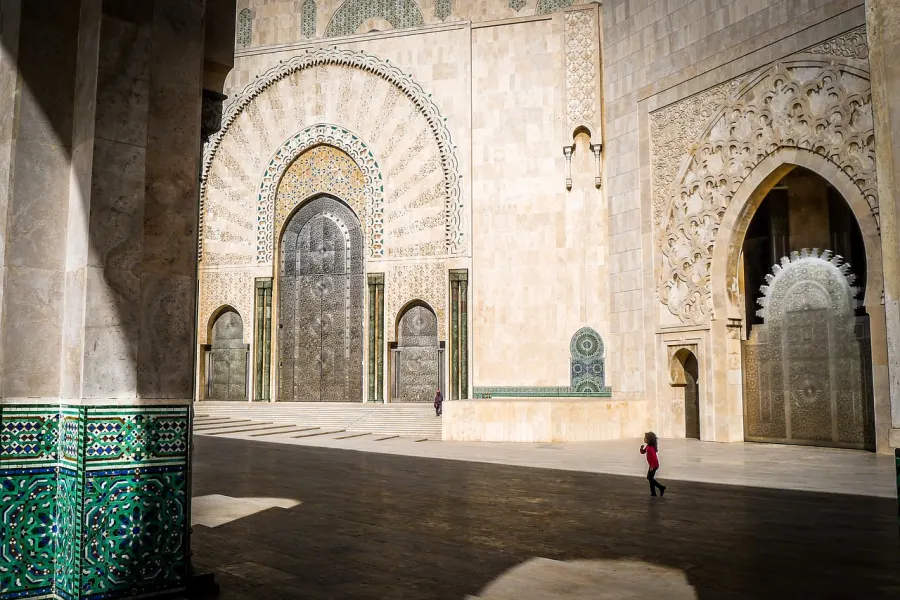
Architecture, tile work, and natural formations often offer opportunities for symmetrical compositions. Perfectly centered subjects in symmetrical settings create powerful, eye catching images.
Negative Space
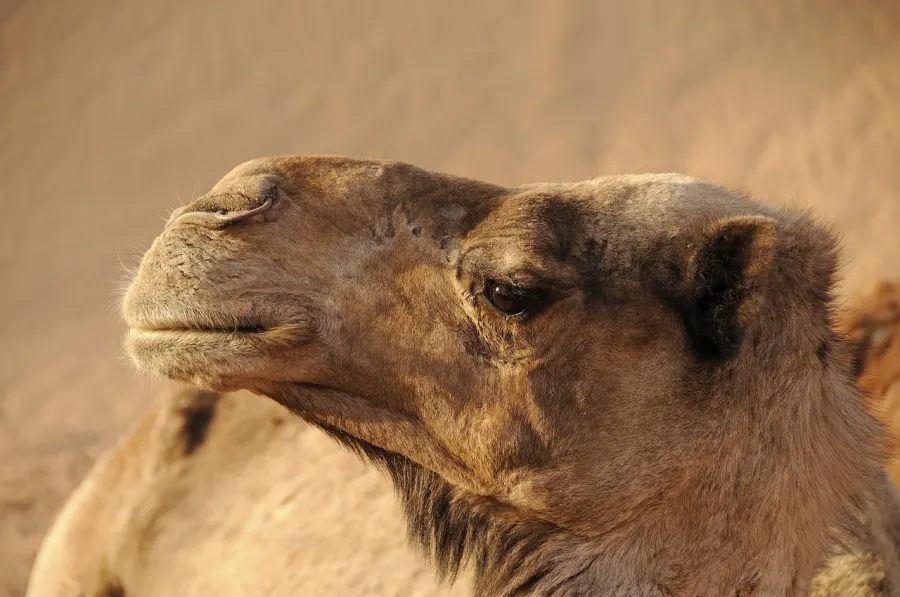
Leaving empty space around your subject creates a sense of scale and isolation. This works especially well in desert landscapes, ocean scenes, and minimalist architecture.
Gear Recommendations for Travel Photography
For Smartphone Photographers
Modern smartphones produce incredible photos. To get the most from your phone:
- Clean your lens before shooting (seriously, fingerprints ruin sharpness)
- Use the 2x or 3x optical zoom rather than digital zoom for better quality
- Shoot in portrait mode for people and food photos to create background blur
- Use HDR mode in high contrast scenes (bright sky, dark foreground)
- Shoot in RAW format if your phone supports it for more editing flexibility
- Invest in a small clip on wide angle lens ($15 to $30) for landscapes and architecture
For Camera Users
A versatile travel photography kit includes:
- Camera body: A mirrorless camera offers the best balance of image quality and portability
- All purpose zoom lens: A 24 to 70mm or 24 to 105mm covers most travel situations
- Wide angle lens: 16 to 35mm for landscapes and architecture
- Telephoto lens: 70 to 200mm for wildlife and compressed perspective shots
- Lightweight tripod: Essential for night photography, long exposures, and golden hour landscapes
- Extra batteries and memory cards: Always carry more than you think you need
Photographing People While Traveling
Portraits of Locals
Some of the most powerful travel photos are portraits of the people you meet. Here are guidelines for respectful people photography:
- Always ask permission before photographing someone, especially in close up portraits
- Learn to say "May I take your photo?" in the local language
- Show people the photo on your screen afterward. This simple gesture builds connection
- If someone declines, respect their wishes without question
- Be aware of cultural sensitivities around photography in religious sites and certain communities
Candid Street Photography
For more spontaneous shots, try these approaches:
- Use a longer lens to capture natural moments from a comfortable distance
- Wait at an interesting location and let people walk into your frame
- Capture people engaged in activities: cooking, playing music, working
- Focus on hands, details, and partial figures for a documentary feel
Landscape Photography Essentials
- Shoot at dawn and dusk for the best light and most dramatic skies
- Use a small aperture (f/8 to f/11) for maximum sharpness throughout the scene
- Include a clear focal point. A landscape without a subject is just a pretty background
- Use a tripod for the sharpest possible images, especially in low light
- Bracket your exposures in high contrast scenes (bright sky, dark land)
- Include human elements for scale. A person standing before a mountain shows its true size
Food Photography Tips
Documenting the food you eat while traveling is a wonderful way to remember the culinary side of your journey:
- Shoot near a window for natural side lighting
- Shoot from above for flat dishes like pizza or bowls, and from 45 degrees for dishes with height
- Include context: hands holding the dish, the restaurant setting, market stalls
- Keep backgrounds simple and uncluttered
- Shoot quickly so you can eat while the food is still hot
Editing Your Travel Photos
Post processing is where good photos become great ones. You do not need expensive software:
Free and Affordable Editing Tools
- Snapseed (free): Google powerful mobile editor with professional level tools
- VSCO (free with premium option): Beautiful film inspired presets
- Lightroom Mobile (free with limits): Industry standard editing tools on your phone
- Adobe Lightroom Classic: The gold standard for desktop photo editing ($10 per month)
Essential Edits to Apply
- Straighten the horizon: Nothing ruins a landscape faster than a crooked horizon line
- Adjust exposure: Brighten or darken to match what your eyes actually saw
- Boost contrast slightly: Adds punch and separation to flat looking images
- Increase vibrance (not saturation): Vibrance boosts muted colors while protecting skin tones
- Crop for composition: Remove distracting elements from the edges of your frame
- Sharpen gently: A subtle sharpening pass improves detail, especially for social media
Common Mistakes to Avoid
- Over editing: Heavy filters and extreme saturation look unnatural. Aim for a natural, polished look
- Not backing up photos: Use cloud storage or carry a portable hard drive. Losing photos is heartbreaking
- Shooting only landmarks: The small details, street signs, coffee cups, doorways, textures, tell the story of a place
- Forgetting to look up and down: Some of the best shots come from unusual angles
- Spending too much time behind the lens: Remember to put the camera down and enjoy the moment
Building a Travel Photo Story
The best travel photographers think in terms of stories, not individual images. For each destination, aim to capture:
- Wide establishing shots: The overall scene and landscape
- Medium shots: People, buildings, and activities in context
- Close up details: Textures, food, signs, and small moments
- Transitional moments: Travel between places, looking out windows, walking through streets
This variety creates a complete visual narrative of your trip that is far more interesting than a collection of landmark photos.
Final Thoughts
Travel photography is a skill that improves with practice. The best camera is the one you have with you, and the best photo is the one that makes you feel something when you look at it years later. Focus on light, composition, and storytelling, and your vacation photos will become treasures that last a lifetime. Most importantly, do not let photography become a barrier to experiencing the place you are visiting. Capture the moment, then live in it.
For photography-focused tours at iconic destinations, explore photography tours in Rome and capture Paris through a guided photo walk on Viator.
Editing Your Photos on the Go
You do not need a laptop to produce polished travel photos. Adobe Lightroom Mobile (free version) handles exposure adjustments, color grading, and cropping with professional results. Snapseed by Google is another powerful free option with selective editing tools that let you brighten a dark foreground without blowing out the sky. Keep your editing consistent by creating a preset or filter that matches your personal style, then apply it across your trip photos for a cohesive look on social media. A good rule of thumb: spend no more than two to three minutes editing each photo so you do not lose precious travel time staring at your phone screen.
Protecting Your Gear While Traveling
Invest in a padded camera insert that fits inside your everyday backpack rather than carrying a bulky dedicated camera bag that screams "expensive equipment inside." Use a rain cover or a simple plastic bag to protect your camera during unexpected downpours or boat transfers. Silica gel packets tucked into your bag help absorb moisture in humid climates. Back up your photos every evening to a portable hard drive or cloud storage, so a stolen camera does not mean lost memories. For smartphone photographers, a waterproof phone pouch (under $15) opens up underwater and beach shooting without any risk.
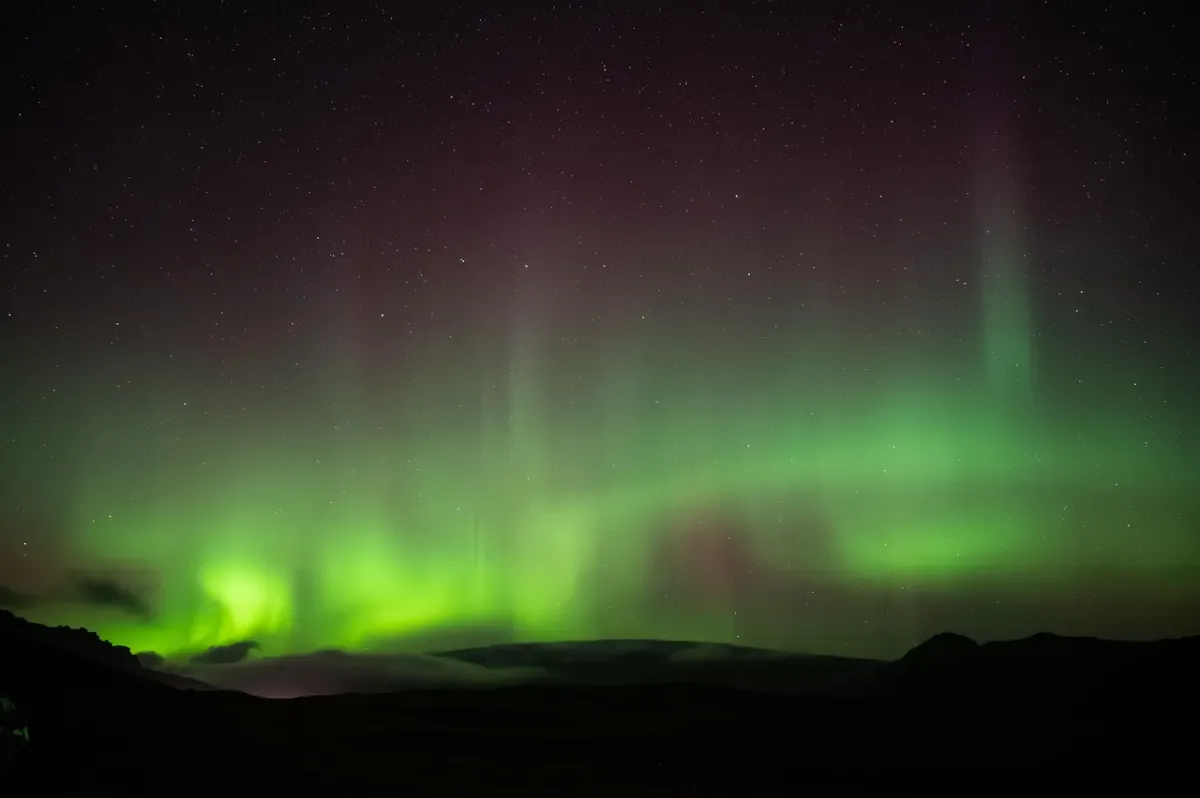
For destination-specific photo inspiration, check out our guide to the most Instagrammable spots in Santorini and our Northern Lights photography guide for once-in-a-lifetime shots.
Remember, the best travel photos tell a story. Focus on capturing moments, people, and the small details that make each destination unique rather than chasing technically perfect images. A slightly imperfect photo with genuine emotion will always outshine a flawless but soulless shot.

Comments (0)
Leave a Comment