
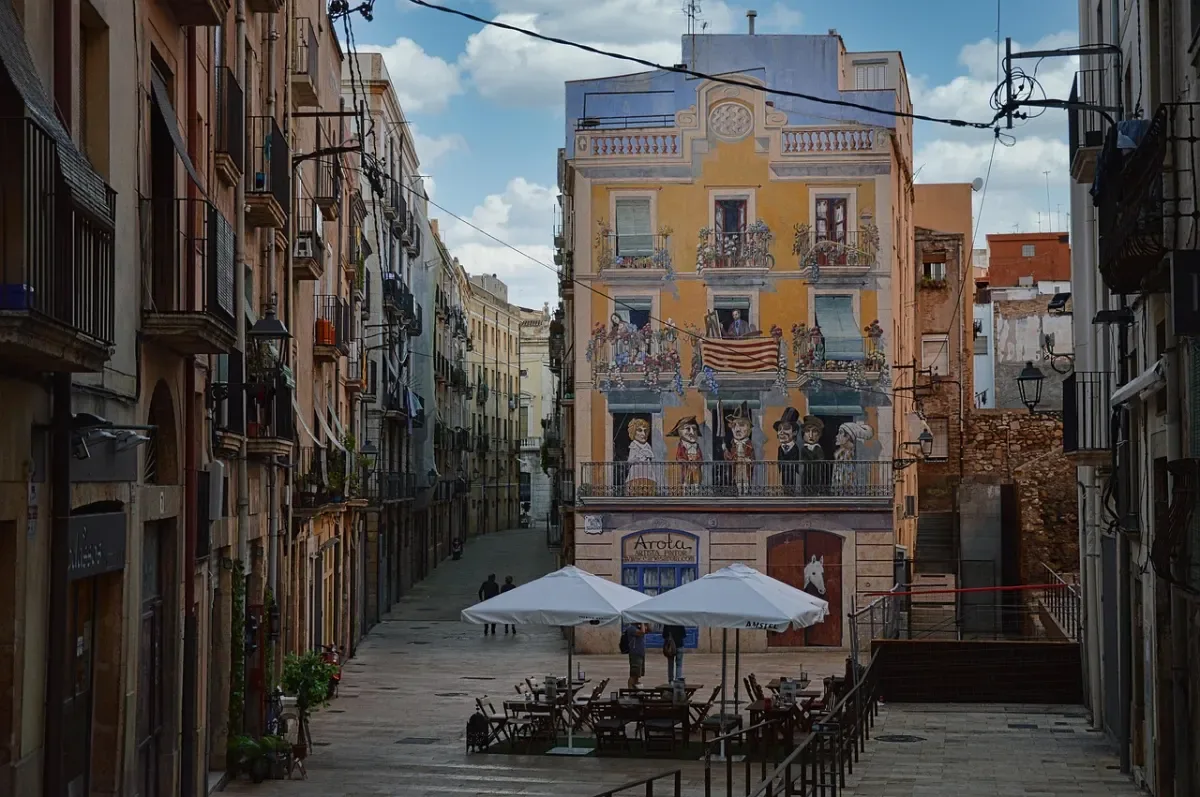
Yes, You Can Travel Europe on a Budget
The idea of traveling through Europe conjures images of expensive hotels, pricey restaurant meals, and costly museum tickets. But the truth is that Europe can be surprisingly affordable if you know where to go, when to travel, and how to spend wisely. With the right strategies, you can explore some of the most fascinating cities and landscapes in the world on a daily budget of around $50.
This is not about suffering through a miserable trip. It is about traveling smart, prioritizing experiences over luxury, and discovering that some of the best moments in Europe cost little to nothing. A sunset over the rooftops of Lisbon, a picnic along the Seine, or a hike through the Swiss Alps are all free, and they are the memories you will carry with you long after the trip ends.
Choosing Affordable Destinations
Your daily budget will stretch much further in some parts of Europe than others. Here is a general breakdown of costs by region.
Most Affordable Countries ($30 to $50 per day)
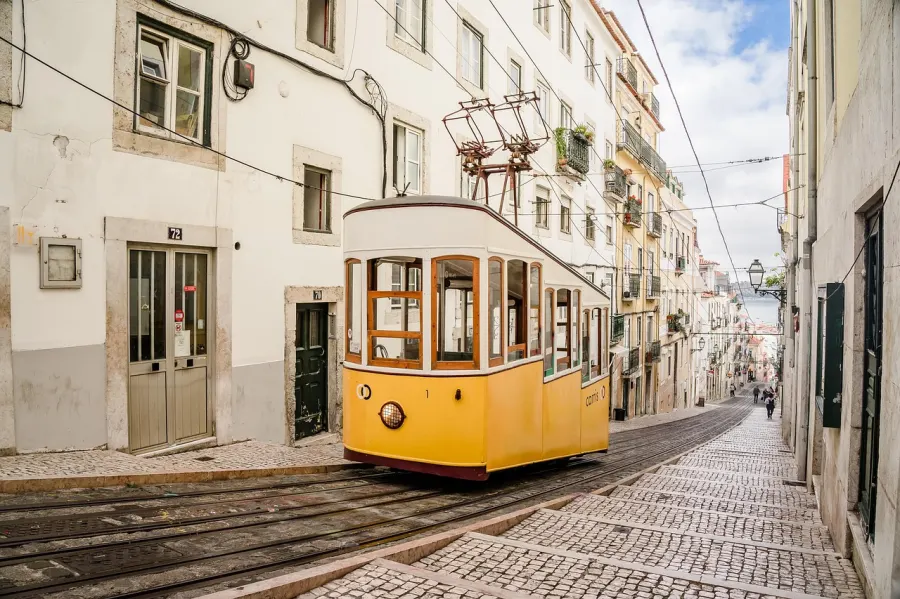
- Portugal: Lisbon and Porto offer incredible value with affordable hostels, cheap local food, and free attractions.
- Spain: Outside Barcelona and Madrid, cities like Seville, Granada, and Valencia are very affordable.
- Poland: Krakow and Warsaw offer world-class culture and history at a fraction of Western European prices.
- Hungary: Budapest is one of the best value cities in Europe, with affordable thermal baths, food, and nightlife.
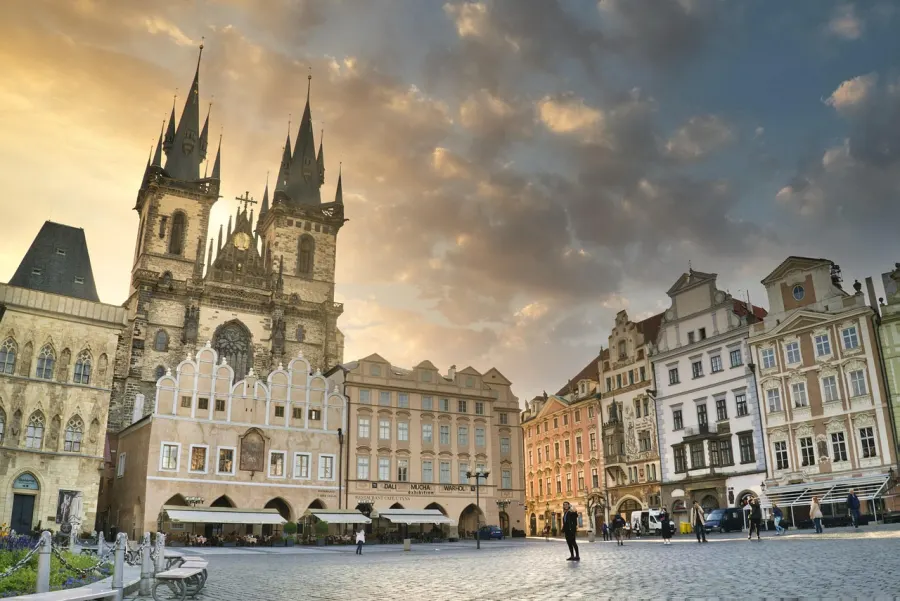
- Czech Republic: Prague is a bit more touristy but still much cheaper than Paris or London.
- Romania and Bulgaria: Among the cheapest countries in Europe, with stunning scenery and fascinating history.
- Greece: Outside of Santorini and Mykonos, Greece offers excellent value, especially on the mainland and lesser-known islands.
Moderately Priced ($50 to $80 per day)
- Germany: Berlin is surprisingly affordable for a major capital. Munich and Hamburg are pricier.
- Italy: Southern Italy, including Naples and Sicily, is much cheaper than the north. Even Rome can be done on a budget with some effort.
- France: Paris is expensive, but the rest of France, especially the south and smaller cities, offers better value.
Most Expensive ($80+ per day)
- Switzerland, Norway, Denmark, Sweden: These countries are beautiful but expensive. Budget travelers can visit but need to plan carefully.
- Iceland: Notoriously expensive for food and accommodation.
Accommodation: Where to Sleep for Less
Accommodation is typically the biggest expense for travelers. Here is how to keep it under $20 per night.
Hostels
Hostels remain the backbone of budget travel in Europe. A dorm bed costs $10 to $25 per night in most European cities. Modern hostels are clean, social, and often beautifully designed. Many include free breakfast, Wi-Fi, and kitchen access. Book through Hostelworld or Booking.com and read recent reviews to ensure quality.
Couchsurfing
Couchsurfing connects travelers with locals who offer a free place to sleep. Beyond saving money, it provides an authentic cultural experience and local insider knowledge. The platform works on a community trust system with reviews and verification. It is most popular in larger cities.
House Sitting
Websites like TrustedHousesitters connect travelers with homeowners who need someone to look after their home and pets while they are away. In exchange, you get free accommodation, often in beautiful homes. This works best for travelers with flexible schedules.
Camping
If you are traveling in the warmer months, camping can be incredibly cheap. European campsites are generally well-maintained and cost $5 to $15 per night. Some countries, like Scandinavian nations, have "right to roam" laws that allow wild camping in many areas for free.
Budget Hotel Tips
If hostels are not your style, budget hotels and guesthouses (called "pensions" in many European countries) offer private rooms at reasonable rates. Booking.com and Airbnb can surface deals, especially for stays of a week or longer. Look for accommodations slightly outside city centers for significantly lower prices.
Food: Eating Well Without Spending Much
Food is one of the great joys of European travel, and you do not need to spend much to eat well.
Cook Your Own Meals
If your hostel or accommodation has a kitchen, take advantage of it. Shop at local supermarkets and markets for fresh bread, cheese, fruit, and deli meats. A hearty breakfast and simple dinner prepared in a hostel kitchen can save you $20 or more per day compared to eating every meal out.
Eat Like a Local
- In Italy: Skip the sit-down restaurants in tourist areas. Instead, grab pizza al taglio (by the slice), eat standing at a bar for cheaper coffee prices, and look for "menu del giorno" (daily menu) specials at trattorias.
- In Spain: Take advantage of the tapas culture. In cities like Granada and parts of Andalusia, you get a free tapa with every drink. A few drinks and tapas can make a full meal for under $10.
- In France: Bakeries sell incredible sandwiches, quiches, and pastries for a few euros. The daily "formule" (set lunch menu) at restaurants is typically the best value.
- In Turkey: Street food like doner kebabs, simit (sesame bread rings), and lahmacun (Turkish flatbread pizza) are filling, delicious, and cost $2 to $5.
Market Picnics
One of the most enjoyable budget meals in Europe is a market picnic. Buy fresh bread, local cheese, cured meats, olives, and fruit from a market or supermarket and eat in a park or along a riverbank. This is a quintessentially European experience that costs a fraction of a restaurant meal.
Water
Carry a reusable water bottle. Tap water is safe to drink in most of Western and Northern Europe. In Southern and Eastern Europe, check locally. Many European cities have public drinking fountains, especially in Italy, where "nasoni" (little noses) provide free, clean drinking water throughout Rome.
Transportation: Getting Around Cheaply
Budget Airlines
Ryanair, EasyJet, Wizz Air, and Vueling offer incredibly cheap flights across Europe if booked in advance. Flights can be as low as $15 to $30 one way. The catch is that baggage fees are steep, so pack light and carry on only. Use Skyscanner or Google Flights to compare prices and find the cheapest routes.
Trains
European trains are comfortable, scenic, and often faster than flying when you factor in airport security and transit time. For budget travelers, consider:
- Eurail Pass: Can save money if you are taking multiple long-distance trains over a short period. Prices start around $200 for a limited number of travel days.
- Advance booking: In countries like France (SNCF), Germany (Deutsche Bahn), and Italy (Trenitalia), booking train tickets weeks in advance can save 50 to 70 percent compared to walk-up fares.
- Regional and slow trains: Often much cheaper than high-speed trains and provide beautiful scenery.
Buses
FlixBus operates an extensive network across Europe with fares starting as low as $5. Buses take longer than trains but cost significantly less. They are particularly useful in countries like the Balkans, where train networks are limited.
Walking and Cycling
European cities are incredibly walkable, and many offer bike-sharing programs. Walking is not just free transportation; it is the best way to discover hidden neighborhoods, street art, and local life. Many cities, including Paris, Amsterdam, and Copenhagen, are designed for cyclists, with extensive bike lane networks.
Free and Cheap Activities
Some of Europe's best experiences are free or nearly free.
- Free walking tours: Available in virtually every European city. Guides work on tips, so you pay what you feel the tour was worth. These are excellent introductions to a new city.
- Churches and cathedrals: Most are free to enter and feature stunning architecture and art. Notre-Dame (when reopened), St. Peter's Basilica, and the Duomo in Milan are all free.
- Parks and gardens: European cities are full of beautiful green spaces. Hyde Park in London, the Jardin du Luxembourg in Paris, and Retiro Park in Madrid are all free to enjoy.
- Free museum days: Many museums across Europe offer free admission on certain days. The Louvre is free on the first Sunday of each month, and London's major museums (British Museum, National Gallery, Tate Modern) are always free.
- Hiking: Europe offers world-class hiking that costs nothing. From coastal paths in Portugal to Alpine trails in Austria, the outdoors are free and spectacular.
Sample $50 Daily Budget
Here is how a typical day might break down in an affordable European destination:
- Accommodation (hostel dorm): $15
- Breakfast (hostel kitchen or bakery): $3
- Lunch (market picnic or street food): $7
- Dinner (local restaurant or self-catered): $10
- Transportation (walking, public transit): $5
- Activities (free tour, museum, park): $5
- Miscellaneous (coffee, snacks, incidentals): $5
- Total: $50
Money-Saving Hacks
- Use a no-fee travel credit or debit card. Cards like Charles Schwab or Wise charge no foreign transaction fees and reimburse ATM fees worldwide.
- Travel slowly. The more time you spend in one place, the less you spend on transportation and the better deals you find on accommodation.
- Avoid tourist trap restaurants. Walk a few blocks from major landmarks to find restaurants with better food at lower prices.
- Take advantage of happy hours. Many European bars offer discounted drinks during early evening hours.
- Use city tourism cards wisely. Some cities offer tourism cards that bundle transportation and attraction entry at a discount. Calculate whether the card saves money for your specific plans before buying.
Final Thoughts
Traveling Europe on $50 a day is not only possible, it can be one of the most rewarding ways to experience the continent. Budget travel forces you to interact with locals, discover neighborhoods off the tourist trail, and appreciate experiences over material comforts. You will eat in places tourists never find, sleep in hostels where you make lifelong friends, and prove that the best things in Europe truly are free (or at least very cheap). Pack your bag, book a budget flight, and start exploring. Europe is waiting, and it costs less than you think.
To stretch your budget further, find affordable tours in Paris and explore budget-friendly activities in Rome through Viator.



Comments (0)
Leave a Comment