
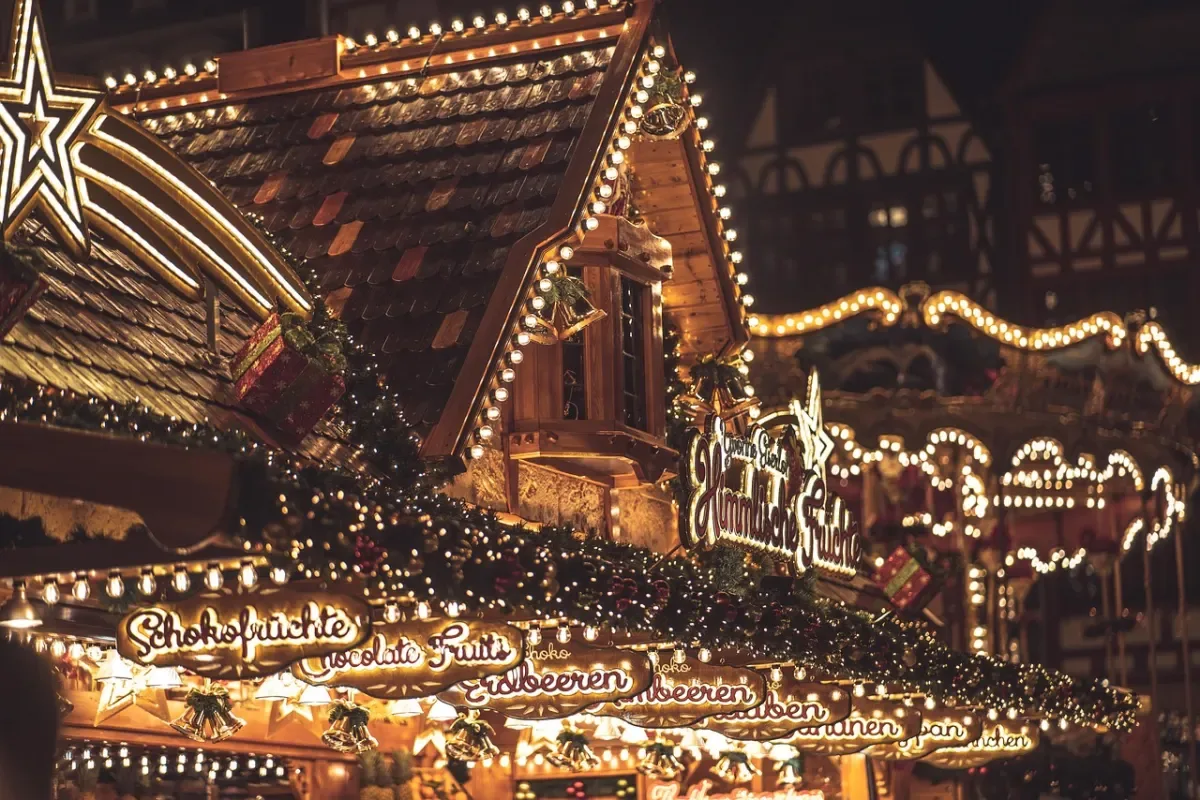
There is something truly magical about wandering through a European Christmas market on a crisp winter evening. The smell of roasted chestnuts, the glow of twinkling fairy lights, and the sound of carolers filling the air create an experience that no other holiday tradition can match. If you have been dreaming of a festive European getaway, this guide covers the best Christmas markets across the continent, complete with practical tips to make the most of your trip.
Why Visit European Christmas Markets?
European Christmas markets, known as Weihnachtsmarkt in Germany and Christkindlmarkt in Austria, date back centuries. These seasonal festivals transform city squares into winter wonderlands filled with handmade crafts, seasonal treats, and warm beverages. Whether you are a first time visitor or a seasoned market hopper, each city offers its own unique spin on the tradition.
Top Christmas Markets You Should Not Miss
1. Strasbourg, France: The Capital of Christmas
Strasbourg has held its famous Christkindelsmaerik since 1570, making it one of the oldest Christmas markets in Europe. Spread across multiple squares in the charming Alsatian old town, this market features over 300 wooden chalets selling ornaments, local delicacies, and artisan gifts. The towering Christmas tree on Place Kleber is a showstopper every year. Be sure to try the bredele, traditional Alsatian Christmas cookies, and pair them with a cup of warm mulled wine. If you are planning a broader trip through France, you can explore tours in Paris and combine your market adventure with a visit to the City of Light.
2. Vienna, Austria: Imperial Elegance Meets Holiday Cheer
Vienna transforms into a festive paradise from mid November through late December. The Rathausplatz Christmas Market in front of City Hall is the largest and most popular, featuring over 150 stalls and an ice skating rink. For something more intimate, head to the market at Schonbrunn Palace or the charming Spittelberg quarter. Do not miss the Punsch (Austrian mulled punch) and the Kartoffelpuffer (crispy potato pancakes).
- Best time to visit: Late November to December 23
- Budget tip: Many markets are free to enter, and you can collect reusable souvenir mugs
- Must try: Kaiserschmarrn (shredded pancakes) and Maroni (roasted chestnuts)
3. Nuremberg, Germany: The Christkindlesmarkt
Nuremberg is home to one of Germany most famous Christmas markets, the Christkindlesmarkt. Held in the main market square since the mid 16th century, it draws over two million visitors each year. The market is known for its strict quality standards, meaning everything sold must be handmade or locally produced. The Nuremberg Bratwurst, a small, thin sausage served three to a bun, is the signature snack. The market also features a special children area called the Kinderweihnacht.
4. Prague, Czech Republic: Affordable and Enchanting
Prague offers one of the most affordable Christmas market experiences in Europe. The main markets in Old Town Square and Wenceslas Square feature traditional Czech treats like trdelnik (chimney cake), roasted ham, and hot mead. The backdrop of the Gothic Tyn Church lit up at night creates an unforgettable atmosphere. Prague is also an excellent base for exploring more of Central Europe during the holiday season.
5. Cologne, Germany: Seven Markets in One City
Cologne takes Christmas seriously with seven distinct markets spread throughout the city. The most iconic is the market at Cologne Cathedral, where the massive Gothic church provides a stunning backdrop. Each market has its own personality, from the artsy Angel Market to the old fashioned Harbor Christmas Market. Try the Reibekuchen (potato fritters) with applesauce and wash them down with a glass of Kolsch beer.

Hidden Gem Markets Worth the Detour
Tallinn, Estonia
Tallinn medieval Old Town hosts a cozy market in Town Hall Square that feels like stepping into a fairy tale. It has been voted the best Christmas market in Europe multiple times. The setting is intimate and affordable, with handcrafted wool items and Estonian holiday treats.
Budapest, Hungary
The market at Vorosmarty Square in Budapest is a foodie dream. Hungarian specialties like langos (fried dough), chimney cakes, and goulash soup make this a culinary highlight. Thermal bath visits pair perfectly with a day of market browsing.
Bruges, Belgium
Bruges transforms its medieval canal lined streets into a winter wonderland. The market on Markt Square features an ice skating rink surrounded by stalls selling Belgian chocolates, waffles, and warm jenever (juniper spirit). It is one of the most romantic Christmas market destinations in Europe.
Practical Tips for Visiting Christmas Markets
When to Go
Most European Christmas markets open in late November and run through December 23 or 24. Some markets, like those in Strasbourg, start as early as November 22. Weekday visits are less crowded, while weekends bring larger crowds and livelier atmospheres.
What to Budget
A typical market visit costs between 20 and 50 euros per person, depending on how much you eat and shop. Here is a rough breakdown:
- Mulled wine: 3 to 5 euros per cup (plus a 2 to 3 euro mug deposit)
- Street food: 4 to 8 euros per dish
- Handcrafted gifts: 5 to 30 euros depending on the item
- Admission: Free at most markets
What to Wear
Temperatures can drop below freezing in many market cities. Dress in warm layers, wear insulated boots, and bring a scarf and gloves. Hand warmers are a lifesaver for long evenings outdoors.
How to Get Around
Many European cities have excellent public transportation. Consider buying a multi day transit pass. If visiting multiple cities, budget airlines and trains connect most major market destinations affordably. You can also find the best London tours to combine a Christmas market trip with a visit to the UK capital.
Combining Markets with City Breaks
One of the best ways to experience Christmas markets is to combine them with a broader European city break. For example, you could fly into Paris, take a train to Strasbourg, continue to Cologne, and finish in Brussels. This route covers some of the continent most spectacular markets while letting you experience multiple cultures and cuisines.

If you want guided experiences in any of these cities, you can book experiences in Paris or explore options for walking tours and food tastings that make your trip even more memorable.
Markets for Families
Many Christmas markets cater to families with dedicated children areas. Nuremberg Kinderweihnacht features a Ferris wheel, carousel, and craft stations. Vienna Rathausplatz market has free children workshops, and Prague markets often have petting zoos and puppet shows.
Final Thoughts
European Christmas markets are more than just shopping destinations. They are cultural experiences that bring together centuries of tradition, incredible food, and the warmth of community celebration. Whether you choose a grand market in Vienna or a cozy hidden gem in Tallinn, a festive European trip is one you will remember for years. Start planning early, book accommodations in advance (prices rise significantly in December), and prepare to fall in love with the holiday spirit of Europe.
What to Eat and Drink at European Christmas Markets
No Christmas market visit is complete without warming your hands around a mug of Gluhwein, the spiced mulled wine served across Germany and Austria. In France, look for vin chaud with orange peel and cinnamon, while the Czech Republic offers svarene vino. Pair your drink with a bratwurst in Nuremberg, chimney cake (trdelnik) in Prague, or roasted chestnuts in Vienna. Belgium's markets serve fresh waffles loaded with chocolate sauce and whipped cream. Dutch markets offer poffertjes, tiny fluffy pancakes dusted with powdered sugar. In Scandinavia, warm up with glogg (Nordic mulled wine) and pepparkakor (ginger snap cookies). Budget roughly 15 to 25 euros per market visit for food and drinks.
Pro Tips for Market Hopping Across Europe
Book train tickets early to save up to 60% on routes between major market cities like Vienna, Prague, and Munich. Most markets open in late November and run through December 23rd, with a few extending to New Year's. Weekday evenings tend to be less crowded than weekends. Bring a reusable shopping bag for gifts and keep small bills handy, as many vendors prefer cash. Layer your clothing because you will be walking outdoors for hours in cold temperatures. Consider visiting smaller towns like Rothenburg ob der Tauber in Germany or Colmar in France for a more intimate, less touristy experience.
Budget Breakdown for a Christmas Market Trip
- Flights: $300 to $600 round trip from North America (book by September for best prices)
- Accommodation: $80 to $150 per night for a central hotel or apartment
- Food and drinks at markets: $15 to $25 per market visit
- Gifts and souvenirs: $50 to $150 depending on shopping habits
- Train travel between cities: $20 to $60 per route with advance booking
For more European trip planning on a budget, check out our guide on how to travel Europe on $50 a day. And if you want to combine your market trip with some culinary exploration, our London food markets guide is the perfect add-on. Looking to ring in the new year after your Christmas trip? See our New Year travel destinations for inspiration.
Best Markets by Country
Germany leads the way with Nuremberg, Dresden, and Cologne hosting the most famous markets. Austria's Vienna and Salzburg markets feel like stepping into a postcard, with baroque architecture forming the perfect backdrop. Strasbourg in France claims the title of oldest Christmas market in the country, dating back to 1570. The Czech Republic's Prague market fills Old Town Square with traditional wooden stalls selling hand-crafted ornaments and locally made honey wine.



Comments (0)
Leave a Comment