
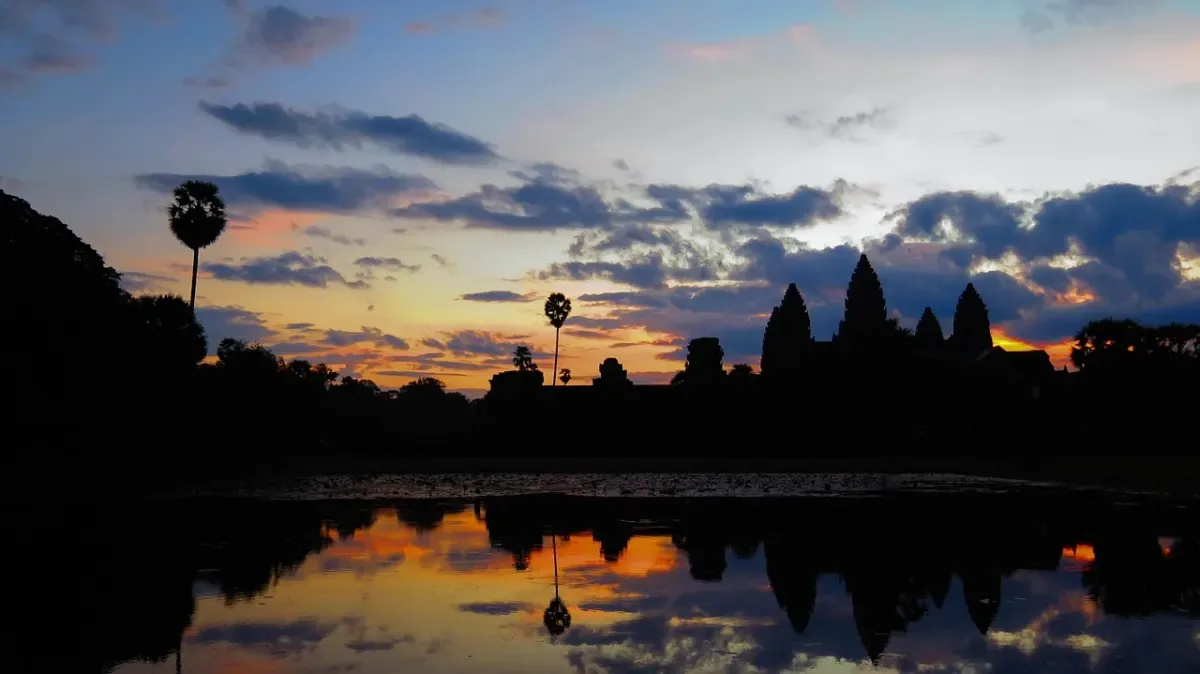
Rising from the jungles of northwestern Cambodia, Angkor Wat is one of the most awe inspiring archaeological sites on Earth. This vast temple complex, built in the 12th century by the Khmer Empire, is the largest religious monument in the world and a UNESCO World Heritage Site that draws millions of visitors each year.
But Angkor Wat is just one of hundreds of temples scattered across the Angkor Archaeological Park near the city of Siem Reap. From the mysterious tree covered ruins of Ta Prohm to the carved faces of the Bayon, exploring this ancient kingdom is a journey through history, art and spirituality that will leave you speechless.
Understanding the Angkor Temple Complex
The Angkor Archaeological Park covers over 400 square kilometers and contains the remains of several capitals of the Khmer Empire, dating from the 9th to the 15th century. While most visitors focus on the main temples, the park contains over 1,000 structures ranging from grand stone temples to smaller brick sanctuaries.
The temples were built as Hindu and Buddhist religious sites, and their architecture reflects an extraordinary blend of spiritual symbolism and artistic achievement. The bas reliefs at Angkor Wat alone stretch over 800 meters and depict scenes from Hindu mythology, historical battles and everyday Khmer life.
The Must See Temples
Angkor Wat
The crown jewel of the complex, Angkor Wat is the world is largest religious structure. Originally dedicated to the Hindu god Vishnu, it was later converted to a Buddhist temple. The five iconic towers represent Mount Meru, the home of the gods in Hindu cosmology.
Tips for visiting Angkor Wat:
- Arrive before 5:30 AM for sunrise, which is reflected in the moat surrounding the temple
- The best sunrise spot is the left reflecting pool (facing the temple)
- Explore the inner galleries and upper level after the sunrise crowds thin out
- The western gallery features the most detailed bas reliefs, including the Churning of the Ocean of Milk
- Budget at least 2 to 3 hours for a thorough visit
Bayon Temple at Angkor Thom
The Bayon is famous for its 216 massive stone faces carved into 54 towers, each wearing a serene and enigmatic smile. Built by King Jayavarman VII in the late 12th century, this Buddhist temple creates an otherworldly atmosphere that is unlike anything else in the park.
Visit the Bayon early in the morning or late in the afternoon for the best light. The faces are most dramatic when side lit by the sun, creating deep shadows and striking contrasts. The outer gallery features remarkable bas reliefs depicting both mythological scenes and everyday life in the Khmer Empire.
Ta Prohm: The Jungle Temple
Ta Prohm is perhaps the most photogenic temple in Angkor. Unlike other temples that have been extensively restored, Ta Prohm was deliberately left largely as it was found, with massive silk cotton and strangler fig trees growing over and through the stone structures. It gained international fame as a filming location for the movie Tomb Raider.
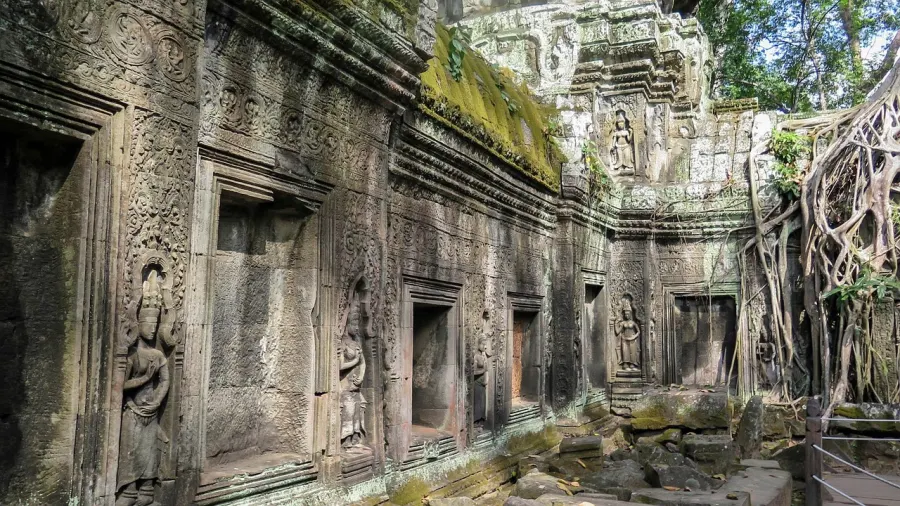
The interplay of nature and architecture here is extraordinary. Giant roots snake over doorways, trees grow from the tops of towers and moss covered stones lie tumbled in atmospheric piles. It feels like discovering a lost civilization, which is essentially what happened when French explorers encountered these ruins in the 19th century.
Preah Khan
A sprawling temple complex that served as a Buddhist university, Preah Khan is less visited than the big three but equally impressive. Its long corridors, intricate carvings and atmospheric tree growth make it a peaceful alternative to the more crowded sites. Plan to spend about an hour exploring.
Banteay Srei
Located about 25 kilometers from the main temple group, Banteay Srei is famous for having the most intricate and detailed stone carvings in all of Angkor. Built from pink sandstone, which allows for finer detail than the gray sandstone used elsewhere, its decorative lintels and pediments are true works of art. The journey takes about 45 minutes each way but is absolutely worth it.
Planning Your Temple Visit
Ticket Options and Prices
Angkor passes are available in three options:
- 1 day pass: $37 USD
- 3 day pass: $62 USD (valid for any 3 days within a 10 day period)
- 7 day pass: $72 USD (valid for any 7 days within a month)
The 3 day pass offers the best value for most visitors. It allows you to explore at a comfortable pace without rushing through the major temples. Tickets are purchased at the official ticket office near the park entrance, where your photo is taken and printed on the pass.
Suggested Itineraries
One Day (if you are short on time):
- Sunrise at Angkor Wat
- Angkor Thom and the Bayon
- Ta Prohm
- Return to Angkor Wat for afternoon exploration
Three Days (recommended):
- Day 1: Small Circuit, including Angkor Wat, Angkor Thom, Ta Prohm and Ta Keo
- Day 2: Grand Circuit, including Preah Khan, Neak Pean, East Mebon and Pre Rup (great for sunset)
- Day 3: Banteay Srei, Beng Mealea (a remote jungle temple) and Tonle Sap Lake
To get the most from your temple exploration, explore guided tours and experiences in Siem Reap that include expert guides who bring the history and symbolism to life.
Getting Around the Temples
The most popular way to explore Angkor is by tuk tuk. A tuk tuk driver for the day costs $15 to $20 USD and will take you between temples, wait while you explore and offer suggestions on timing. Many drivers are knowledgeable about the temples and can act as informal guides.
Other options include:
- Bicycle: A great option for the small circuit ($2 to $5 per day rental). The terrain is flat but hot, so start early.
- Electric bike or scooter: Available for rent in Siem Reap ($8 to $15 per day)
- Private car with guide: The most comfortable option ($50 to $80 per day including guide)
Practical Tips for Your Visit
What to Wear
A respectful dress code is enforced at the main temples. Shoulders and knees must be covered. Bring lightweight, breathable clothing that covers your arms and legs. A scarf or shawl is useful for women as an easy cover up option.
Dealing with the Heat
Cambodia is hot. Temperatures regularly exceed 35 degrees Celsius (95 degrees Fahrenheit), and humidity can be intense. Essential items include:
- A reusable water bottle (bring at least 2 liters per day)
- Sunscreen and a hat
- A small towel for wiping sweat
- Comfortable walking shoes with good grip
Best Time to Visit
The best months to visit Angkor are November through February, when temperatures are cooler and rainfall is minimal. March through May is extremely hot. The rainy season (June through October) brings afternoon downpours but also lush green scenery and fewer crowds.
Exploring Siem Reap Beyond the Temples
Siem Reap itself is a vibrant, welcoming city with plenty to offer beyond the temples:
- Pub Street: The main nightlife area with bars, restaurants and street food
- Old Market (Psar Chas): A bustling market for souvenirs, spices and local goods
- Cambodian cooking classes: Learn to make amok, lok lak and other Khmer dishes
- Tonle Sap Lake: Visit floating villages and see daily life on Southeast Asia is largest freshwater lake
- Phare Cambodian Circus: An incredible live performance combining acrobatics, theater and traditional music
Accommodation in Siem Reap is incredibly affordable. Budget guesthouses start at $10 to $15 per night, mid range hotels with pools cost $30 to $60, and luxury resorts are available from $100 to $300 per night. The city is also known for its affordable spa services, with hour long massages starting at just $5 to $10.
Final Thoughts
Angkor Wat is one of those rare places that lives up to every expectation. The scale, the artistry and the atmosphere of these ancient temples create an experience that is profoundly moving. Whether you are watching the sun rise over the five towers, tracing your fingers along a 900 year old bas relief or standing in the root embrace of Ta Prohm, Angkor connects you to a civilization that was, at its peak, one of the most advanced on Earth.
Take your time, hire a good guide, respect the sacred spaces and let the magic of Angkor wash over you. It is a place you will carry in your memory forever.
For guided temple tours and cultural experiences in Siem Reap, explore Angkor Wat tours on Viator.
What to Wear When Visiting Angkor Wat
Dress code matters at Angkor Wat. Both men and women need to cover their shoulders and knees before entering the main temple complex. Lightweight linen pants or a long skirt paired with a breathable cotton top works perfectly in the Cambodian heat. Wear comfortable walking shoes with good grip, as the stone steps can be slippery, especially after rain. A wide-brimmed hat and sunglasses will protect you from the intense midday sun. Many visitors also carry a light scarf that doubles as a cover-up when needed.
Responsible Tourism at Angkor
Preserving these ancient structures is a shared responsibility. Stay on marked paths, never climb restricted walls, and avoid touching the intricate bas-reliefs, as oils from skin accelerate erosion. Support local communities by hiring certified Khmer guides who share authentic stories passed down through generations. Consider visiting during the green season (June to October) when crowds thin out and the moat reflects lush greenery. If you are planning more temple visits in the region, check out our guide to exploring temples and street food in Bangkok for another unforgettable cultural experience. For broader Southeast Asia planning, our 30-day backpacking itinerary covers the best route through the region.

Comments (0)
Leave a Comment